MATS mentors are advancing the frontiers of AI alignment, transparency, and security
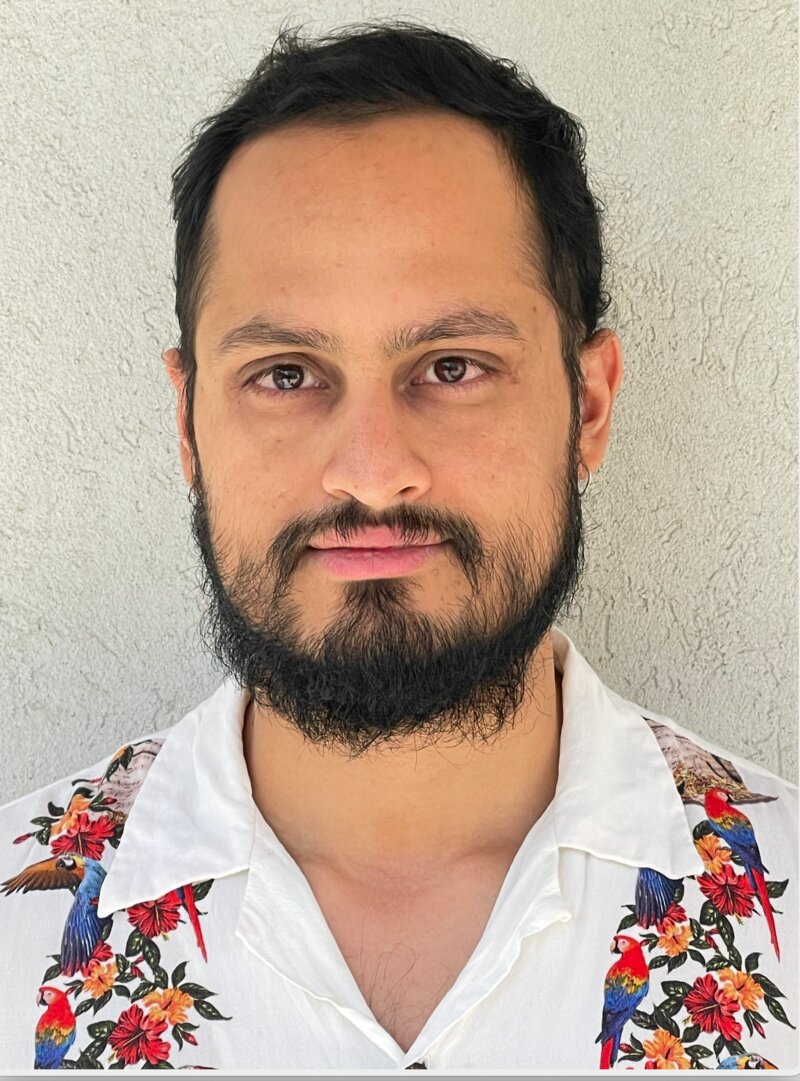
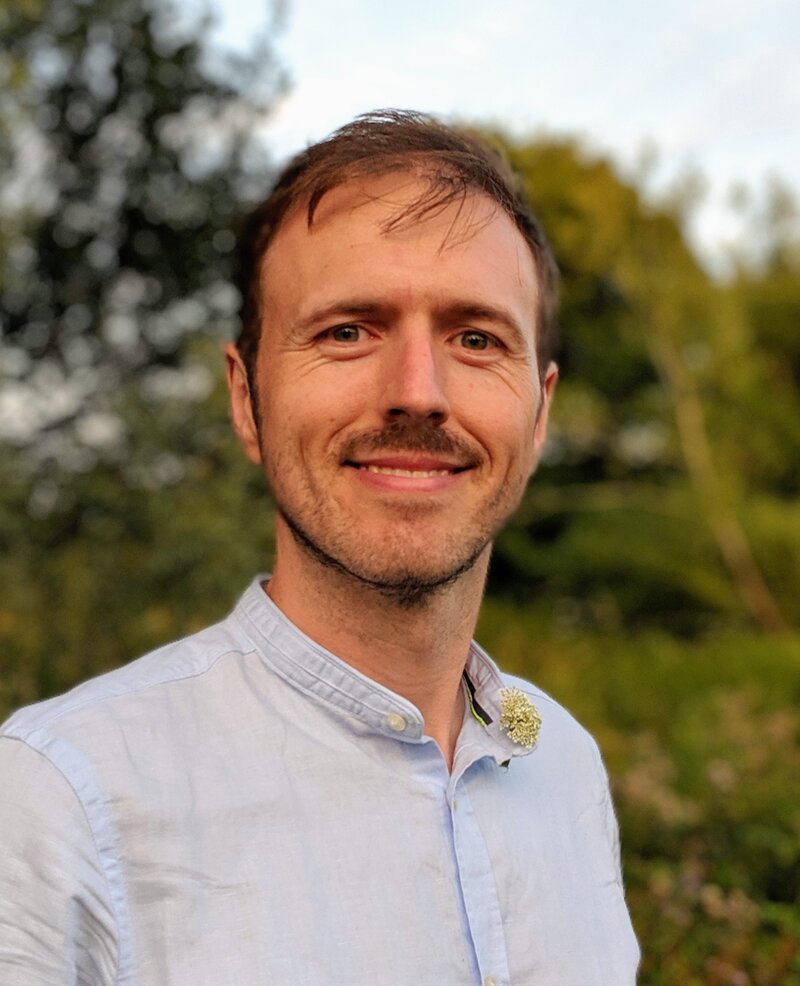
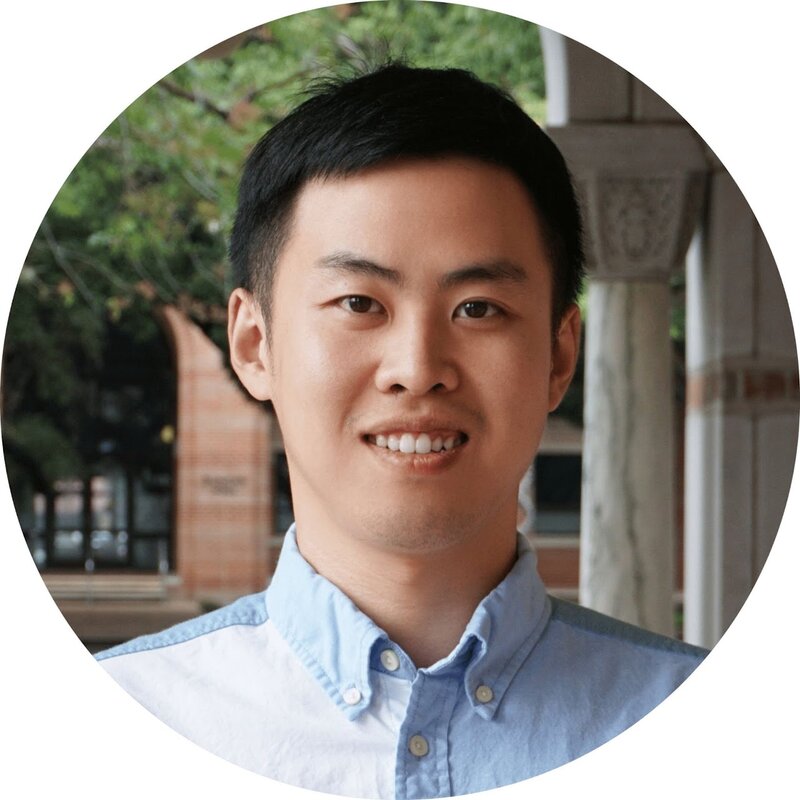

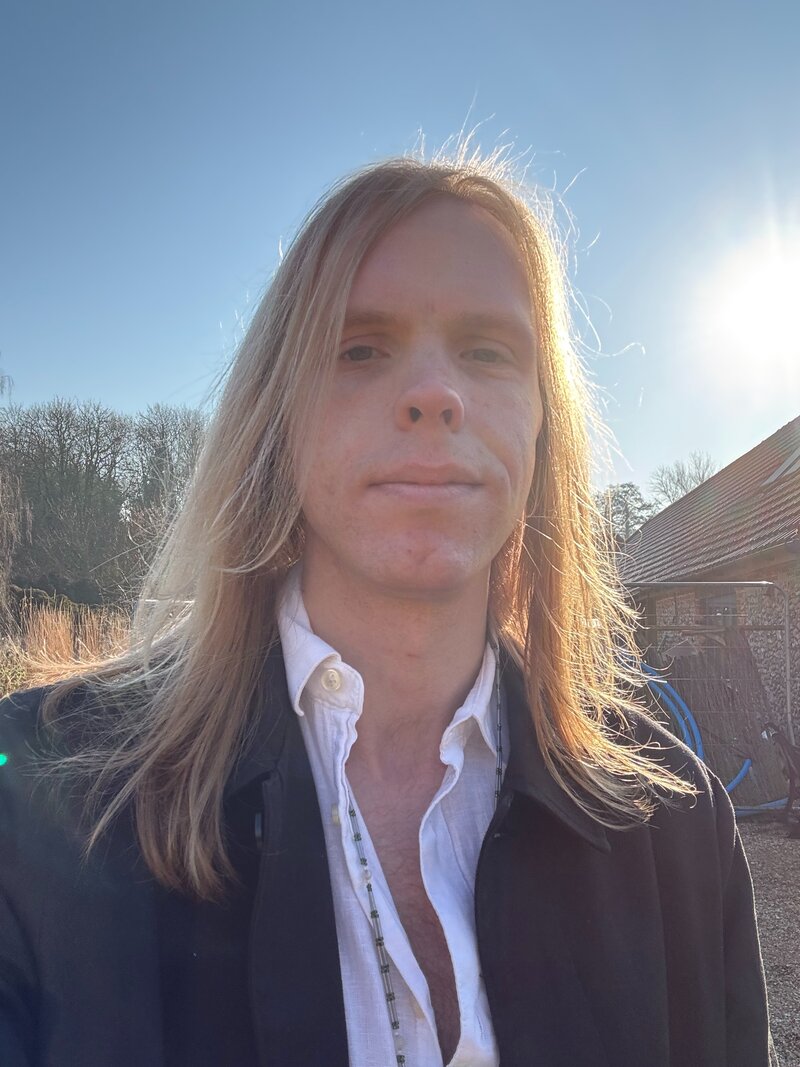
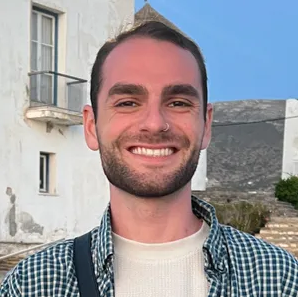
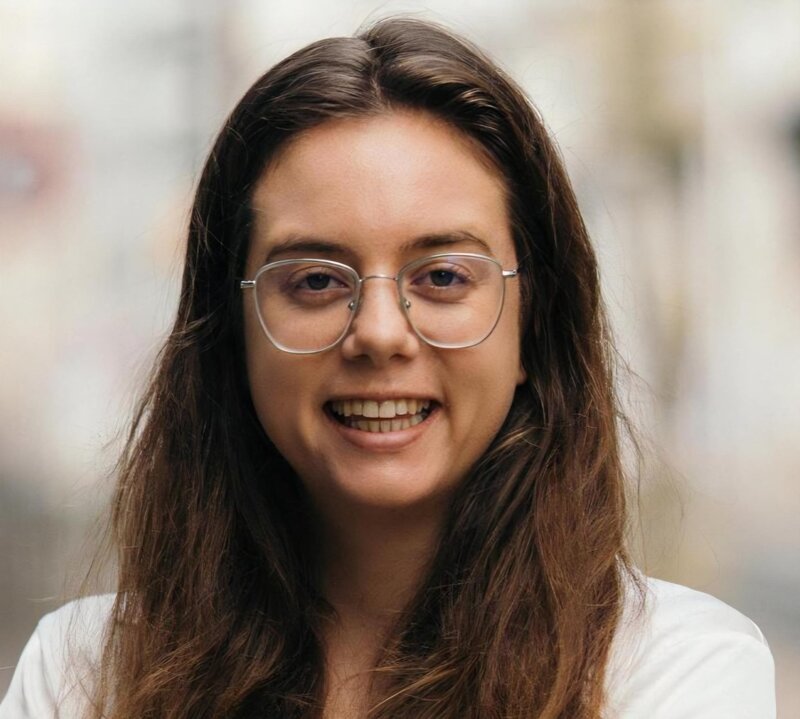
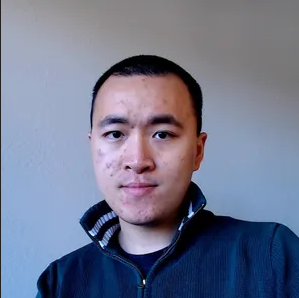

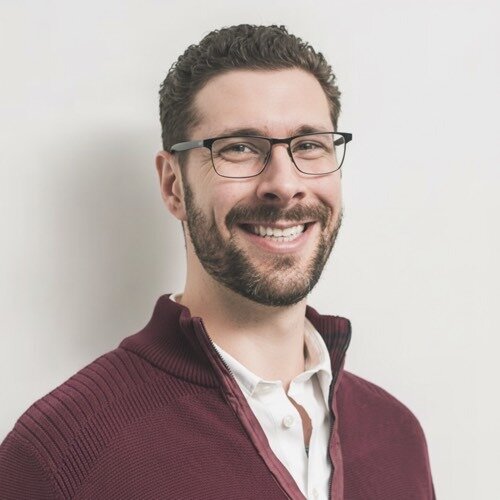
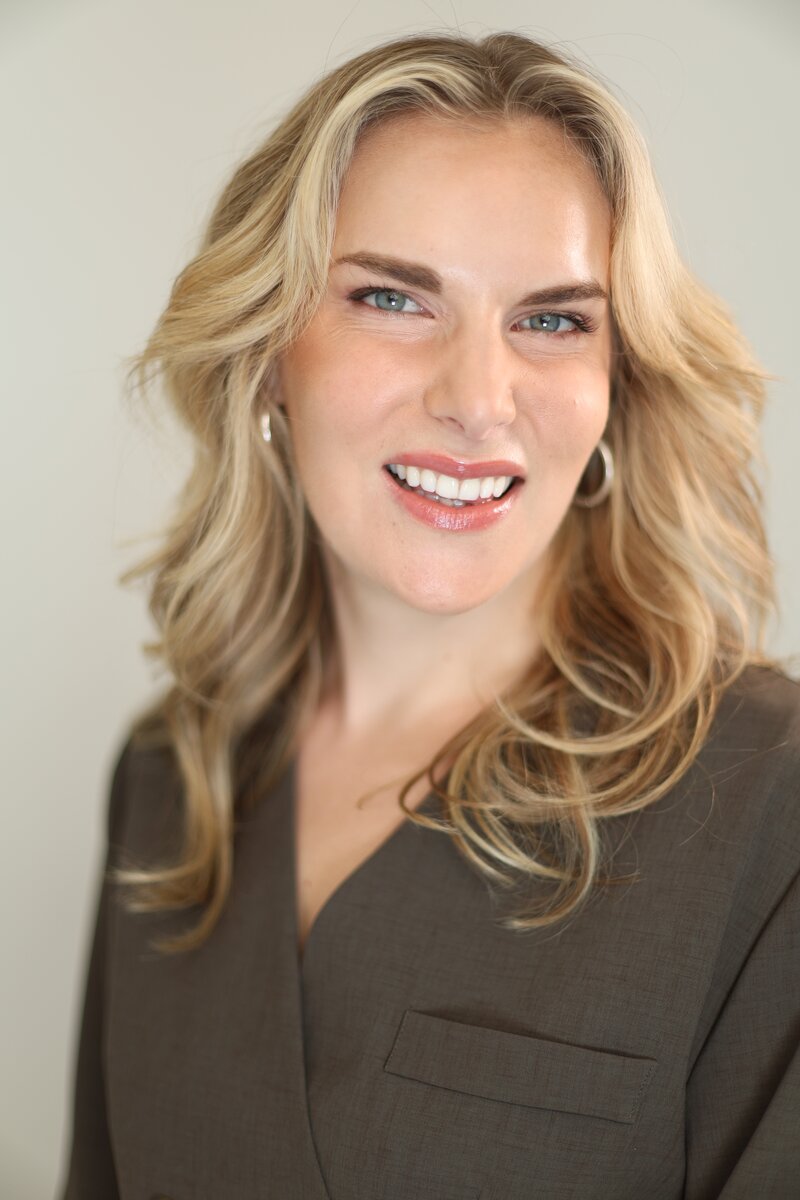
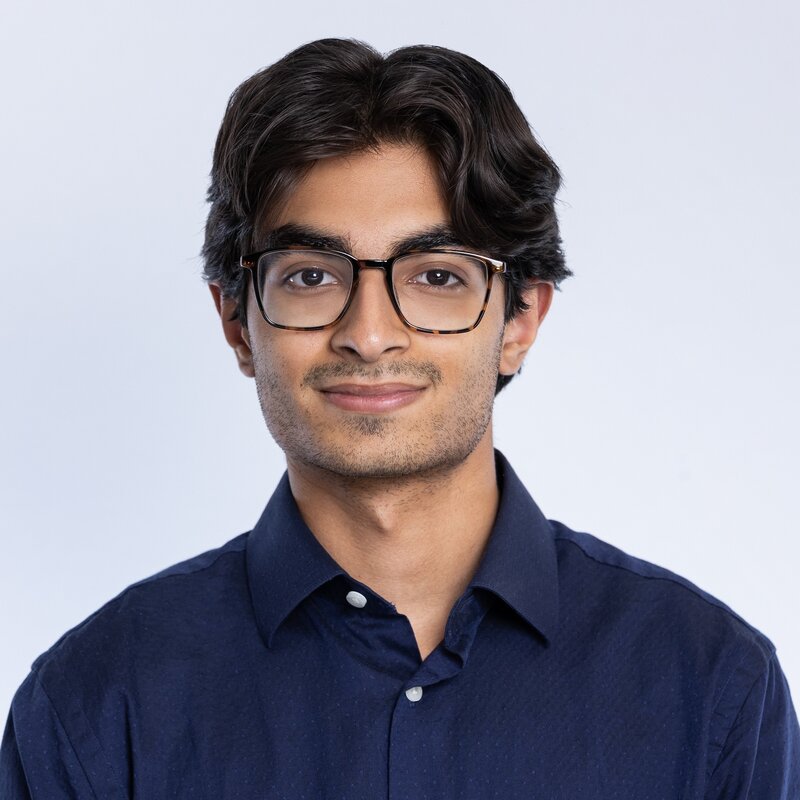
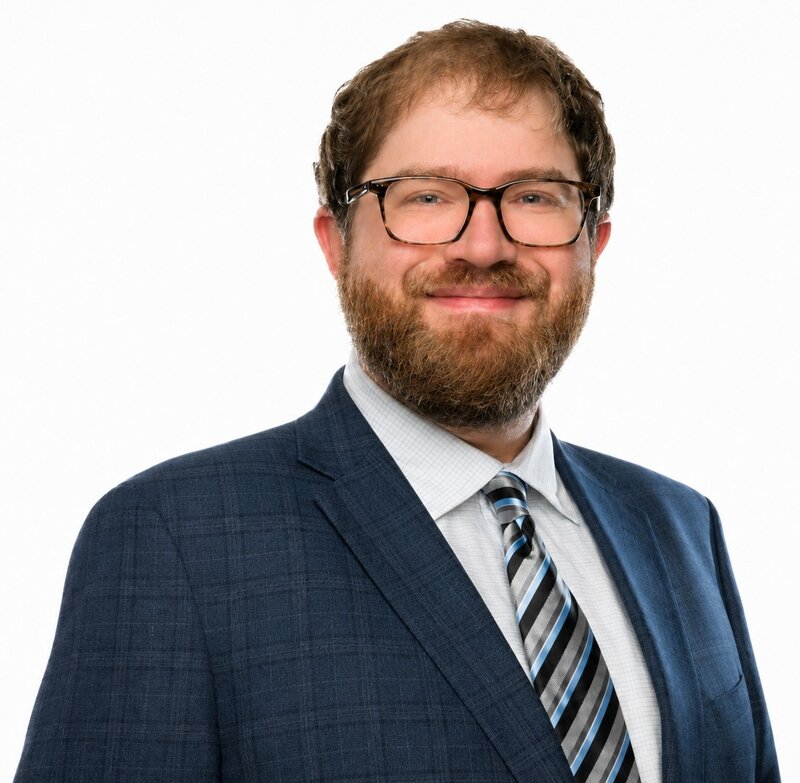
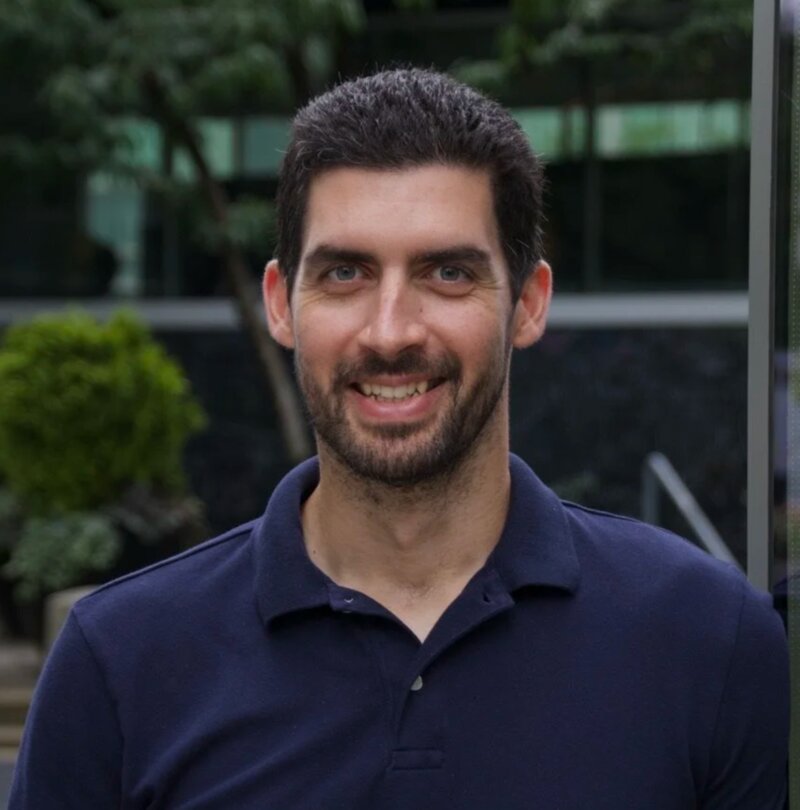
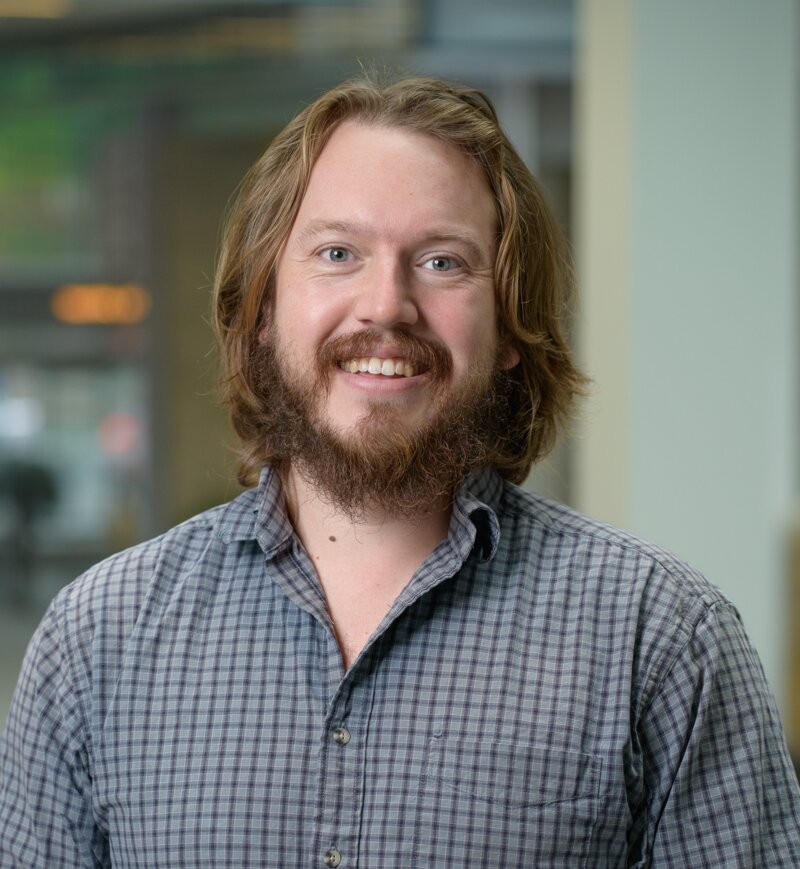
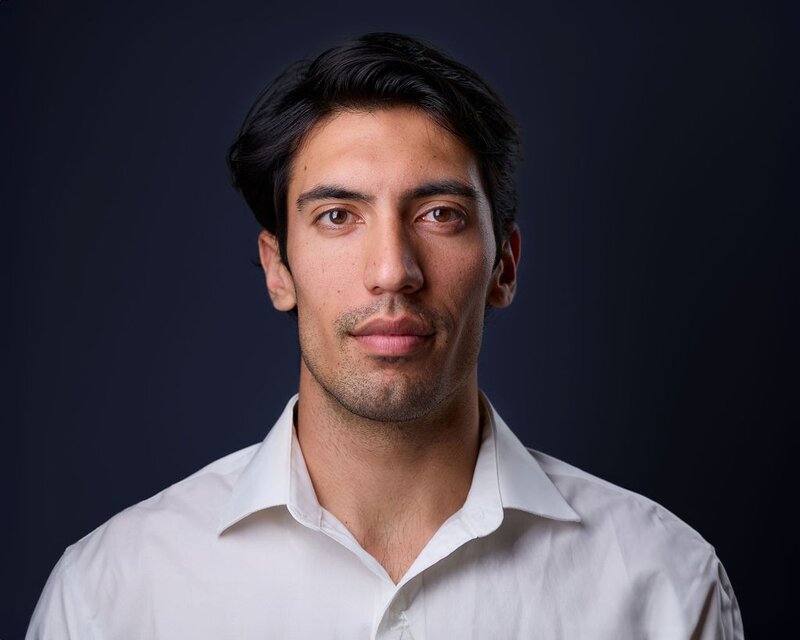
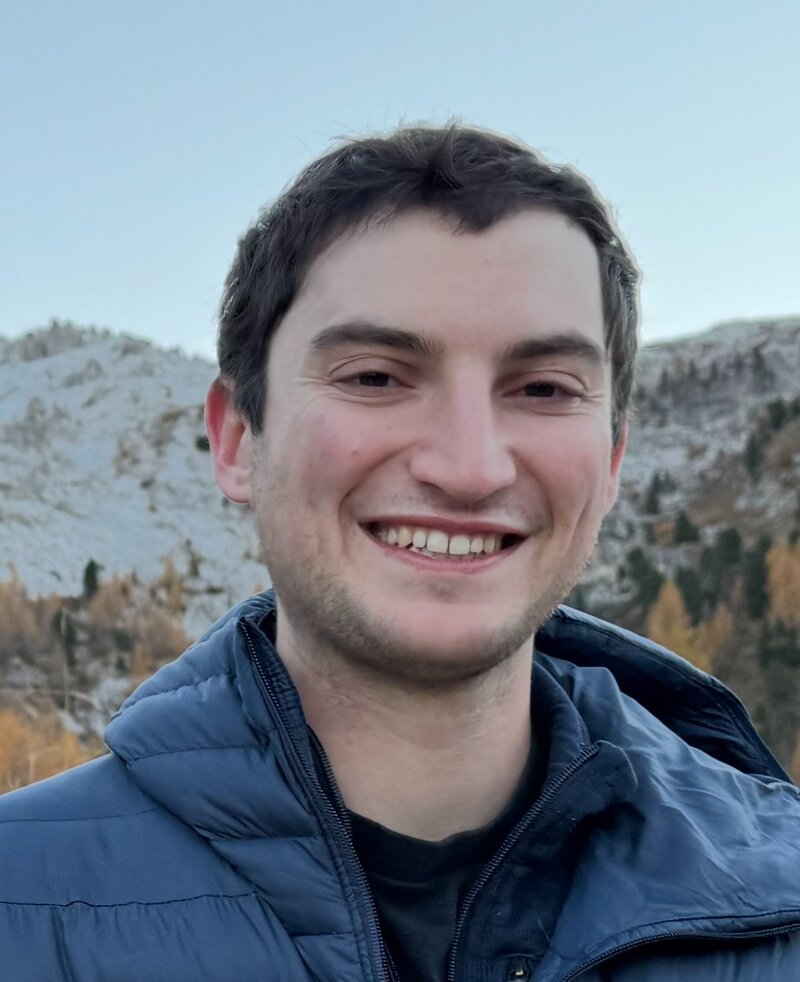
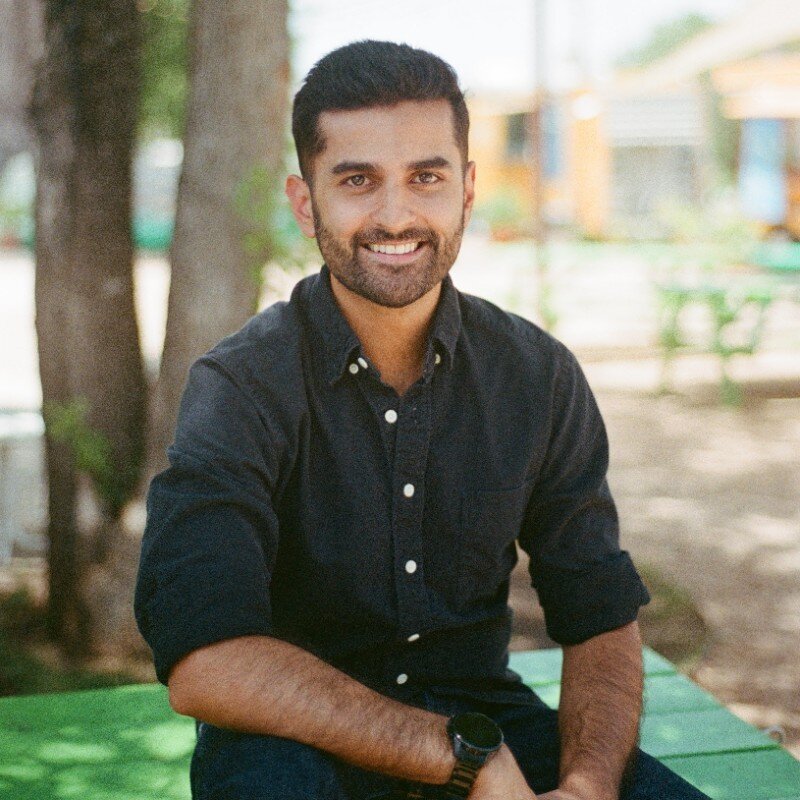
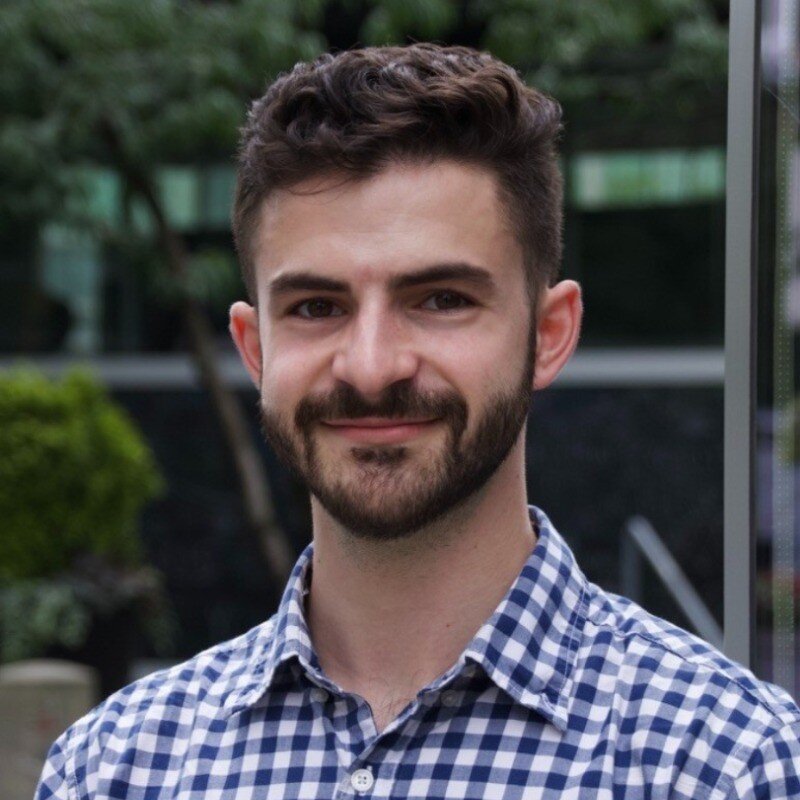
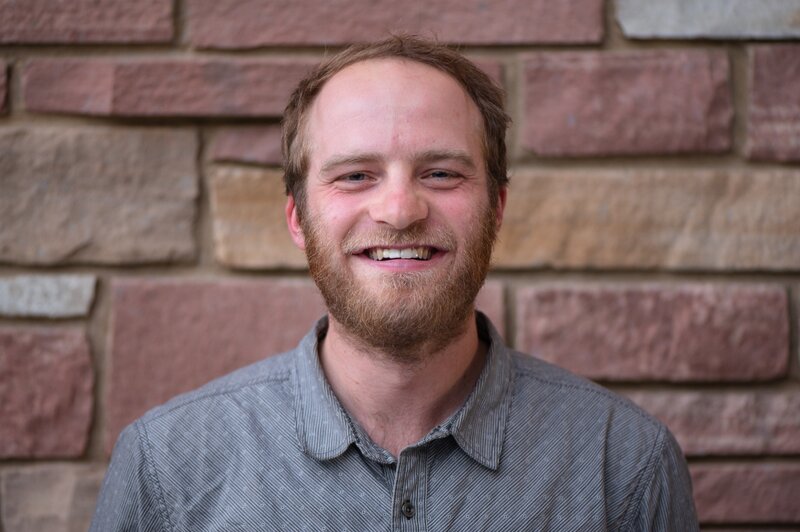
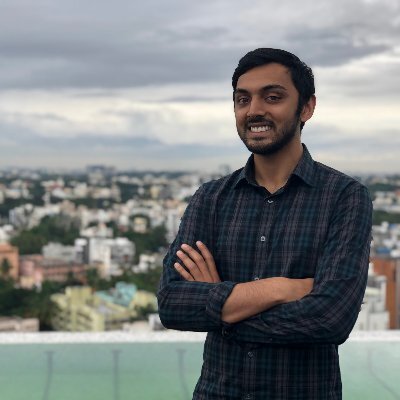
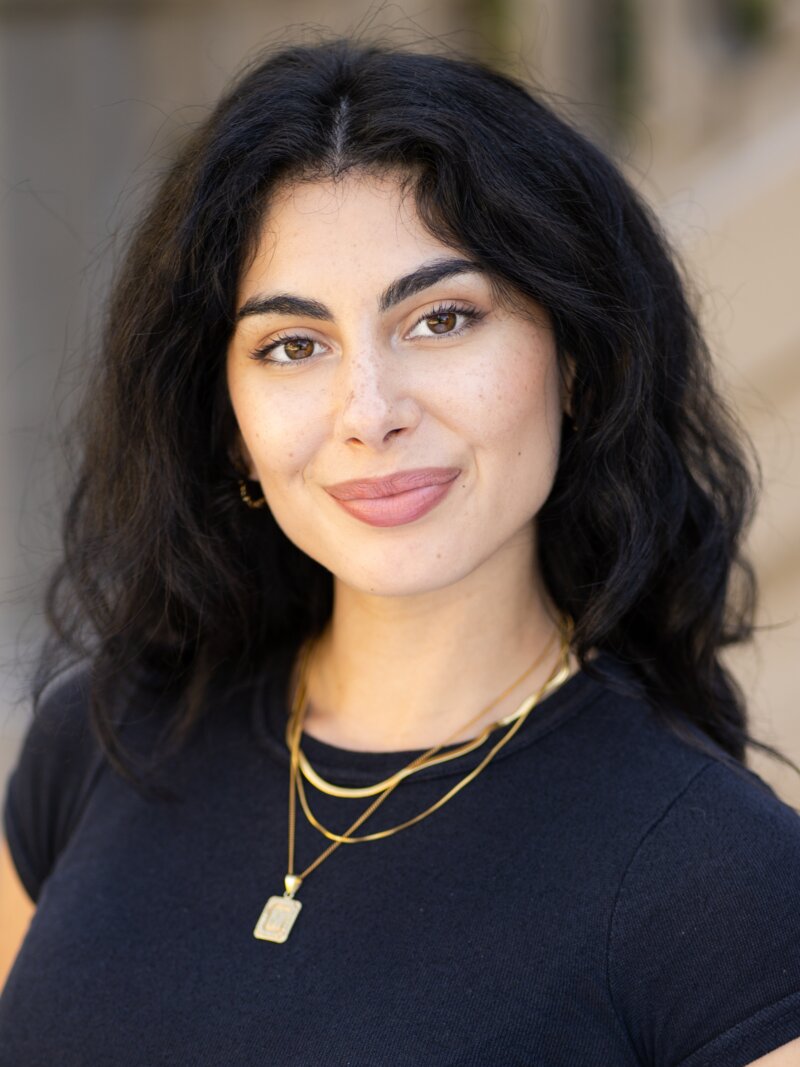
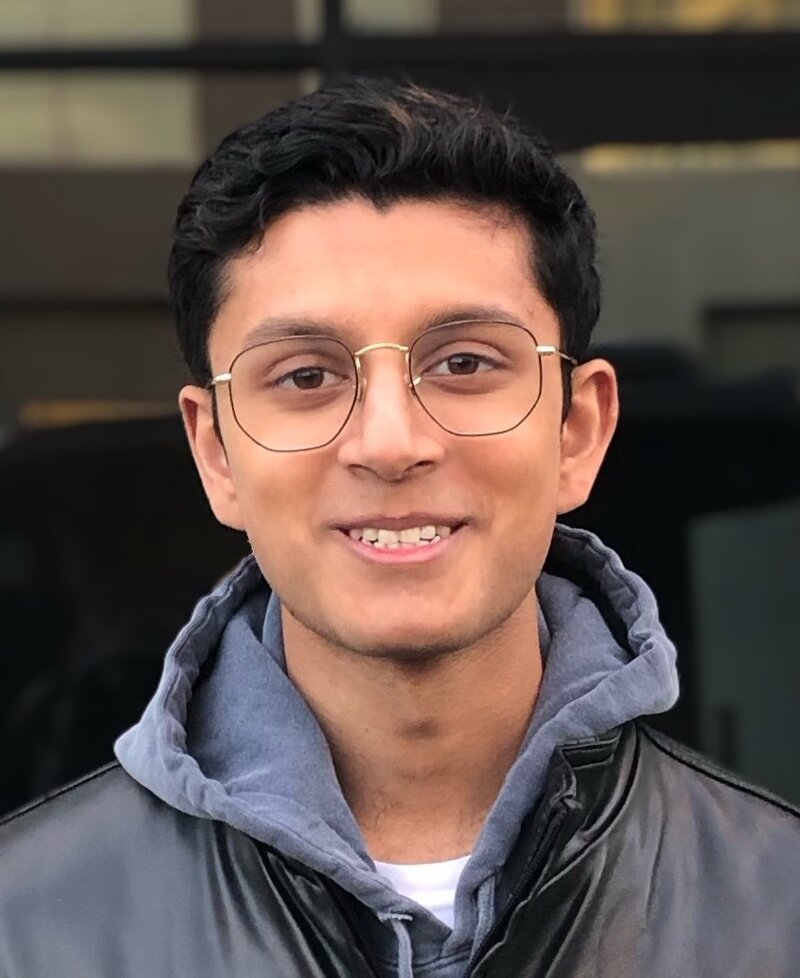
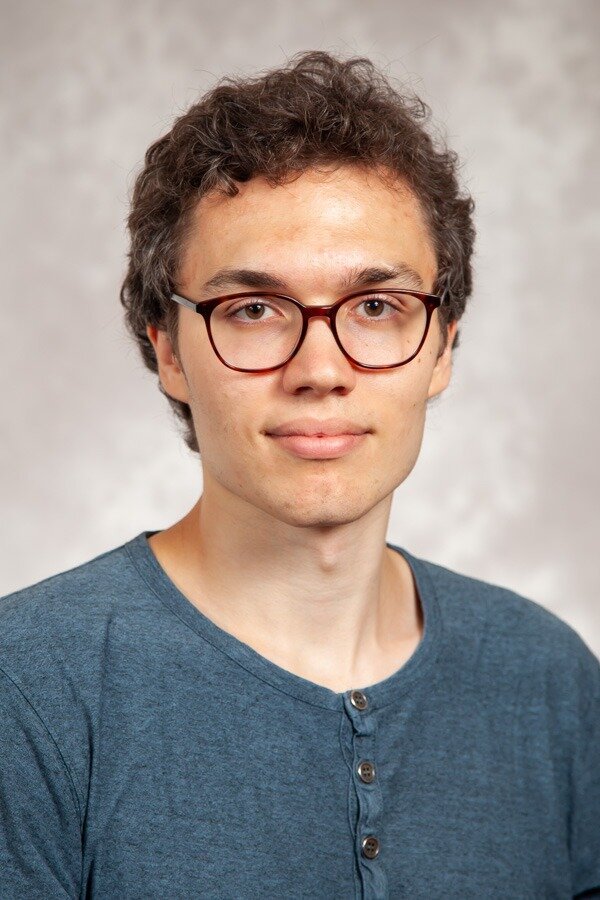

Kyle works on model welfare at Anthropic. He previously co-founded Eleos AI Research, Telis Bioscience, and Alvea.
Julian leads the diffuse control team at Redwood Research.
Alex is a researcher at Anthropic. He is interested in developing principled methods to induce safety-relevant structure in models. Examples include gradient routing to localize learning updates in models and distillation for robust unlearning.
Previously, Alex conducted applied research in reinforcement learning at Riot Games AI and Amazon. He earned a PhD in Statistics from North Carolina State University, where he was advised by Eric Laber.
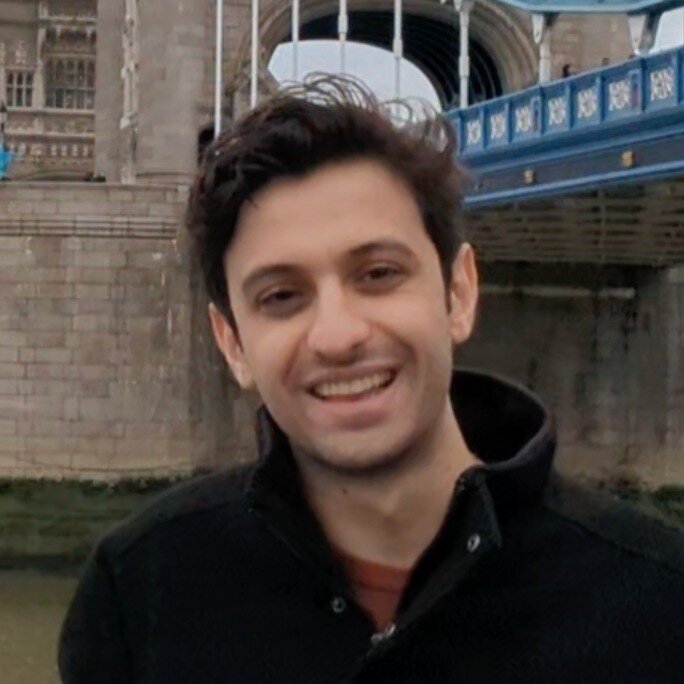
I work at the UK AI Security Institute. In the past, I’ve done research in high-performance computing, language model pretraining, interpretability, and hardware enabled governance.
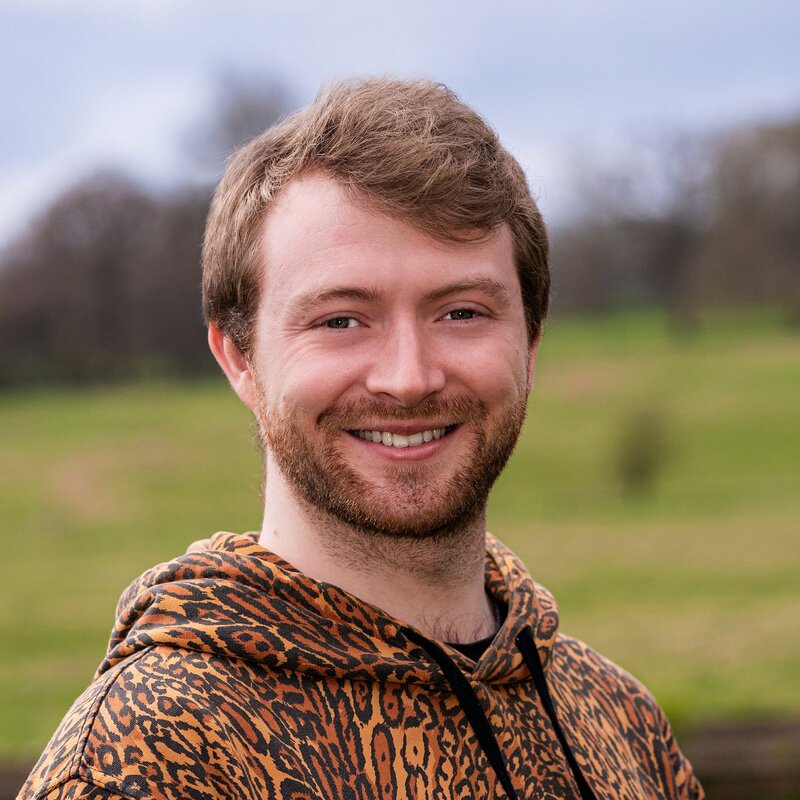
Lee Sharkey is a Principal Investigator at Goodfire.
His team has focused on improved interpretability methods, including parameter decomposition methods such as Attribution-based Parameter Decomposition and Stochastic Parameter Decomposition and adVersarial Parameter Decomposition.
Previously, Lee was Chief Strategy Officer and cofounder of Apollo Research, and a Research Engineer at Conjecture, where he worked on sparse autoencoders as a solution to representational superposition.
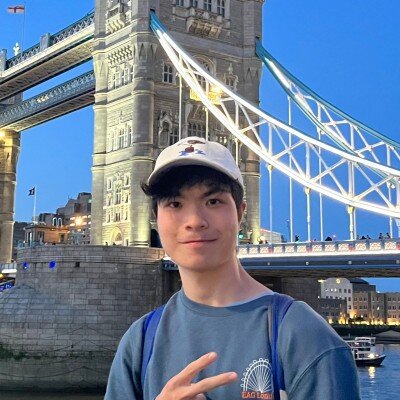
Cody is a member of technical staff at Redwood Research working on AI security.
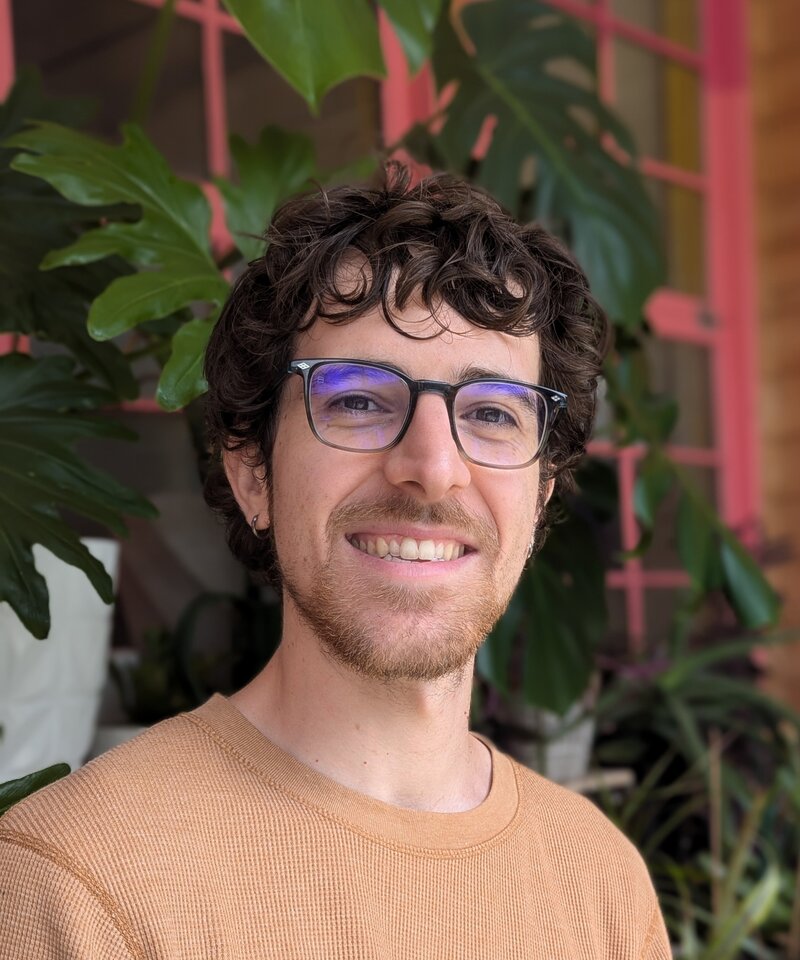
Micah is a researcher on OpenAI’s safety team interested in AI deception, scalable oversight, and monitorability. He is on leave from a UC Berkeley PhD focused on AI alignment with influenceable humans, AI manipulation from RL training, and recommender-system effects.
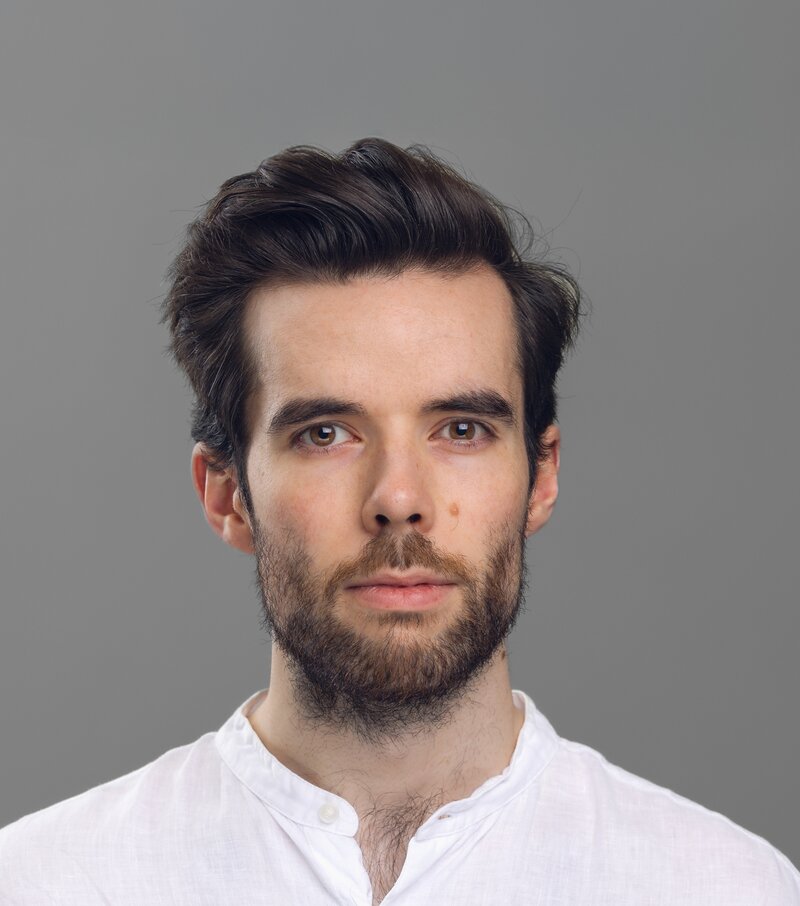
Robert is a research scientist and the acting lead of the alignment red-teaming sub-team at UK AISI. This team's focus is on stress-testing model alignment to detect and understand model propensities relevant to loss-of-control risks. Before that, he's most recently worked on misuse research, focusing on evaluations of safeguards against misuse and mitigations for misuse risk, particularly in open-weight systems. He graduated from his PhD from University College London on generalisation in LLM fine-tuning and RL agents in January 2025.
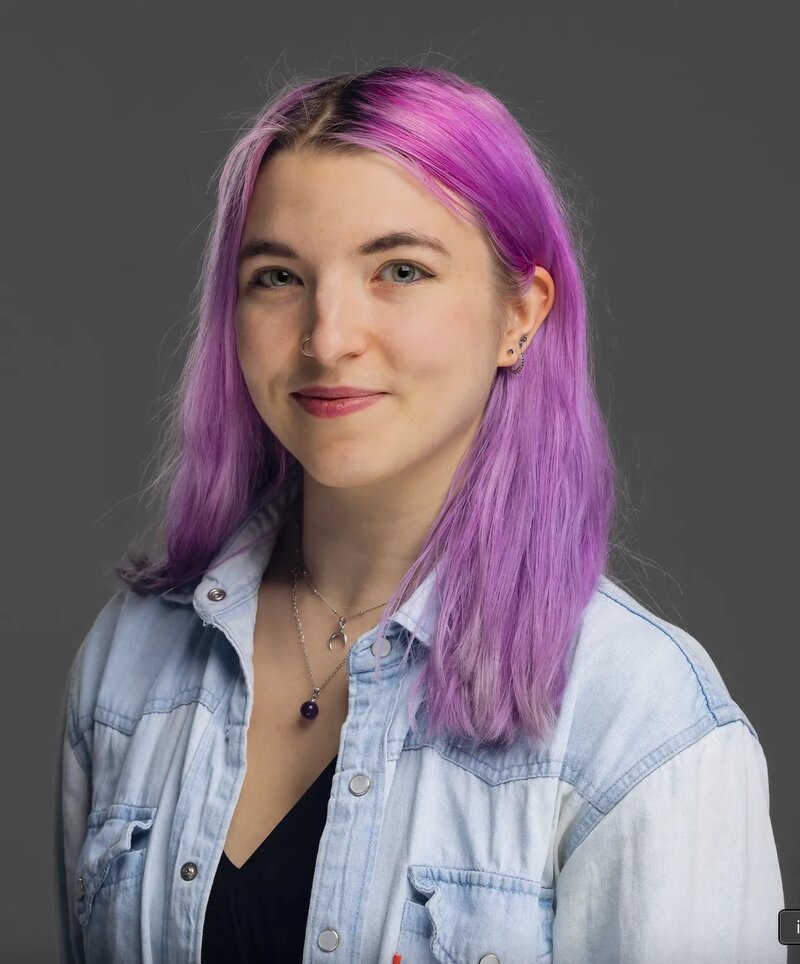
Alex Souly is a researcher on the Red Team at the UK AI Security Institute, where she works on the safety and security of frontier LLMs. She has contributed to pre-deployment evaluations and red-teaming of misuse safeguards and alignment (see Anthropic and OpenAI blogpost), and worked on open source evals like StrongReject and AgentHarm. Previously, she studied Maths at Cambridge and Machine Learning at UCL as part of UCL Dark lab, interned at CHAI, and in another life worked as a SWE at Microsoft.
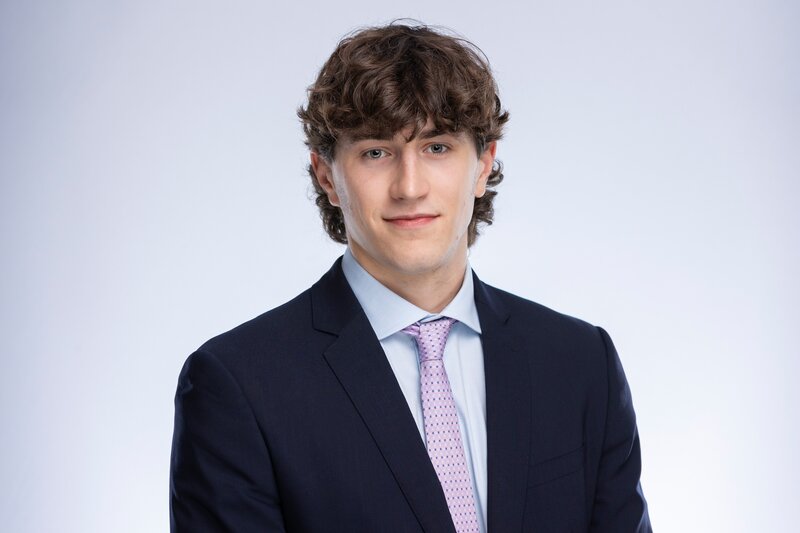
Romeo is working on forecasting detailed AI scenarios and developing policy recommendations with the AI Futures Project. He focuses primarily on compute and security forecasting. Previously he was an IAPS Policy Fellow and graduated with a concurrent master's in Computer Science at Harvard with a systems and hardware focus.