MATS mentors are advancing the frontiers of AI alignment, transparency, and security
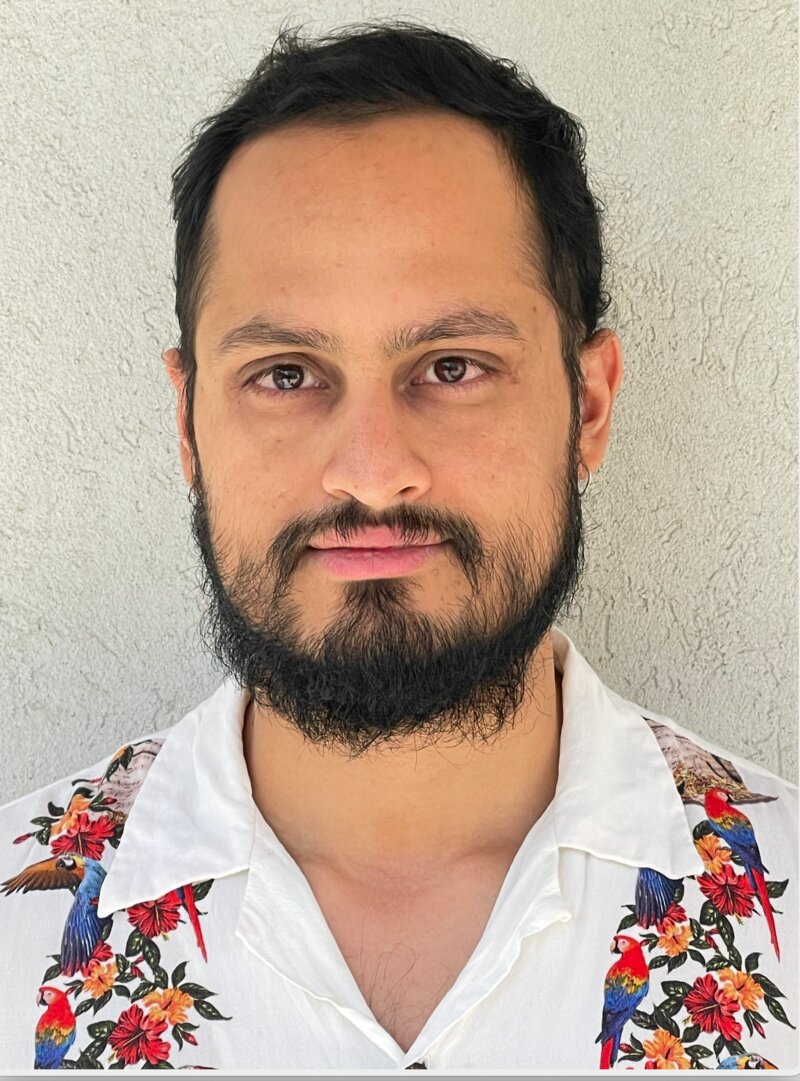
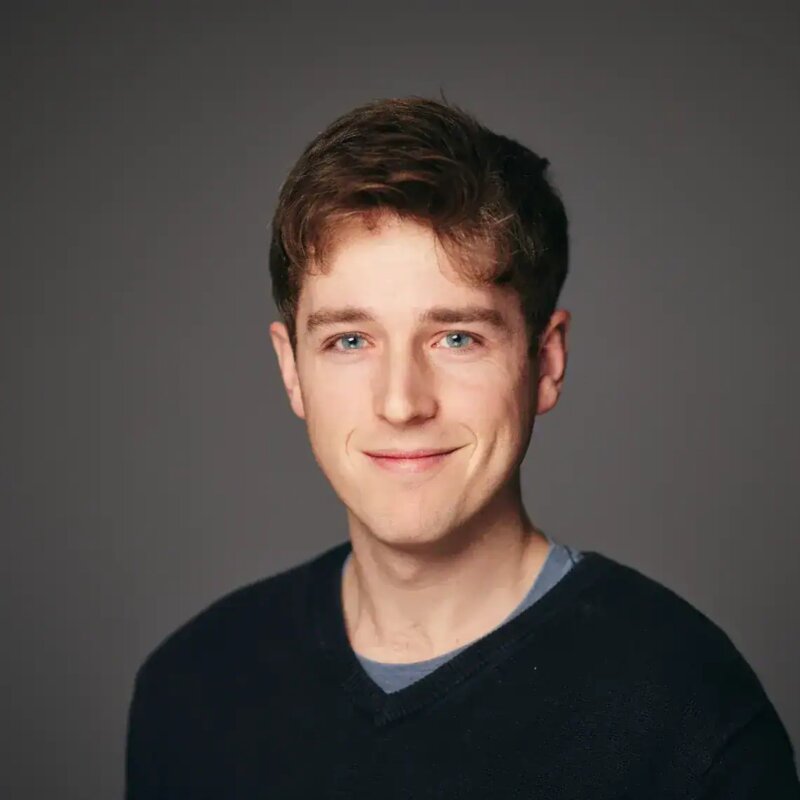
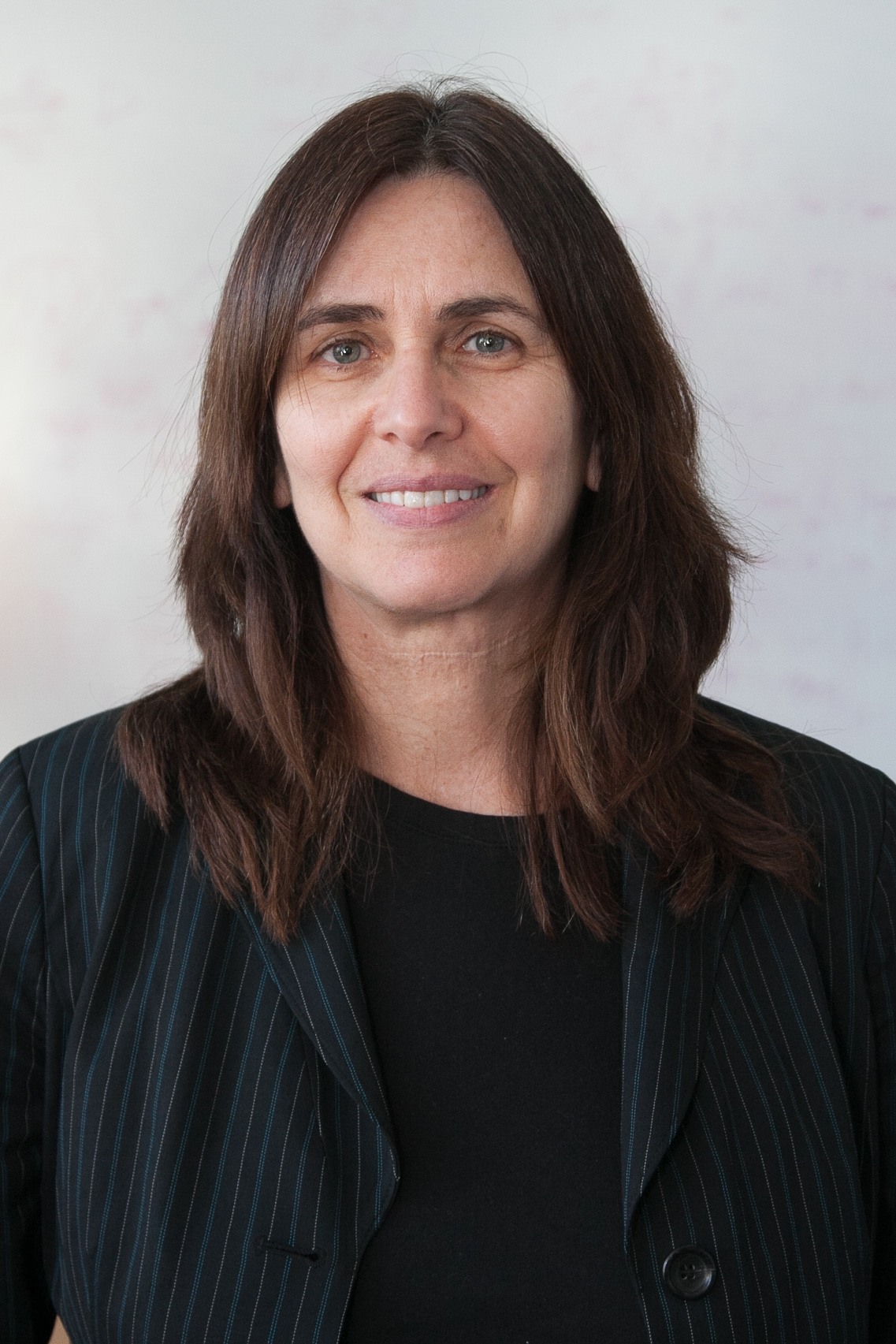
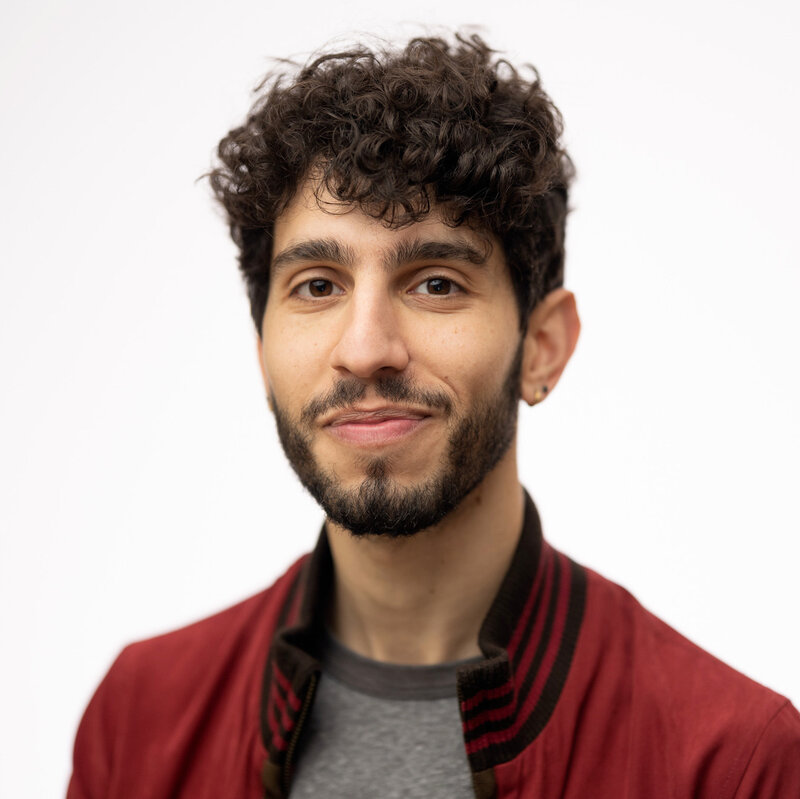
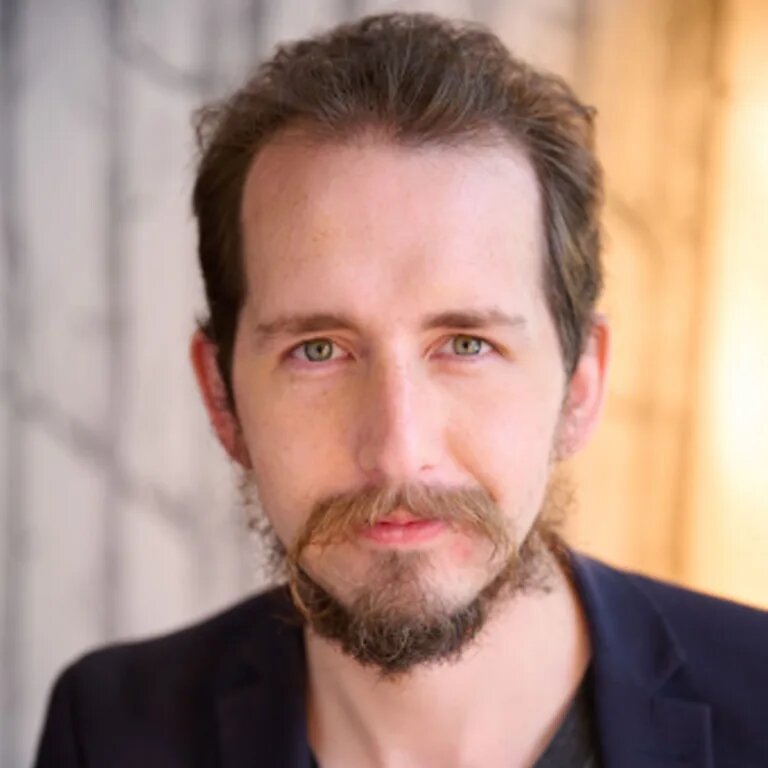
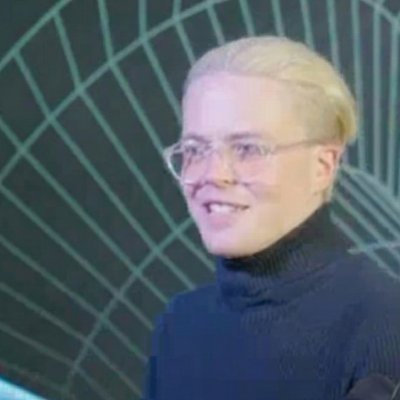
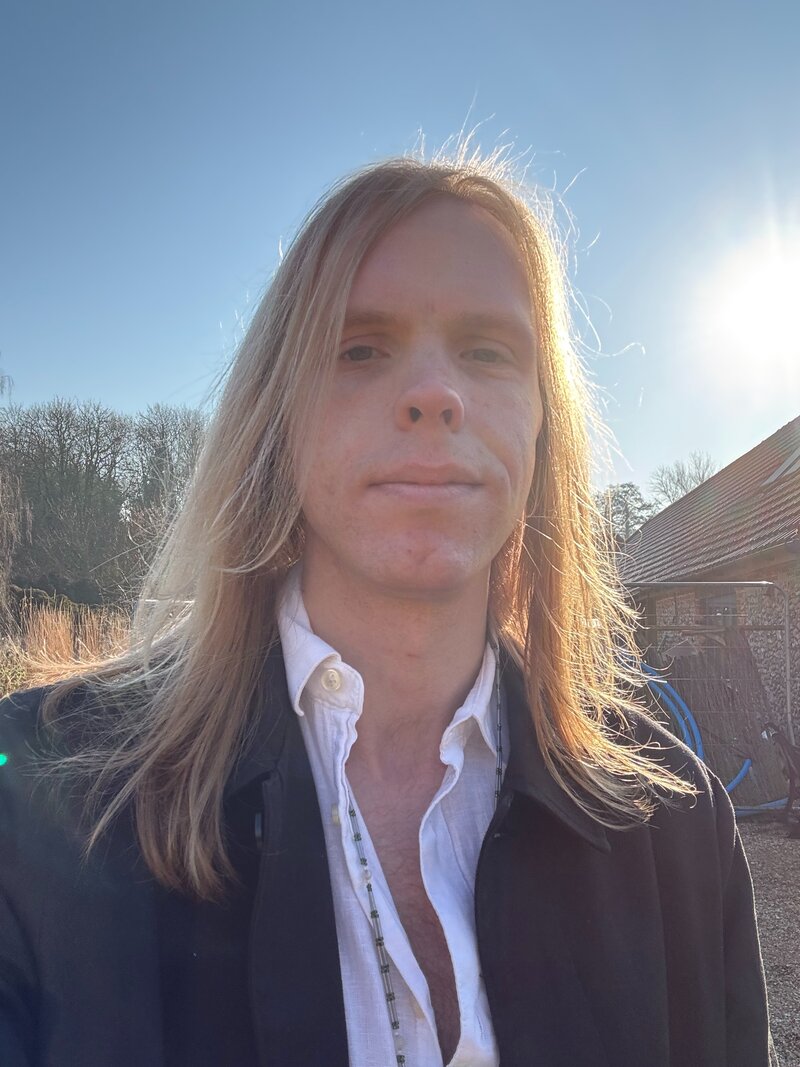
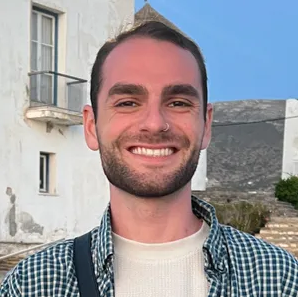
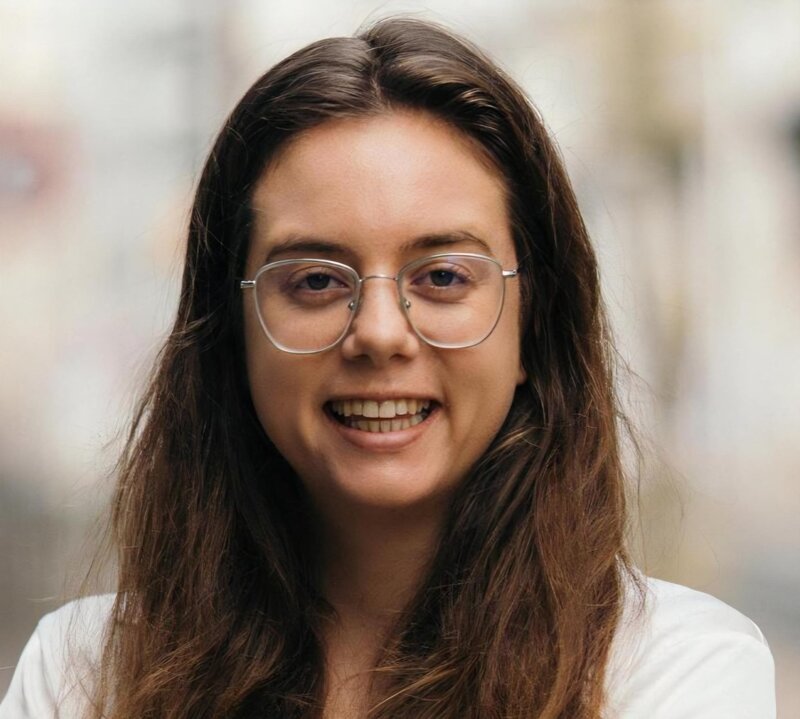
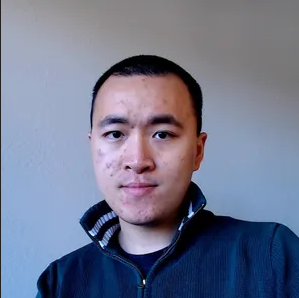
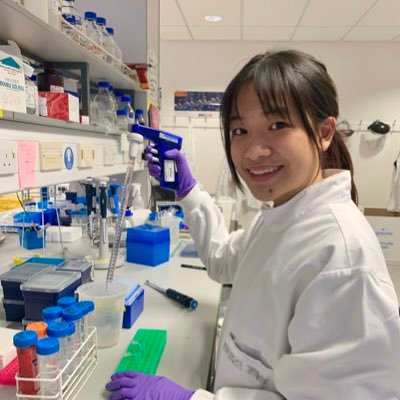

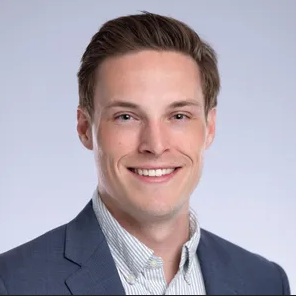
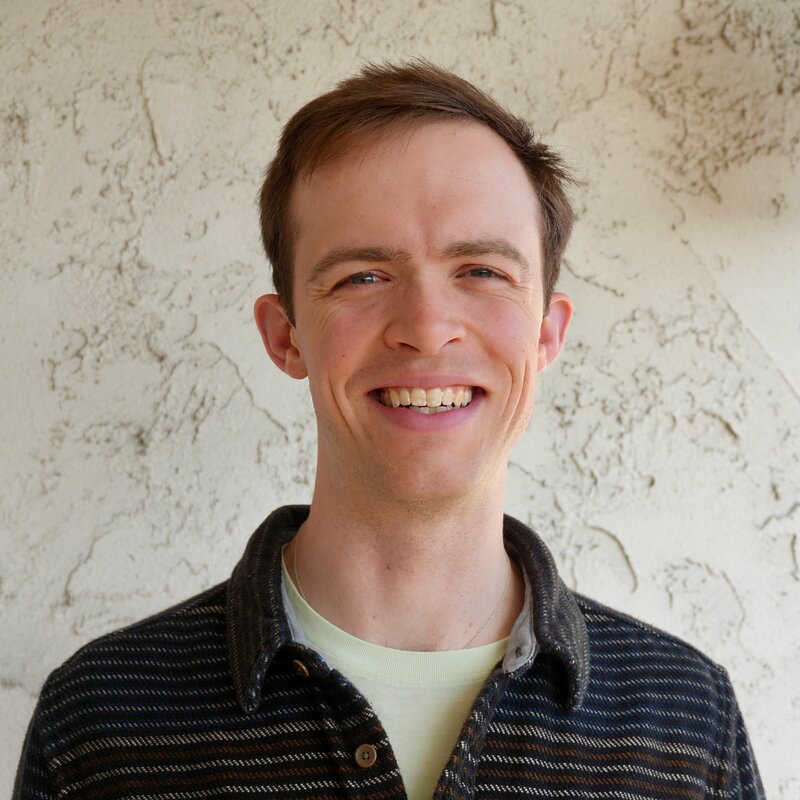
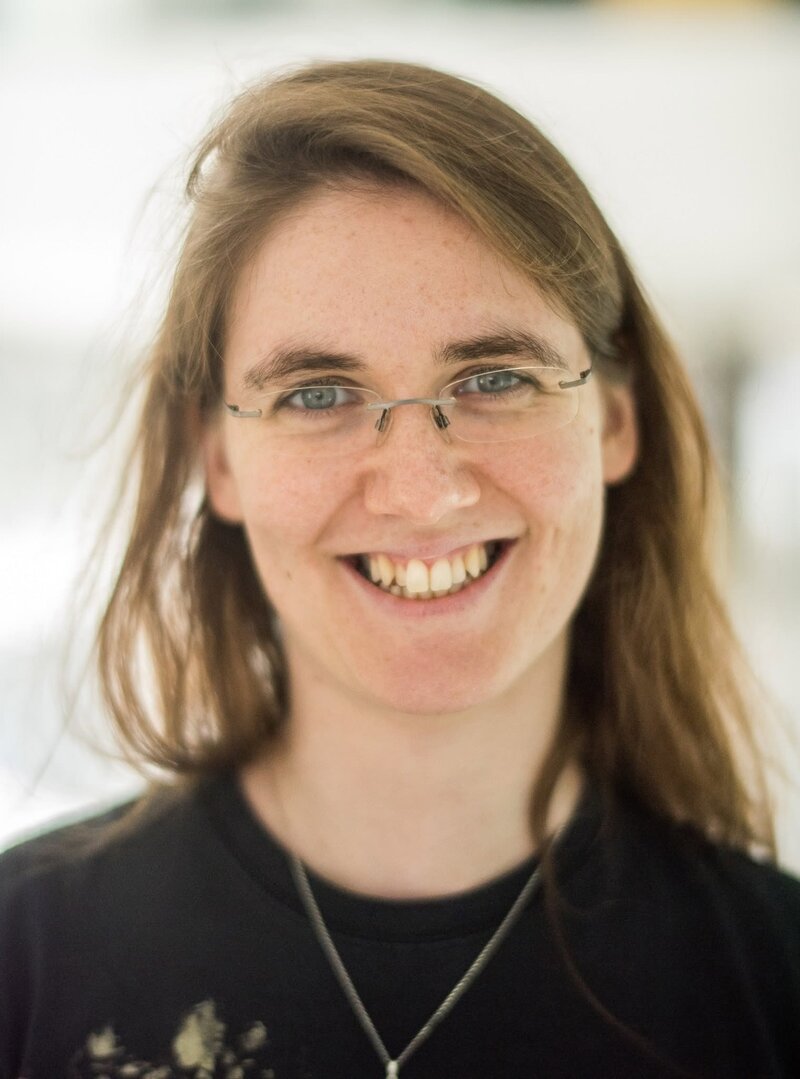
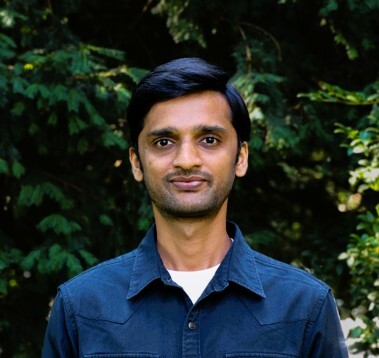
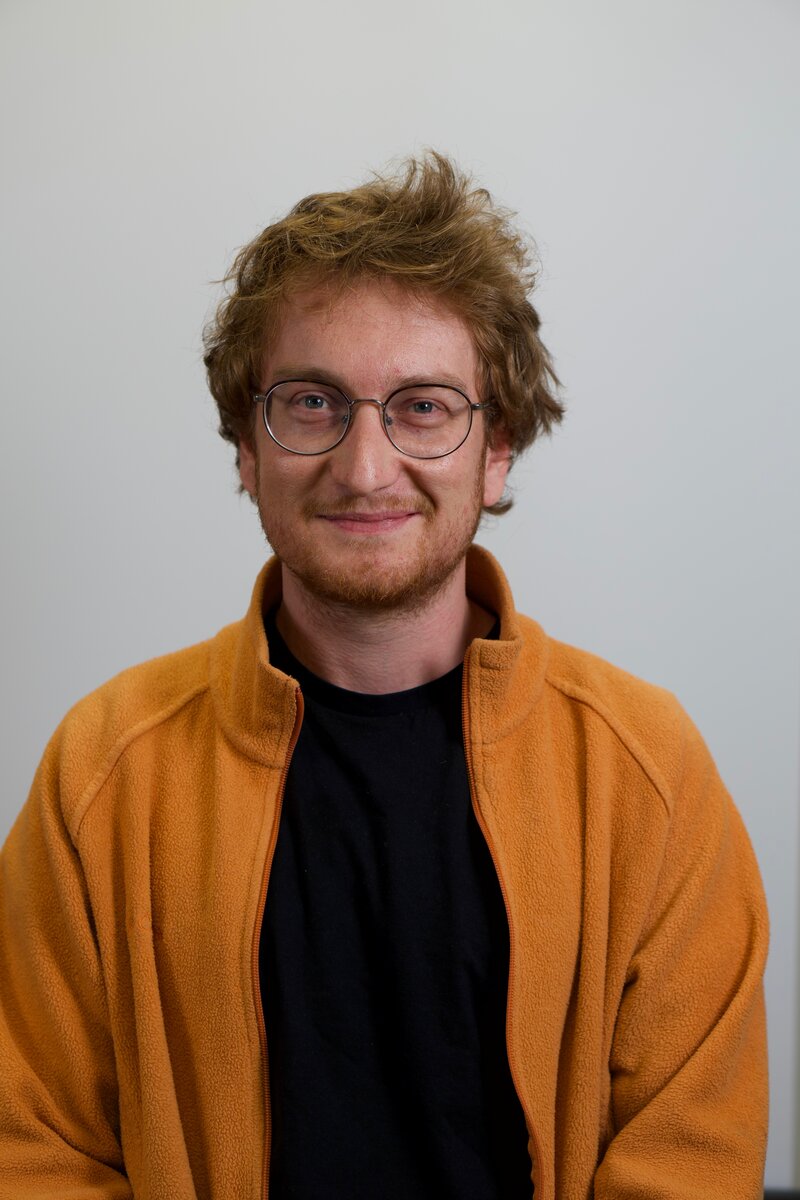
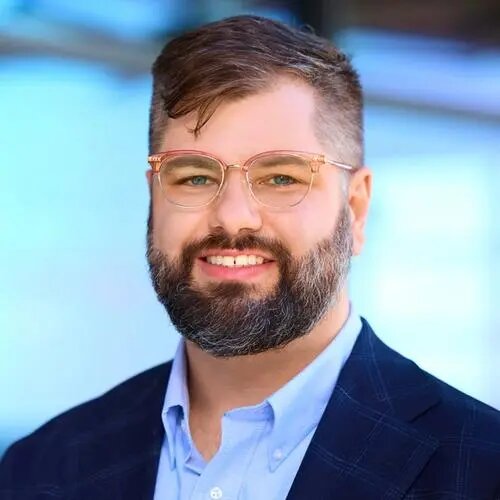
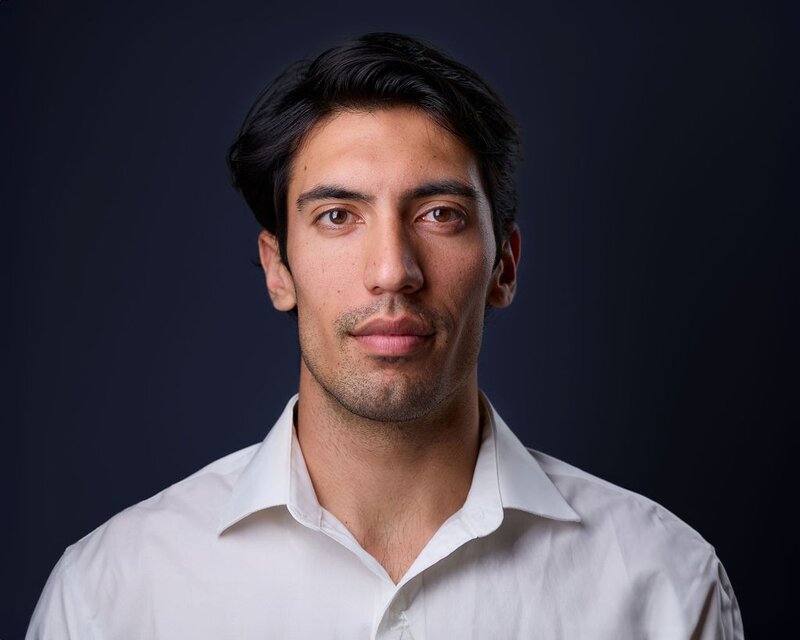
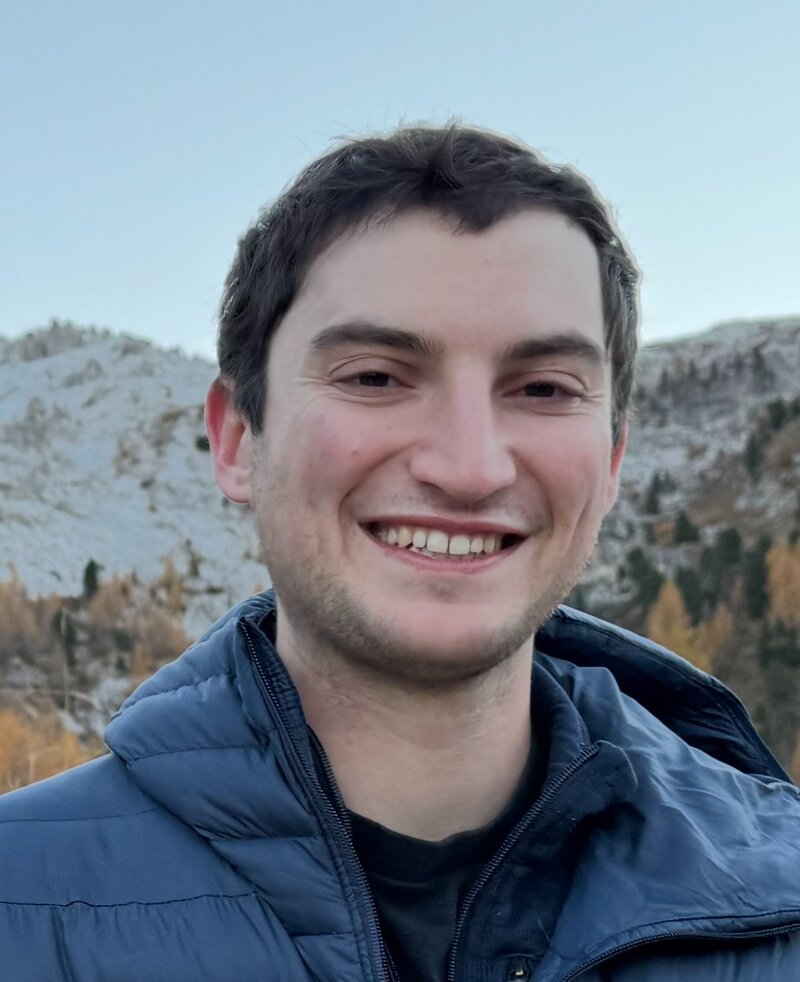
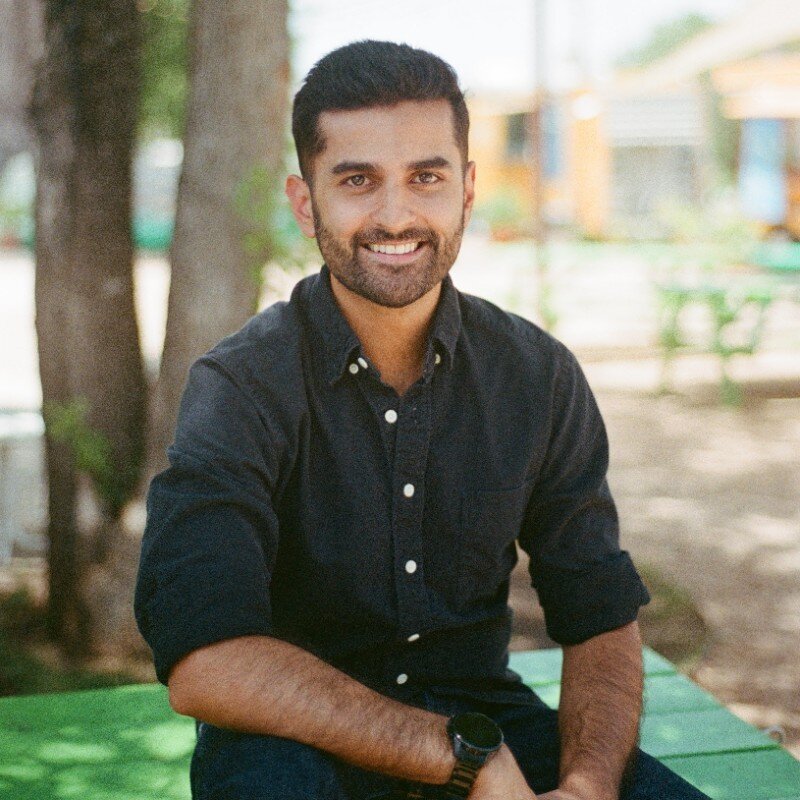
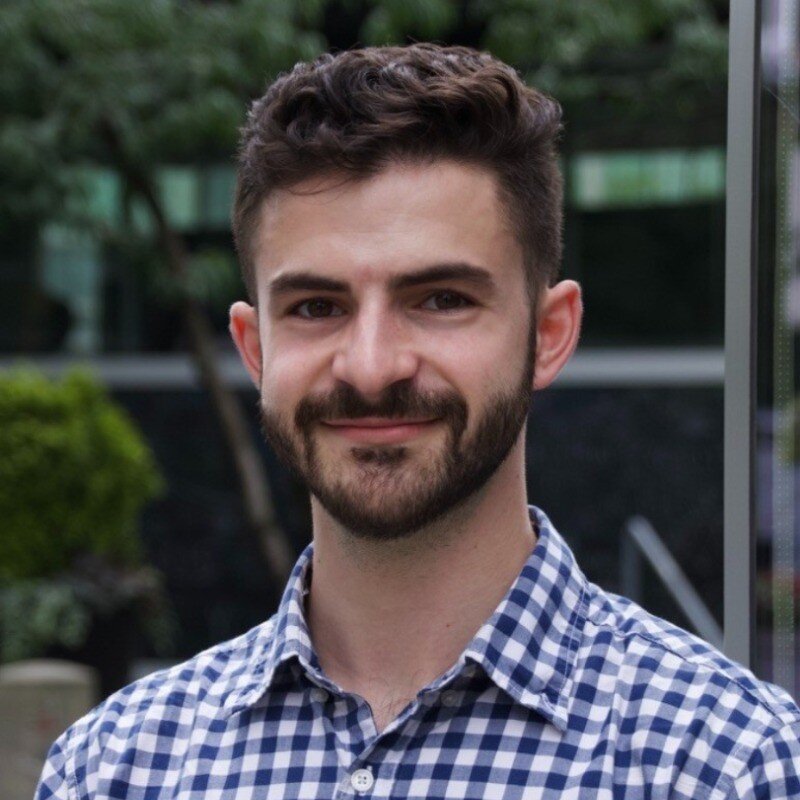
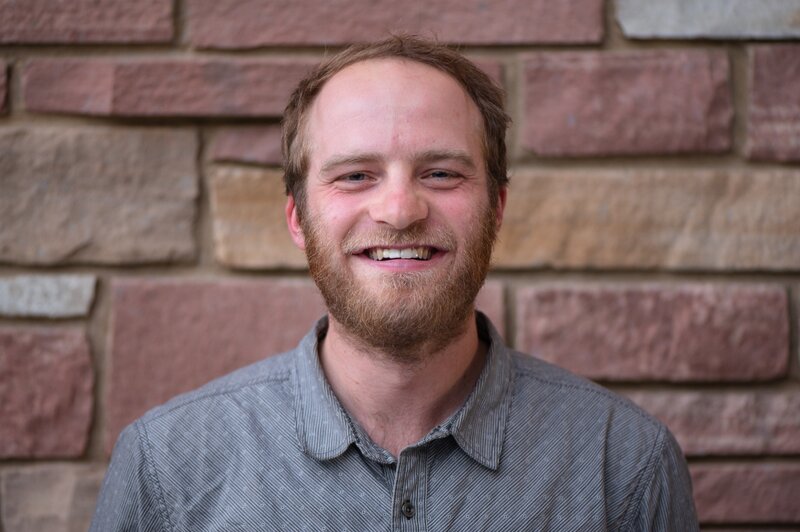
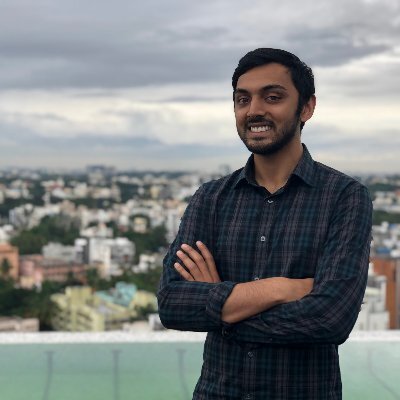
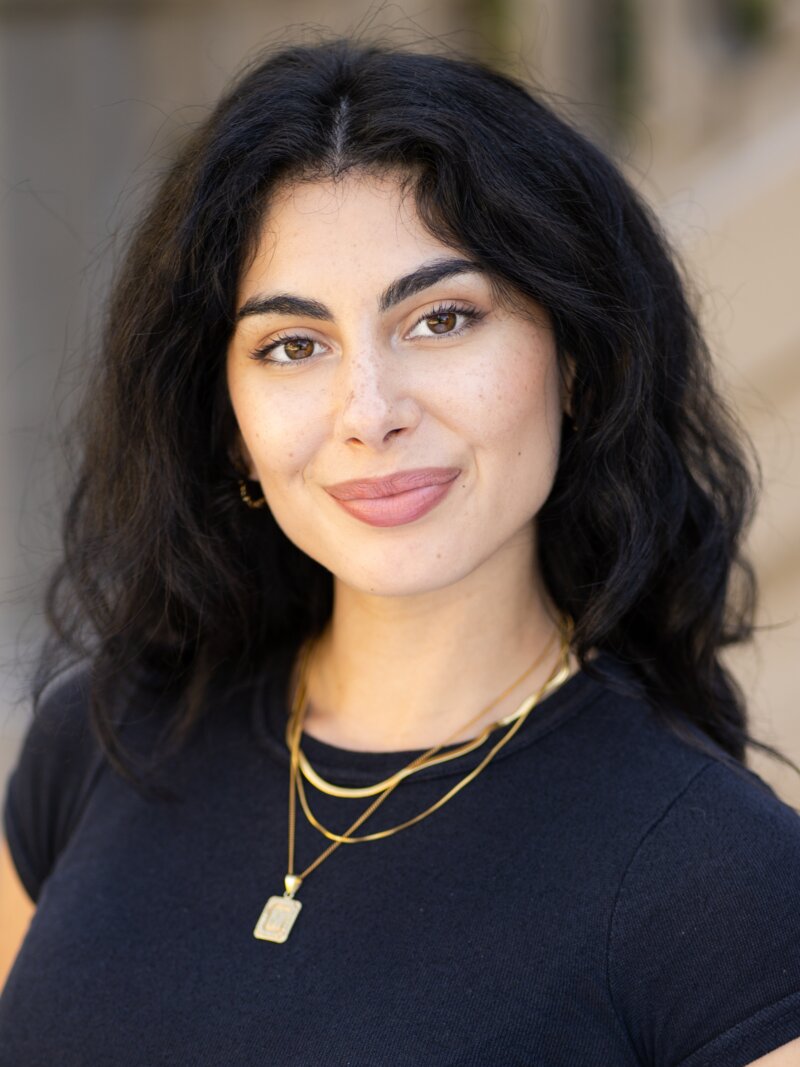
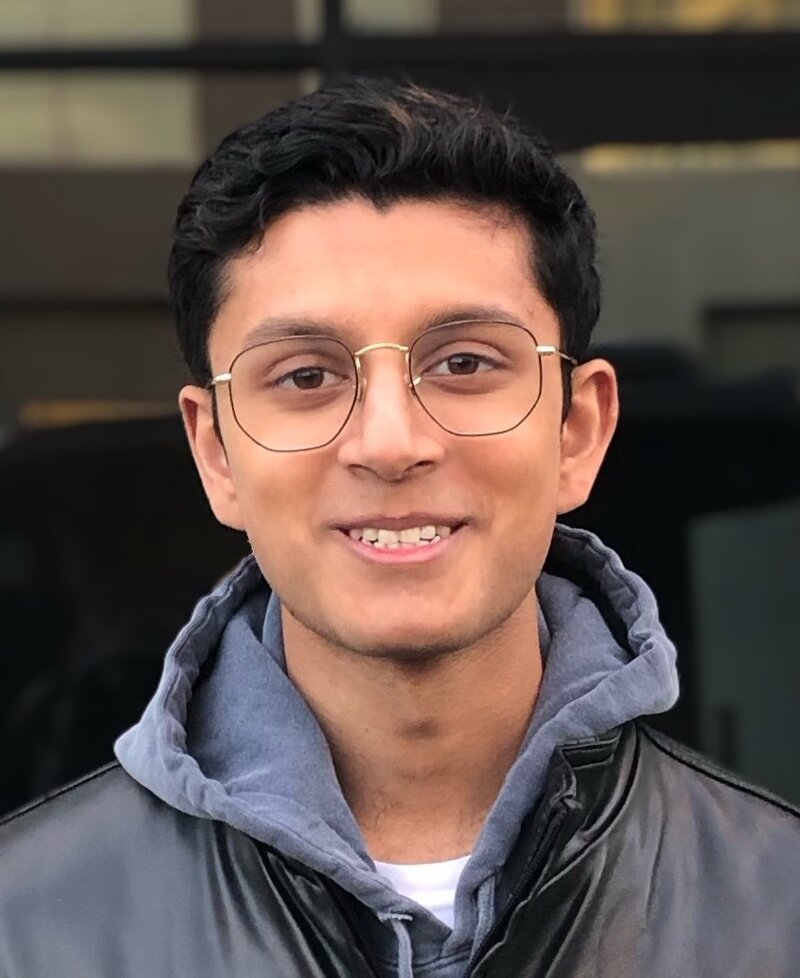
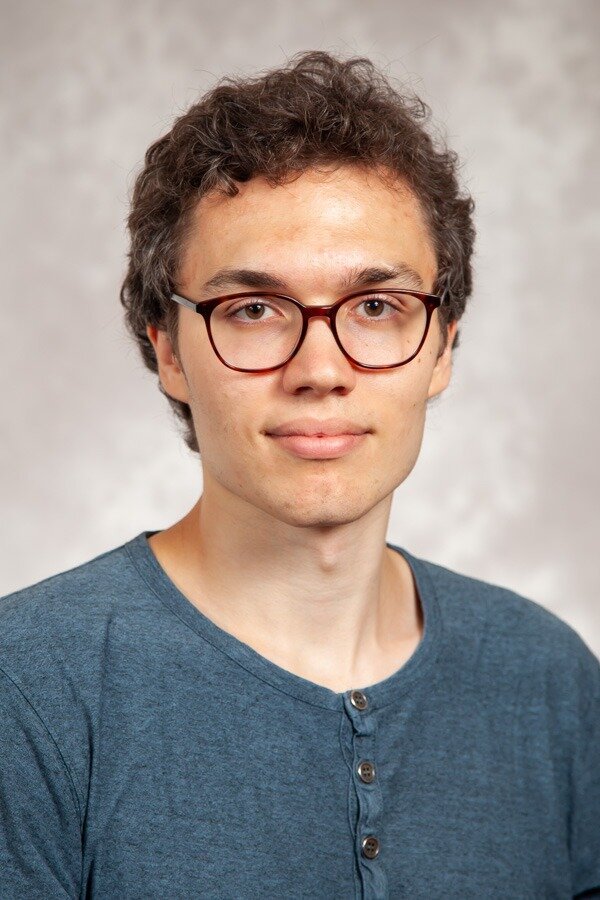
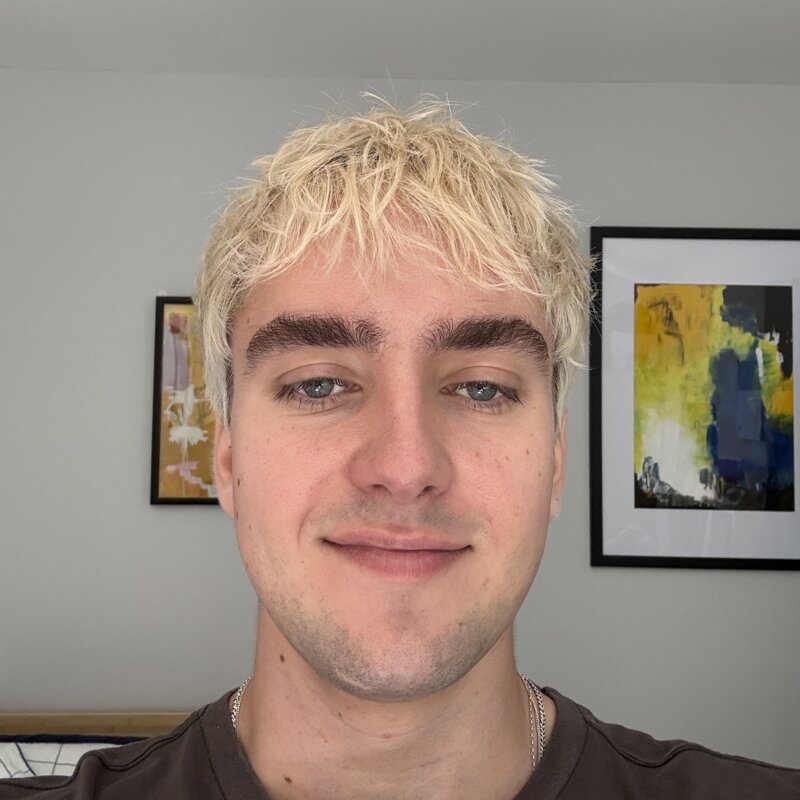
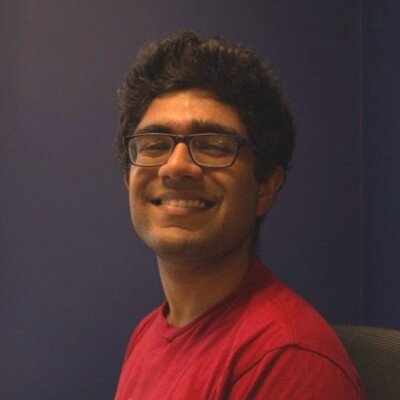
Aryan is a senior member of technical staff at Redwood Research.
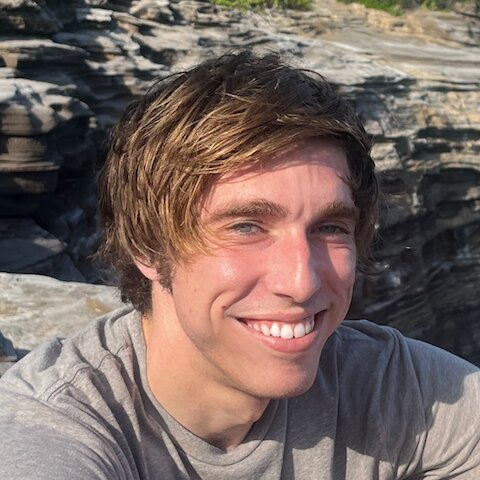
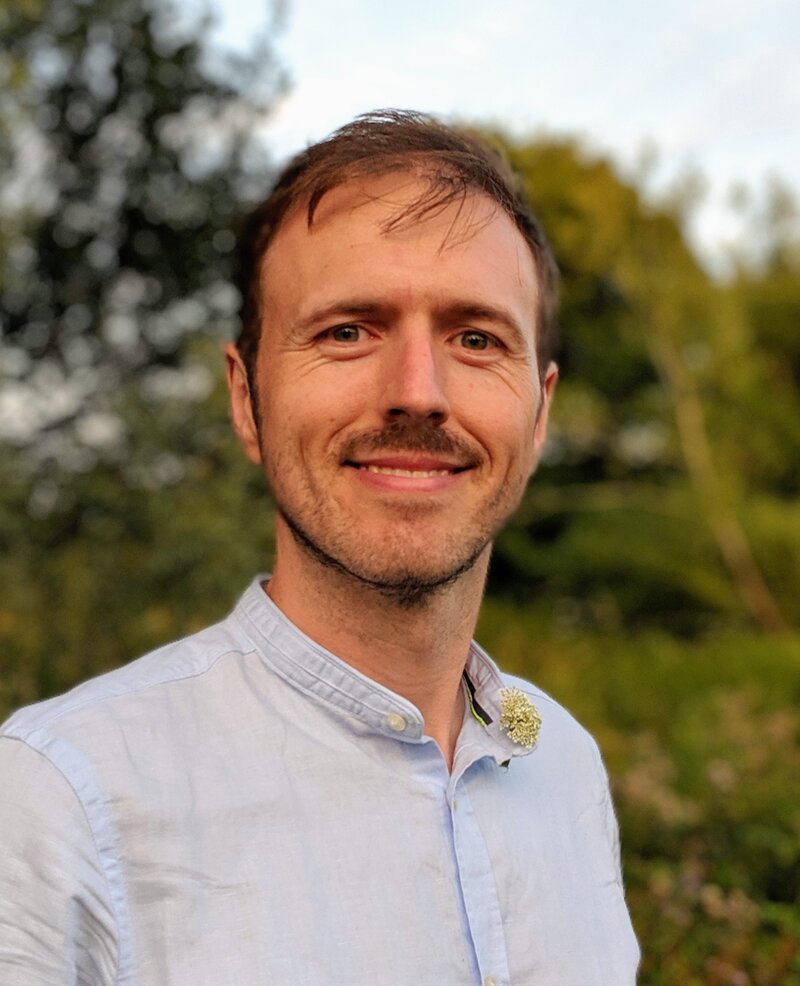
Hi, I'm Jack! I'm interested in understanding the cognition of modern language models, so that we can make them more reliable and aligned with human values. Currently, I lead the "Model Psych" team at Anthropic. We study the internal basis of higher-level cognitive phenomena in LLMs, like introspection, situational awareness, personas, and representations of emotion. We apply these techniques to audit Anthropic’s production models, for instance by monitoring their neural activity for signatures of deception, manipulation, or awareness of being evaluated. Previously, I did my PhD in the Center for Theoretical Neuroscience at Columbia University. For a list of my publications, see my Google Scholar profile.

Vivek is a member of technical staff at Redwood Research.
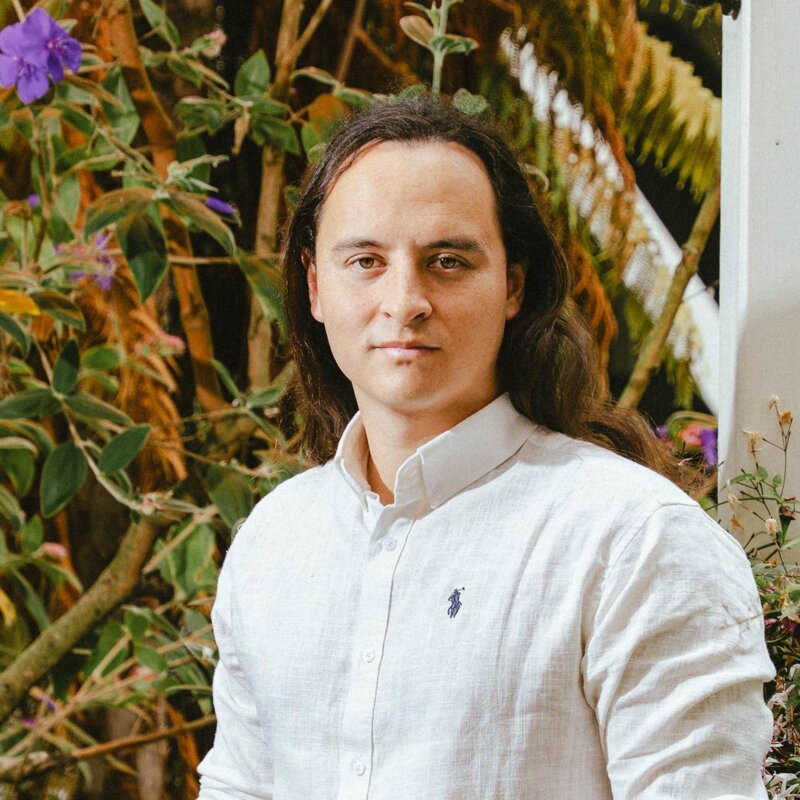
I previously worked on the alignment team at DeepMind, and on the governance team at OpenAI. I'm currently an independent researcher focusing on multi-agent intelligence. My research is in the tradition of natural philosophy; I'm trying to develop vague intuitive concepts (like trust, identity, and integrity) to the point where they can serve as seeds for new scientific paradigms.
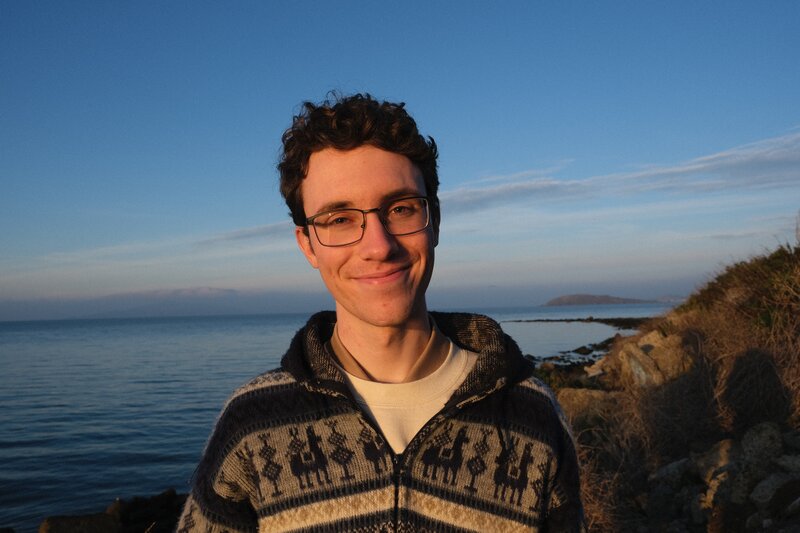
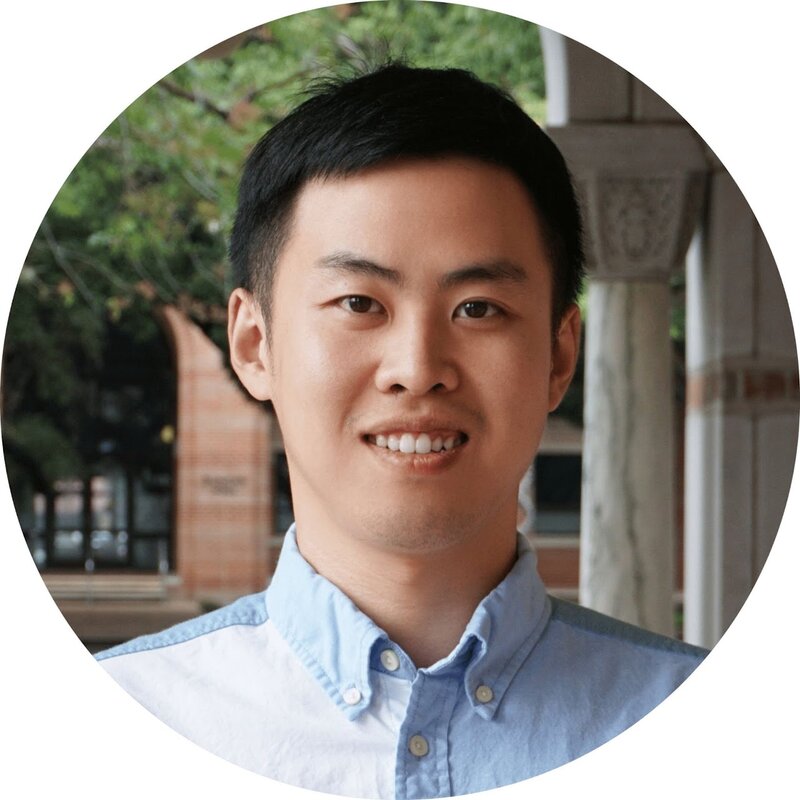
Alek is working on AI safety at Redwood Research. He recently graduated from MIT where he studied Math, CS and AI. Before working on AI safety he did theoretical computer science research (data structures, online algorithms, and algorithmic graph theory).
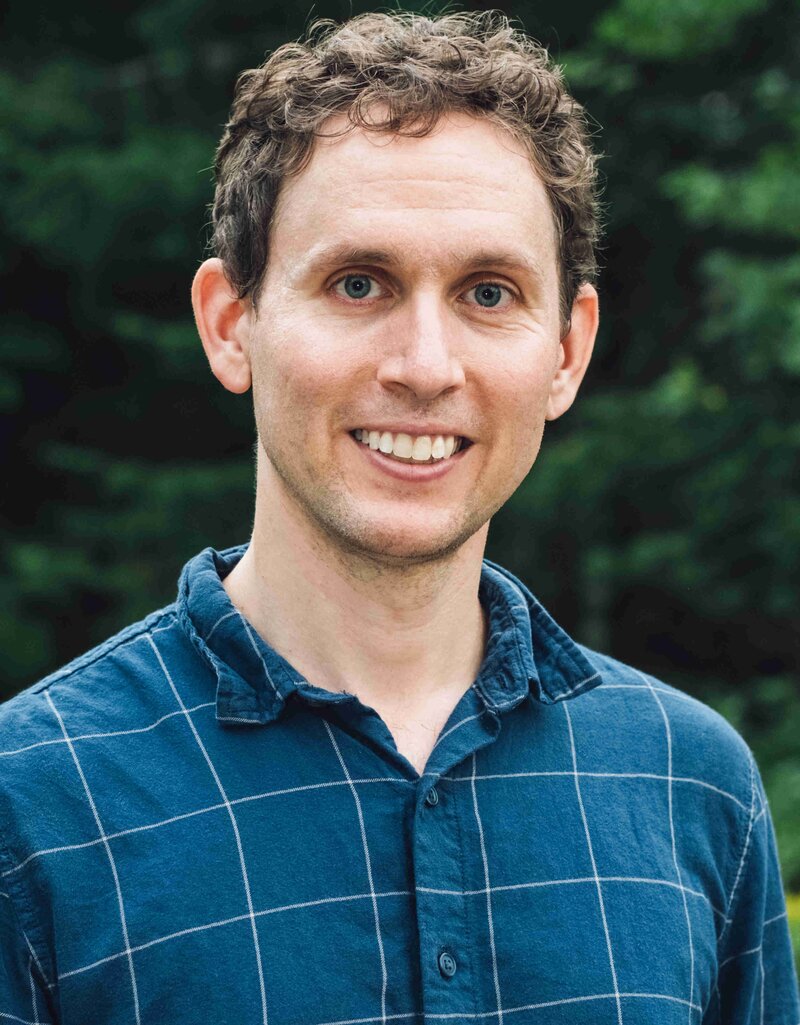
I am an Assistant Professor of Statistics and EECS at UC Berkeley, where I’m also part of BAIR and CLIMB. I am also Founder & CEO of Transluce, a non-profit research lab building open, scalable technology for understanding frontier AI systems.
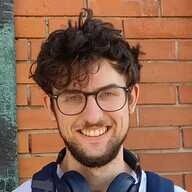
Asa Strickland is a research scientist at the UK AI Security Institute working on AI control red teaming and model organisms of misalignment. He was previously a postdoc with Sam Bowman at NYU, did MATS with Owain Evans, and mentored for the MATS, SPAR and Pivotal fellowships. He got his PhD at the University of Edinburgh, supervised by Iain Murray.
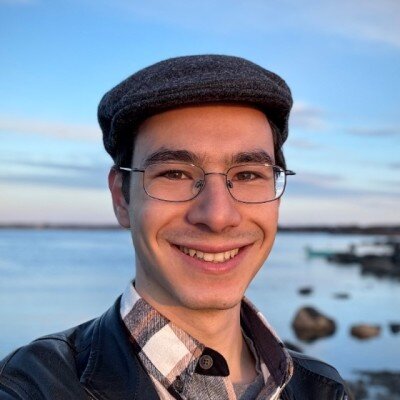
Adam is an AI Safety researcher and member of technical staff at Redwood Research.
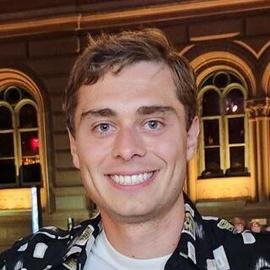
Stephen is currently a researcher at Anthropic where he researches how to align and control superintelligence. He was previously a researcher at OpenAI and, before that, a postdoc at CMU working with Tuomas Sandholm. Stephen received his PhD in computer science from the University of California, Irvine working with Pierre Baldi. During his PhD, he did research scientist internships at Intel Labs and DeepMind. Before that, Stephen received his bachelor's degree in mathematics and economics from Arizona State University in 2017. Projects he is interested in include:
- Anything related to control/monitoring for coding agents
- Scalable oversight for agent alignment
- Scheming evaluations and mitigations
- Adversarial training for robust monitors / reward models
- Reward hacking / deception in agents
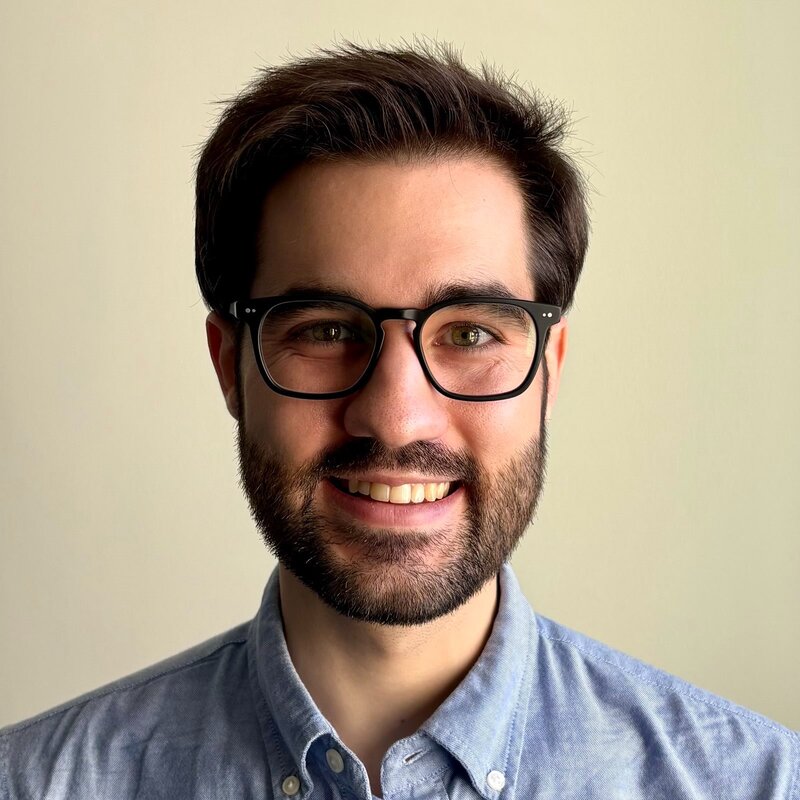
Gabriel runs ISL, which focuses on how to secure the most sensitive AI data centers against the most sophisticated current and future threats. ISL is a nonprofit R&D org focused on implementation-driven R&D for high-security AI systems. Previously, Gabriel was a fellow at RAND on hardware-enabled governance mechanisms and international verification of agreements. He holds a master's degree in computer science.