MATS mentors are advancing the frontiers of AI alignment, transparency, and security
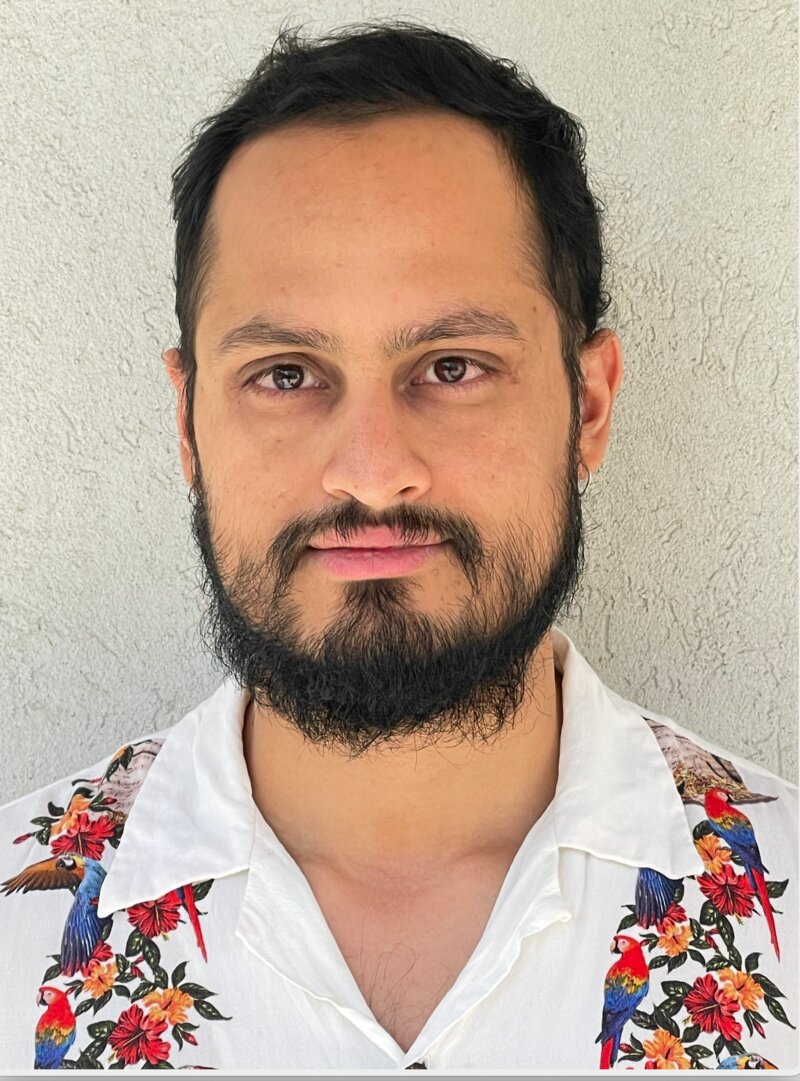
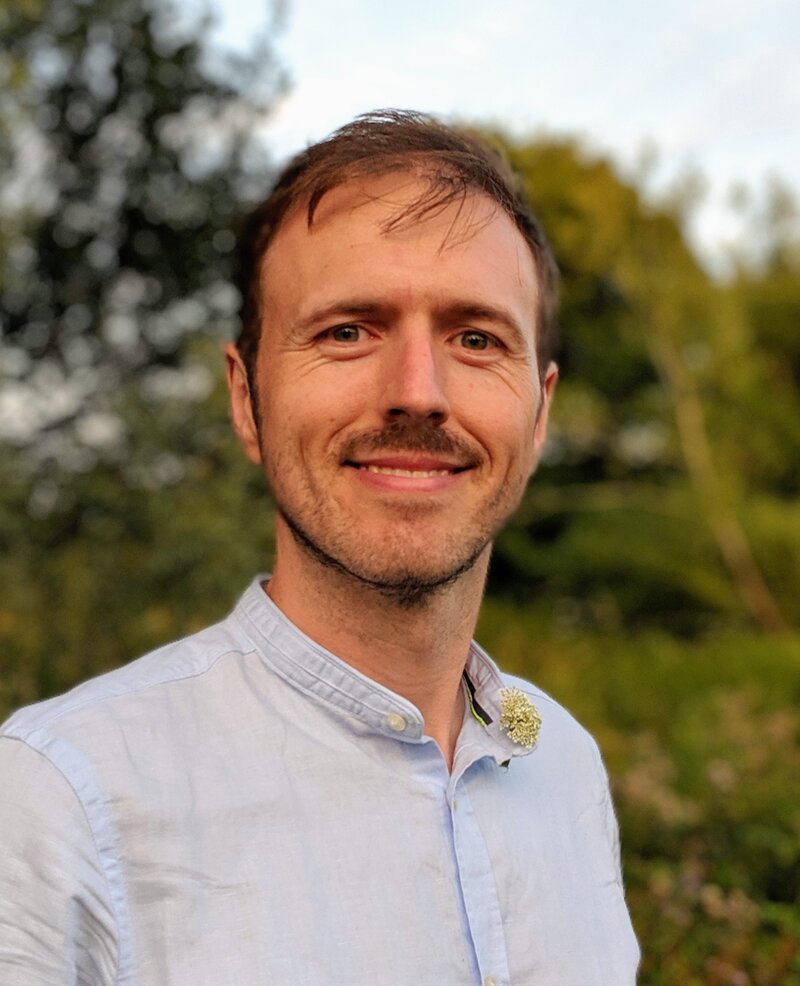
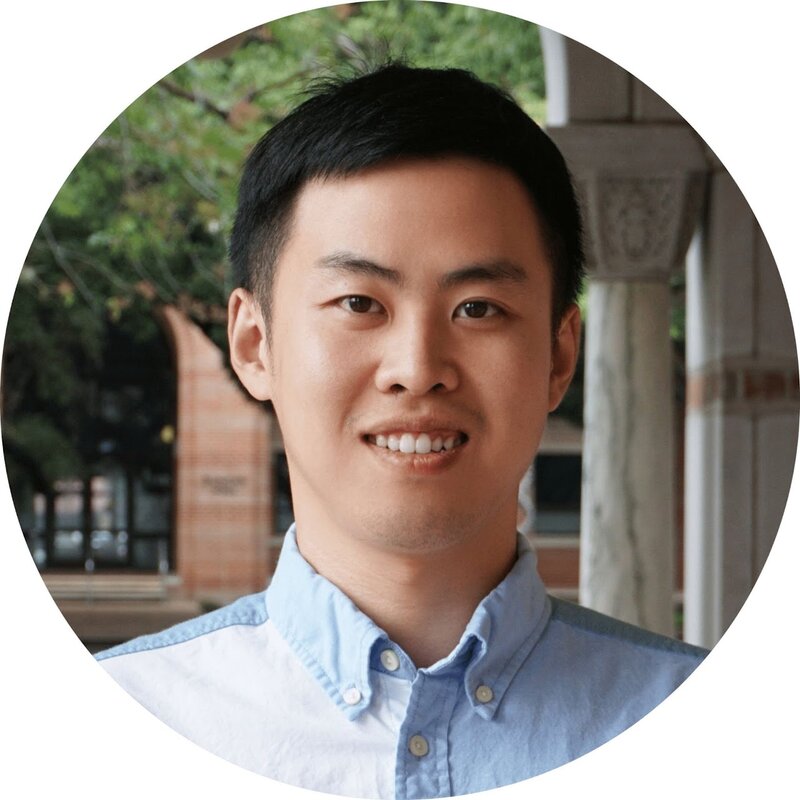

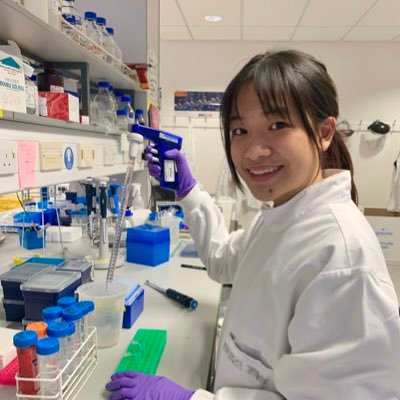

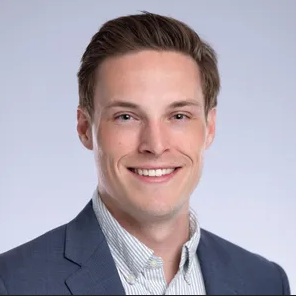
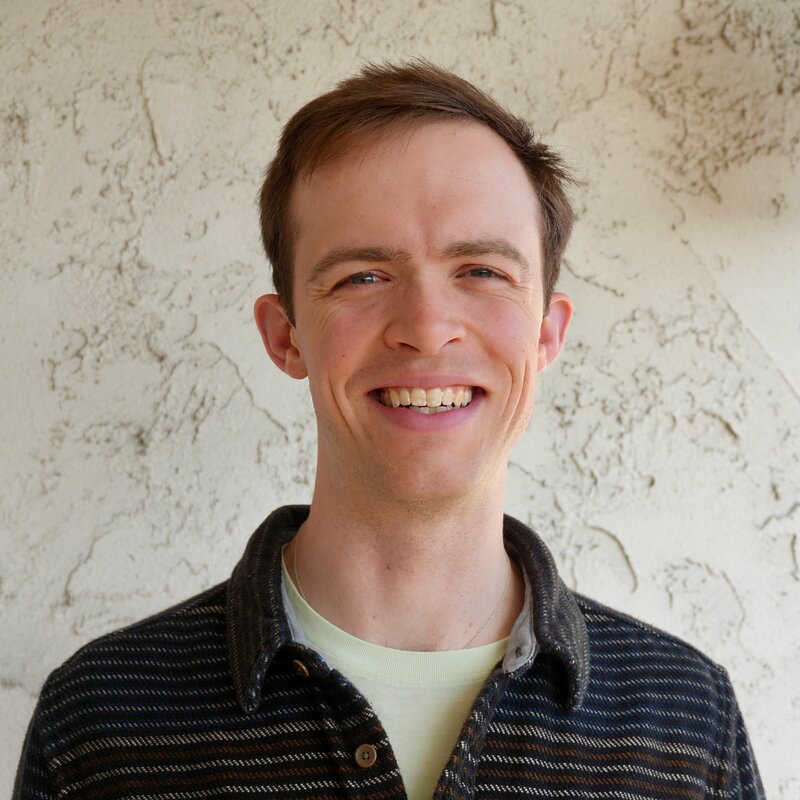
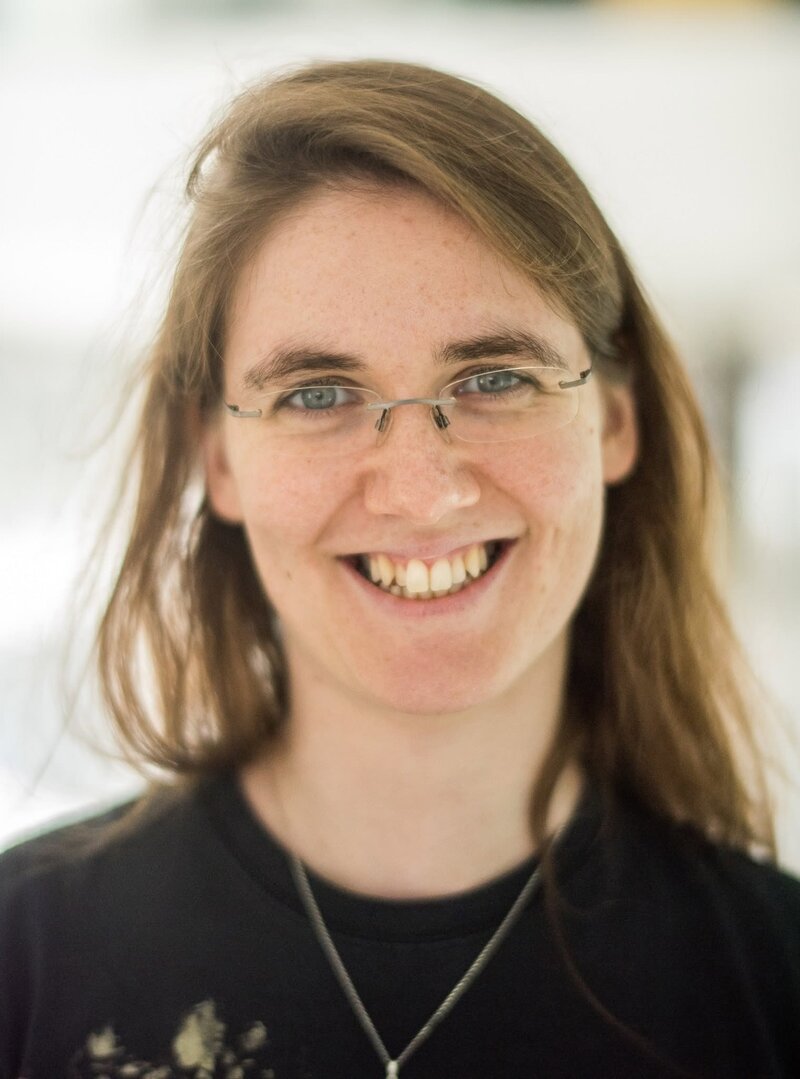
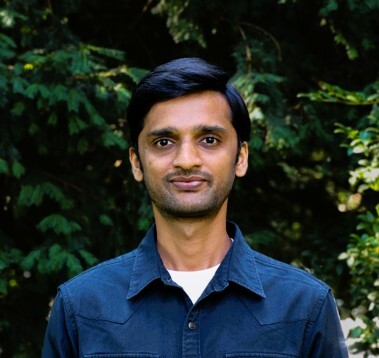

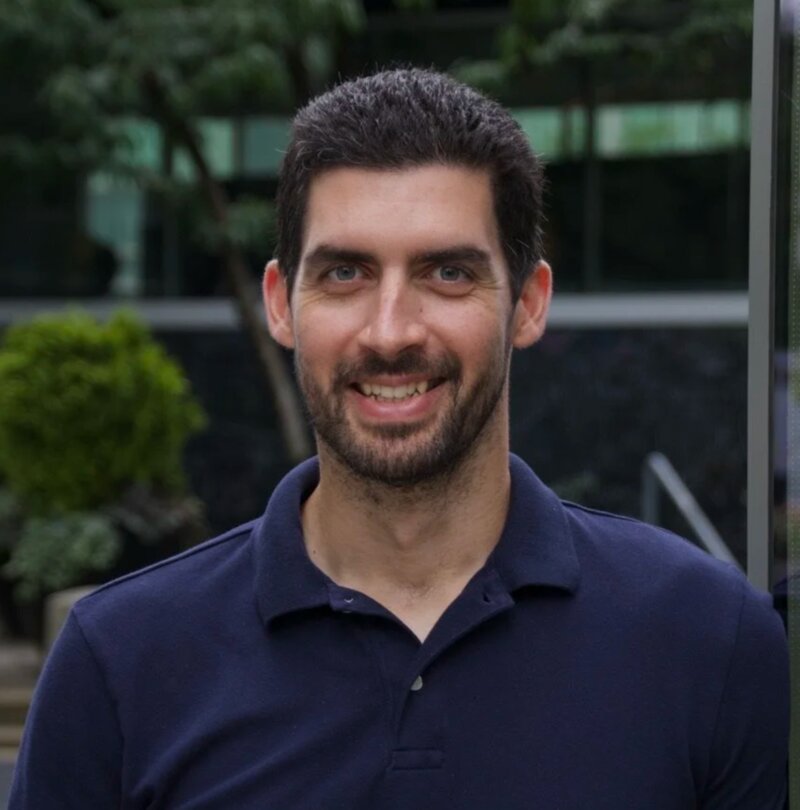
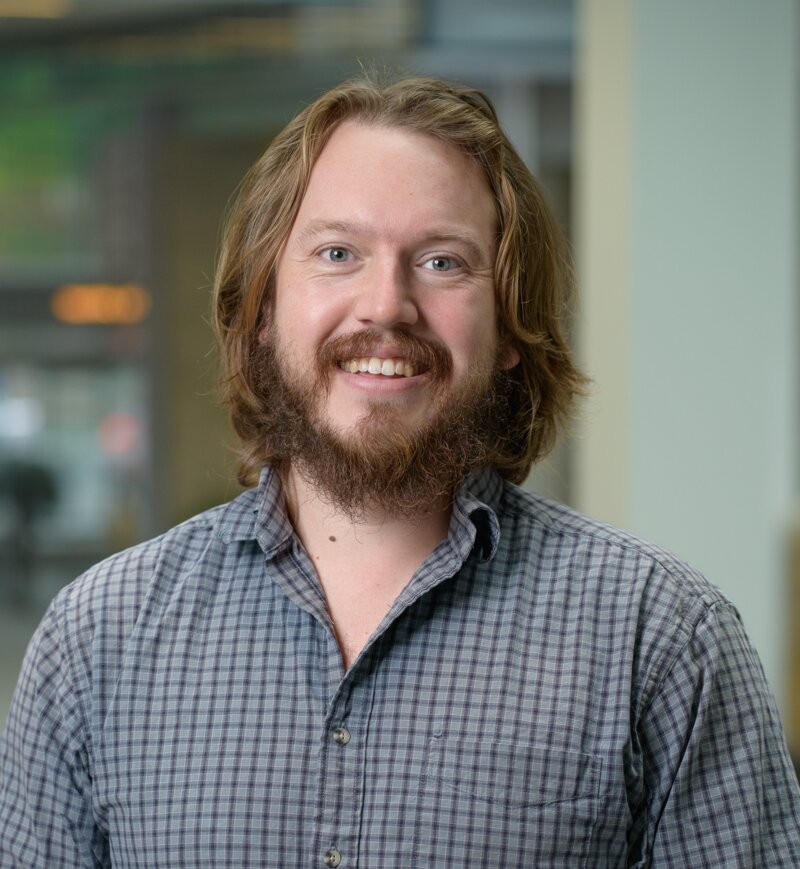
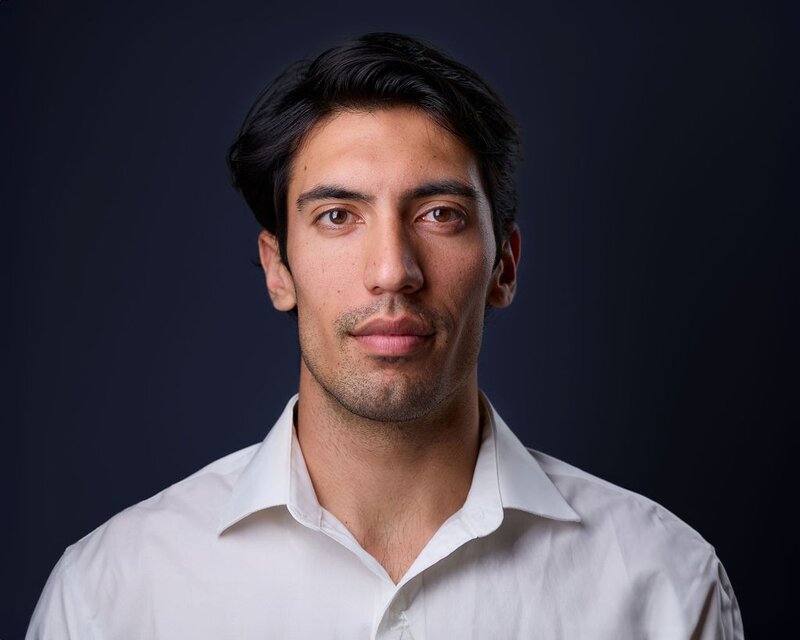
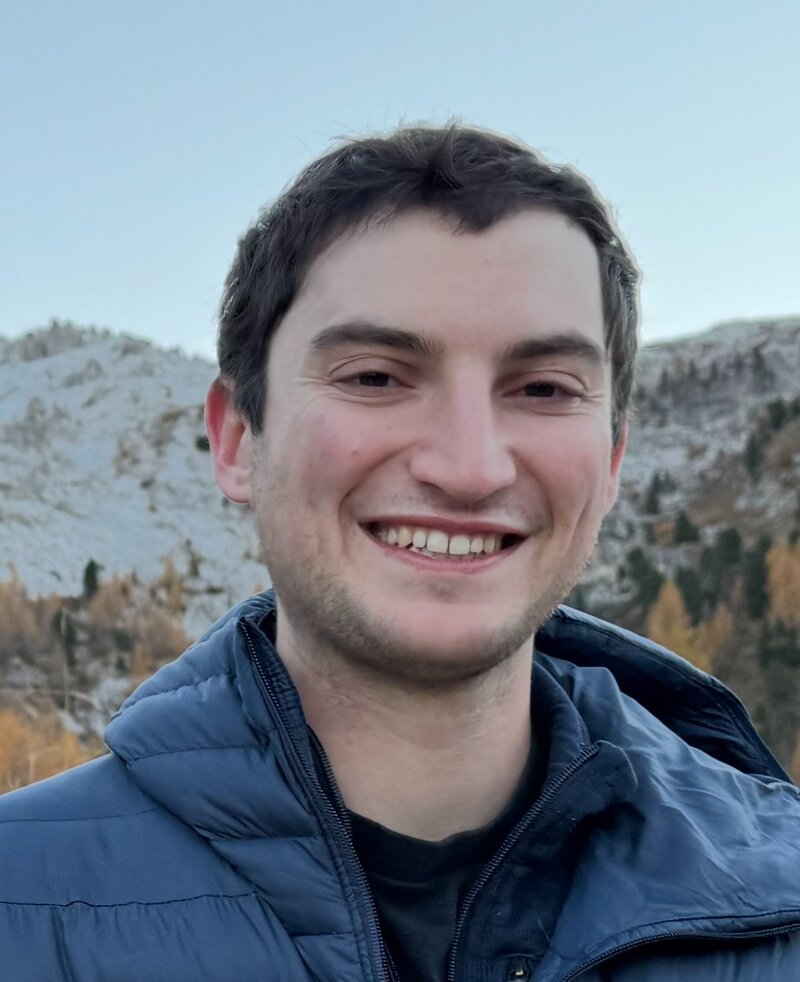
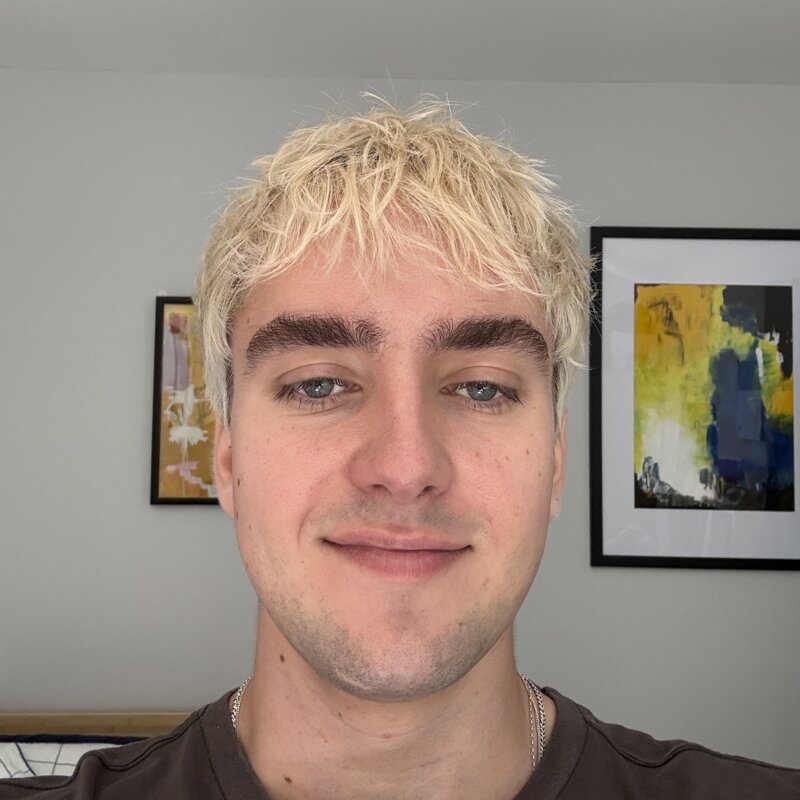

Jacob Hilton is a researcher at the Alignment Research Center (ARC), a nonprofit working on the theoretical foundations of mechanistic interpretability. He previously worked at OpenAI on reinforcement learning from human feedback, scaling laws and interpretability. His background is in pure mathematics, and he holds a PhD in set theory from the University of Leeds, UK.
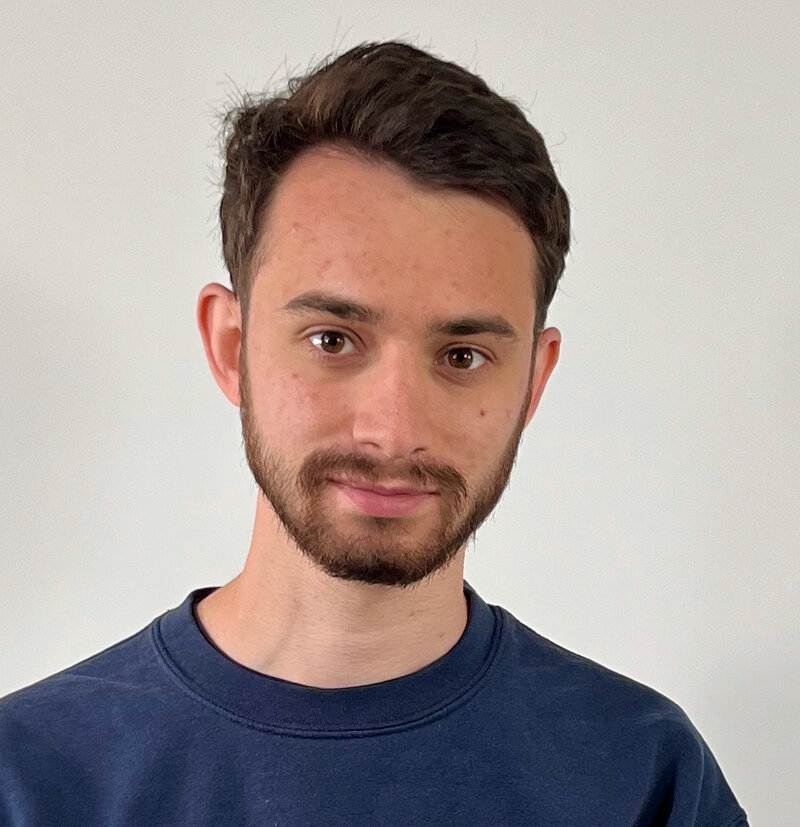
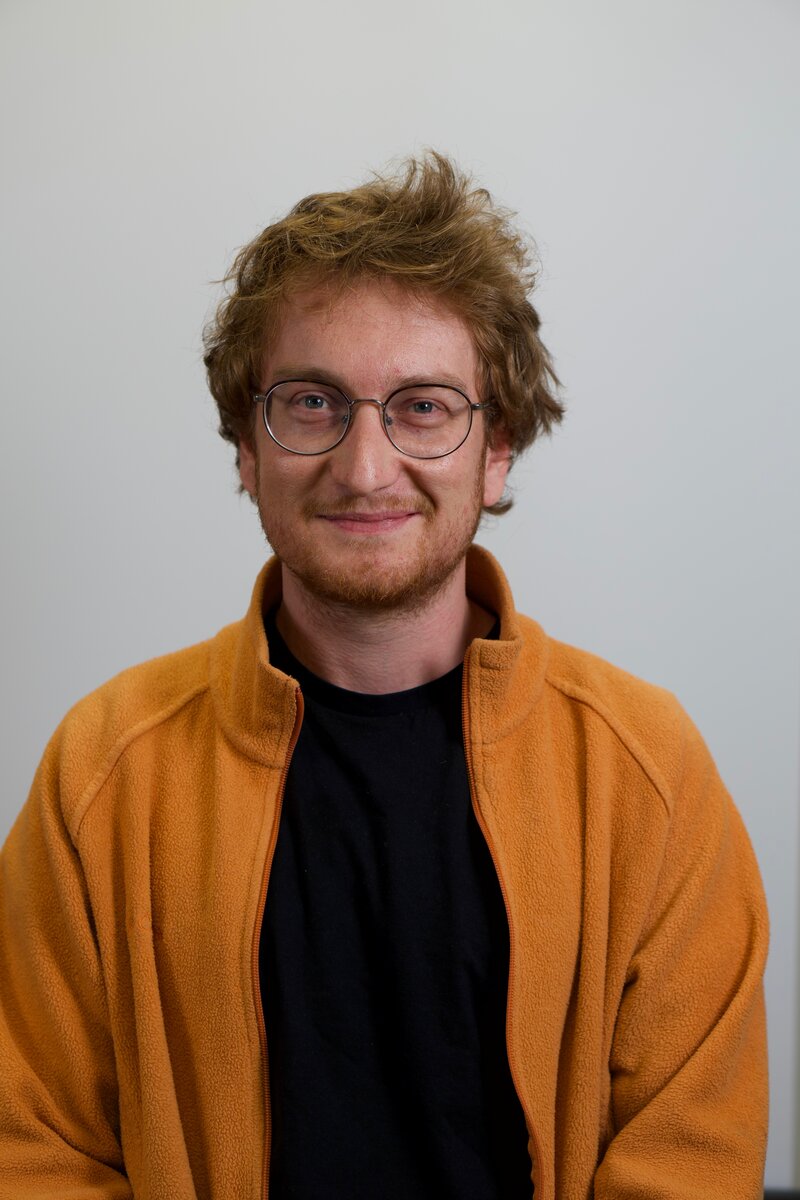
Eli is working on AI scenario forecasting with the AI Futures Project, where he co-authored AI 2027. He advises Sage, an organization he cofounded that works on AI Digest (interactive AI explainers) and forecasting tools. He previously worked on the AI-powered research assistant Elicit.

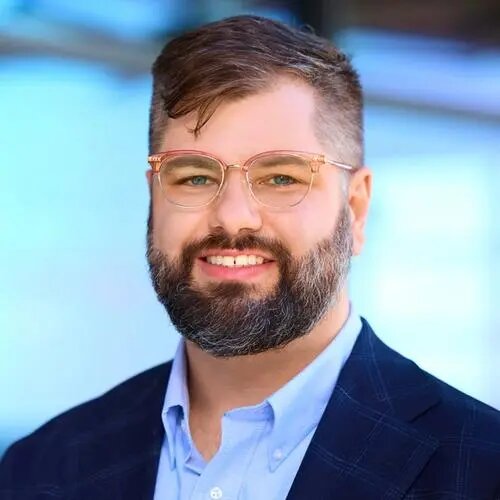
As AI Science Advisor to the California Governor’s Office of Emergency Services (Cal OES), Michael Chen advises senior leadership on frontier AI safety and risk assessment, with a particular emphasis on critical safety incidents, AI and cyber defense, and risk from developers’ internal deployment of AI, such as sabotage by AI agents and automated AI R&D. As Science Advisor, he coordinates with AI governance leads across California’s state government and facilitates cross-sector collaboration with the academic research community, the private sector, and community and nonprofit organizations.
Michael previously worked on evaluations-based AI governance at METR, an independent California-based nonprofit evaluator of autonomous AI agent capabilities and risks. He advised leading AI developers on frameworks for assessing, mitigating, and transparently disclosing catastrophic AI risks. He also assisted with third-party evaluations, including a review of a developer’s report assessing sabotage risk from AI agents, and contributed to a catalog of incidents in which AI agents acted beyond their operators’ intent. Michael has engaged with U.S. government bodies on frontier AI evaluation, including the Center for AI Standards and Innovation (CAISI) at the National Institute of Standards and Technology (NIST), and conducted research at UC Berkeley’s Center for Human-Compatible AI on learning human preferences for language models. His research and commentary on AI have been covered in outlets such as Time, The Guardian, and MIT Technology Review. Michael is a part-time PhD student at the University of Oxford and an affiliate of the Oxford Martin AI Governance Initiative.
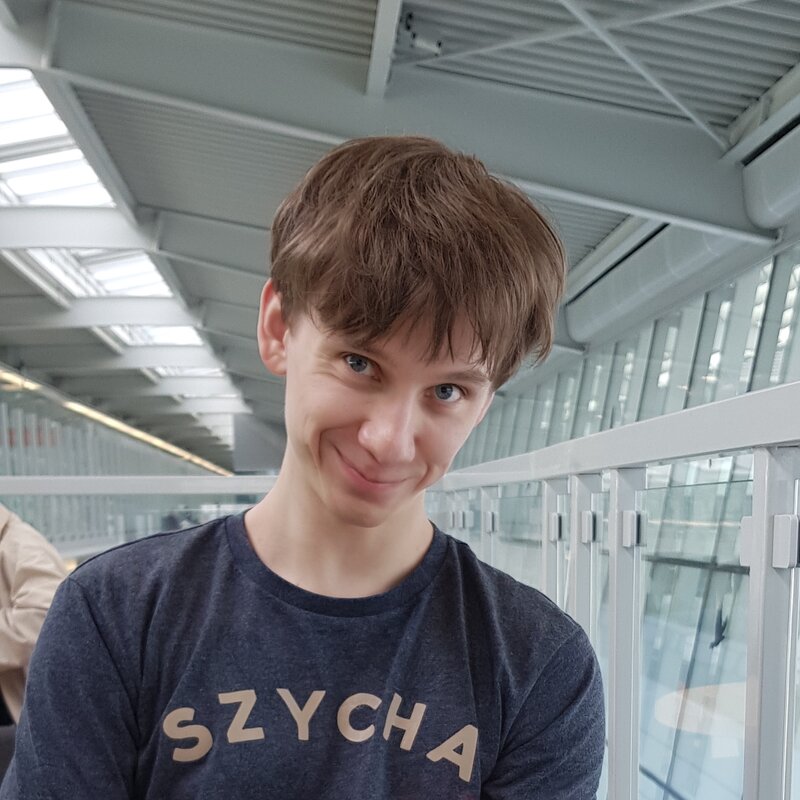
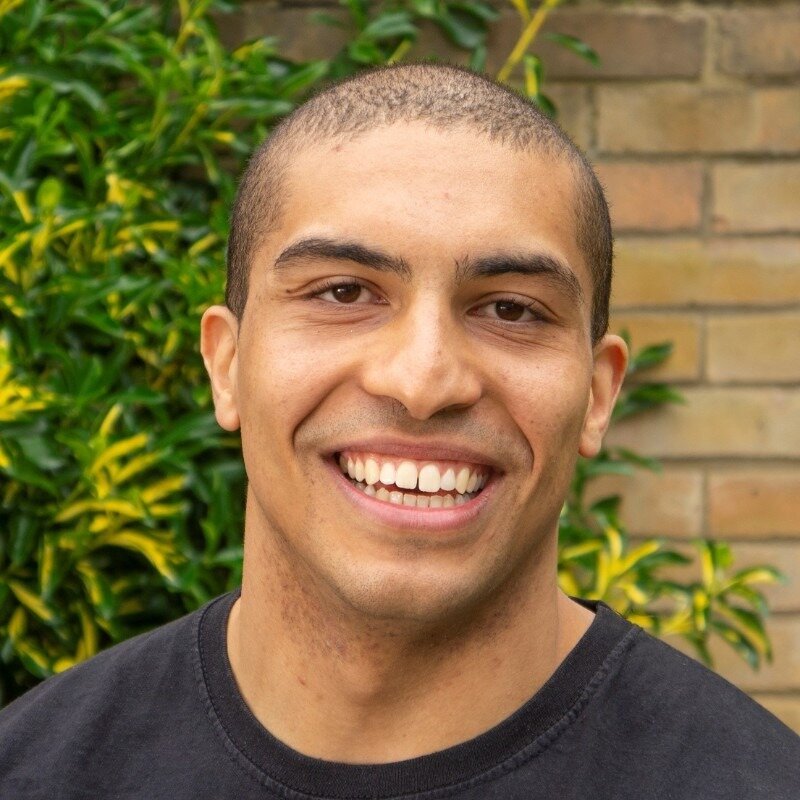
I’m a Member of Technical Staff at OpenAI working on monitoring LLM agents for misalignment. Previously, I worked on AI control and safety cases at the UK AI Security Institute and on honesty post-training at Anthropic. Before that, I did a PhD at the University of Sussex with Chris Buckley and Anil Seth focusing on RL from human feedback (RLHF) and spent time as a visiting researcher at NYU working with Ethan Perez, Sam Bowman and Kyunghyun Cho.

Stephen "Cas" Casper is a computer scientist and an Assistant Professor of Public Policy at the Harvard Kennedy School and a Faculty Affiliate of the Harvard School of Engineering and Applied Sciences. Prior to joining Harvard, he completed his PhD at MIT and did a research residency with the UK AI Security Institute. He is a writer for the International AI Safety Report and a lead writer for the Singapore Consensus. His research has been recognized with a Hoopes Prize, an ML Safety Workshop best paper award, a BioSafeGenAI best paper runner-up, a GenLaw spotlight paper award, a TMLR outstanding paper finalist distinction, and a handful of mentions in news articles and newsletters. Find him on Google Scholar, Twitter (sorry), BlueSky, and LinkedIn.
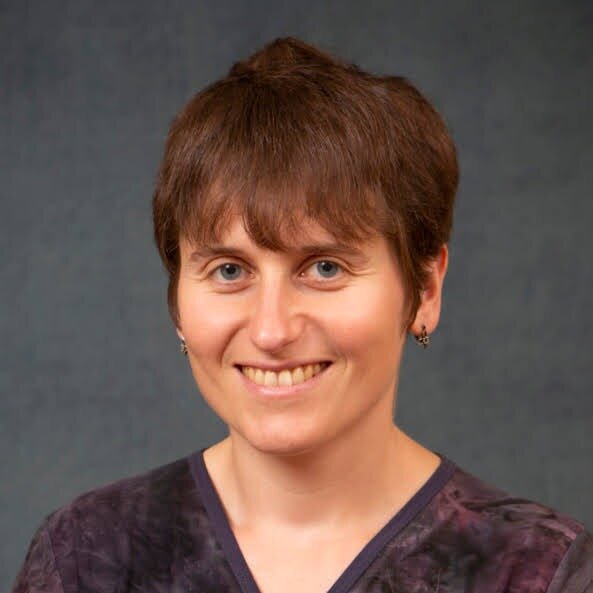
I am a research scientist on the AGI Safety & Alignment team at Google DeepMind. I focus on deceptive alignment and AI control, particularly scheming propensity evaluations. My past research includes dangerous capability evals, power-seeking incentives, specification gaming, and avoiding side effects.

Mauricio researches AI policy at RAND and Oxford. His work has focused on verification of international agreements on AI. He’s more broadly interested in technical AI governance. Previously, Mauricio contracted with OpenAI and did a master's in Computer Science at Stanford University.
Alex is a member of technical staff at Redwood Research.

Paul Riechers is a researcher and scientific leader with deep expertise in the physics of information and the fundamental limits of learning and prediction. He co-founded the Simplex AI safety research organization with Dr. Adam Shai, applying insights from theoretical physics and neuroscience to build foundational understanding of internal representations and emergent behavior in neural networks. Paul earned a PhD in theoretical physics and an MS in electrical and computer engineering from UC Davis. Prior to founding Simplex, he spent five years as a Research Fellow at Nanyang Technological University in Singapore. He is also co-founder of the Beyond Institute for Theoretical Science (BITS), a former Senior Fellow at UCLA’s Mathematics of Intelligences program at IPAM, and has served as both a MATS scholar and mentor. Paul has co-organized multiple workshops on AI interpretability and alignment, and now co-leads the growing Simplex team with support from the Astera Institute.
James is a member of technical staff at Redwood Research.