MATS mentors are advancing the frontiers of AI alignment, transparency, and security



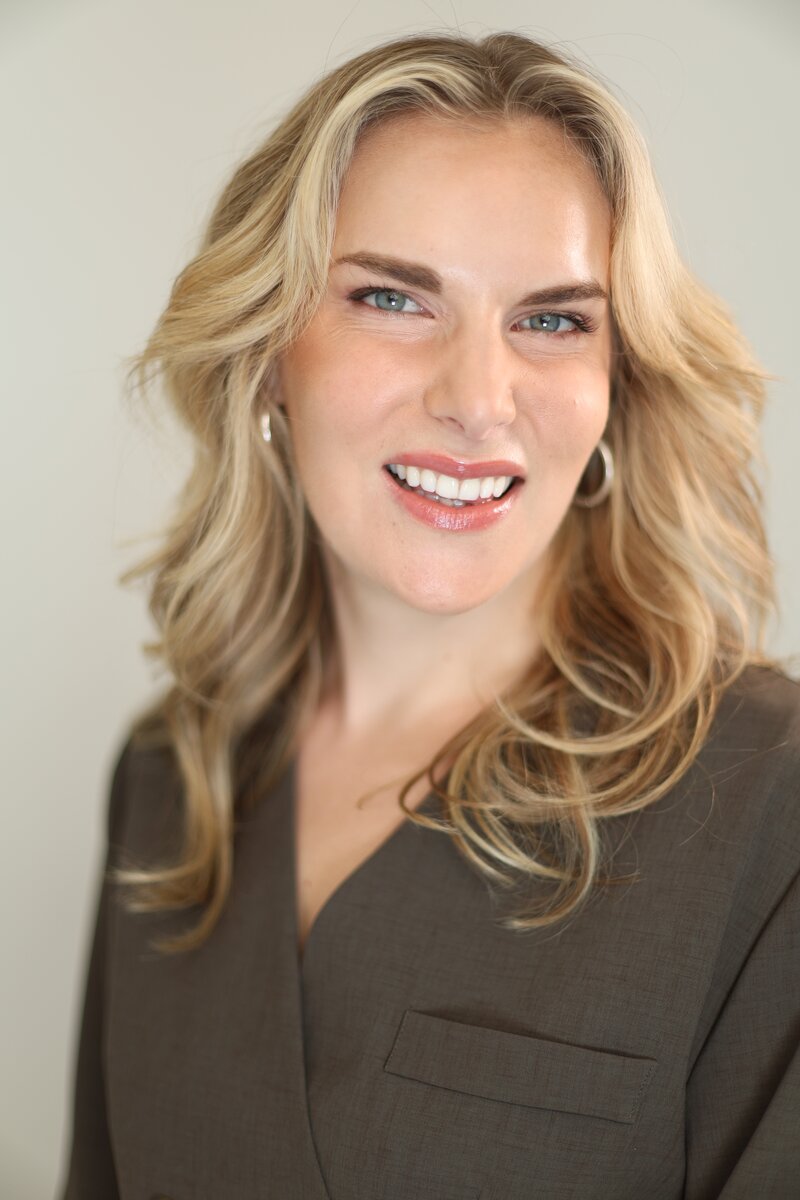
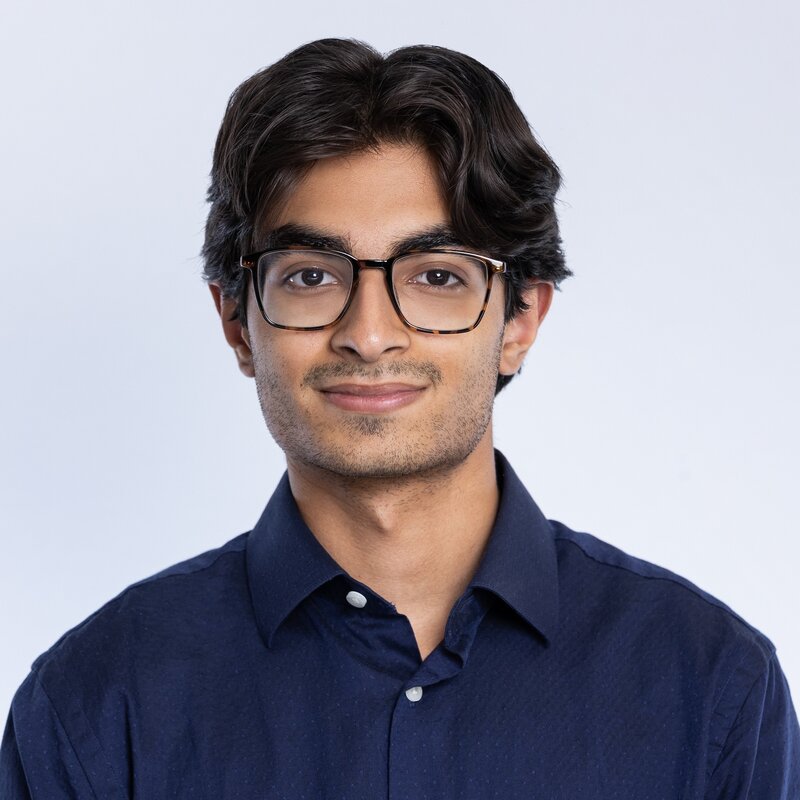
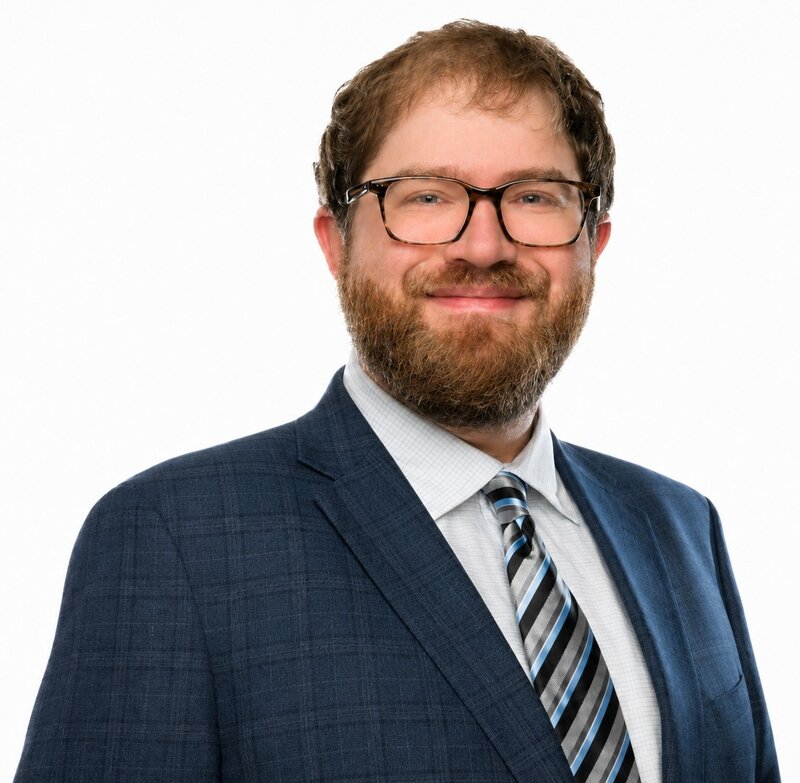
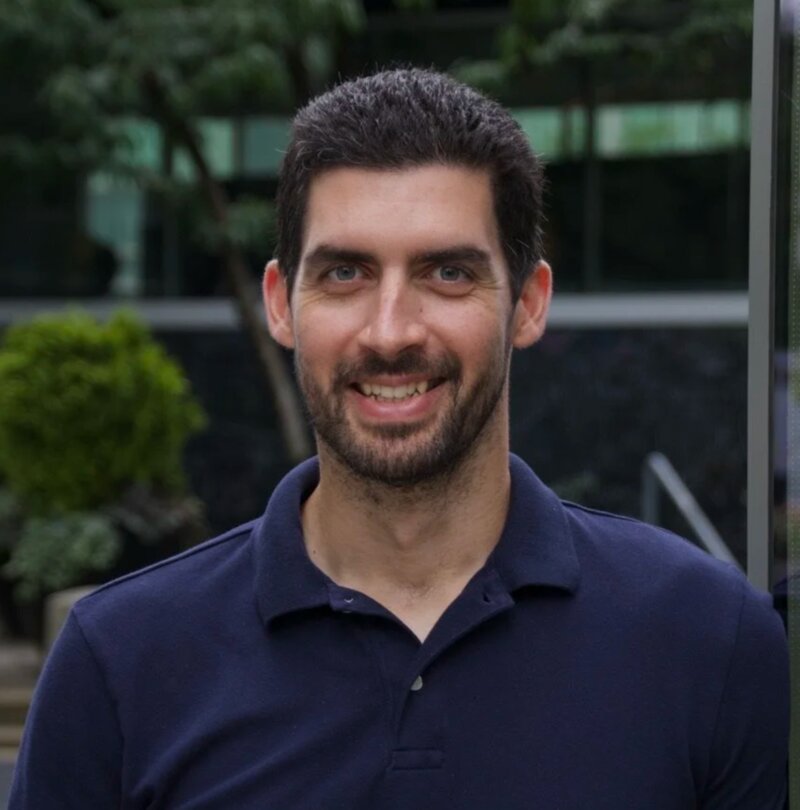
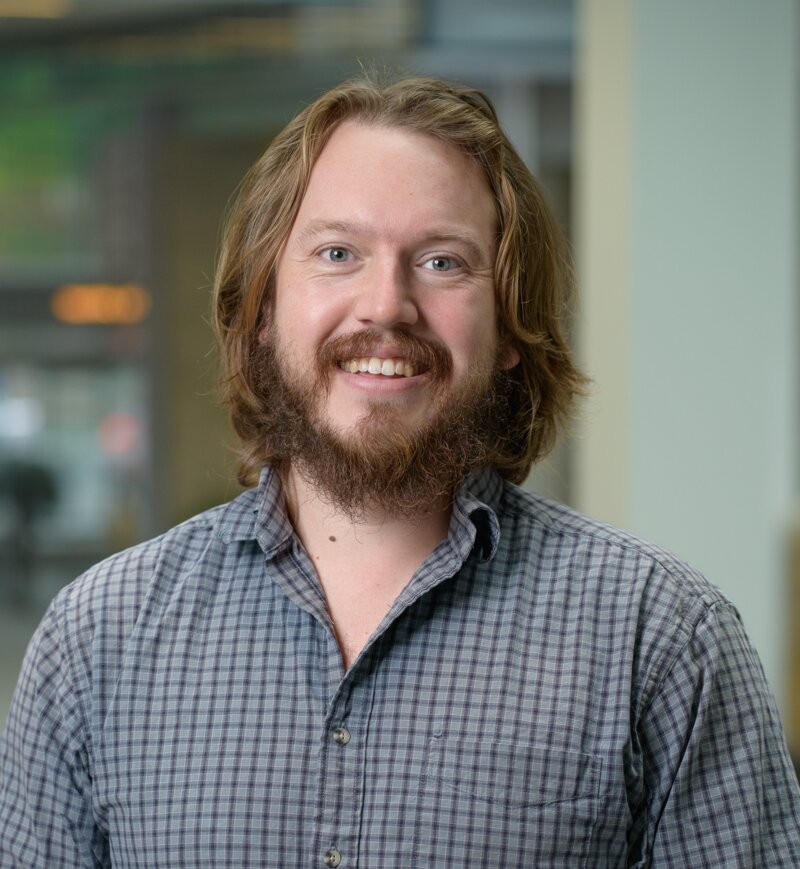
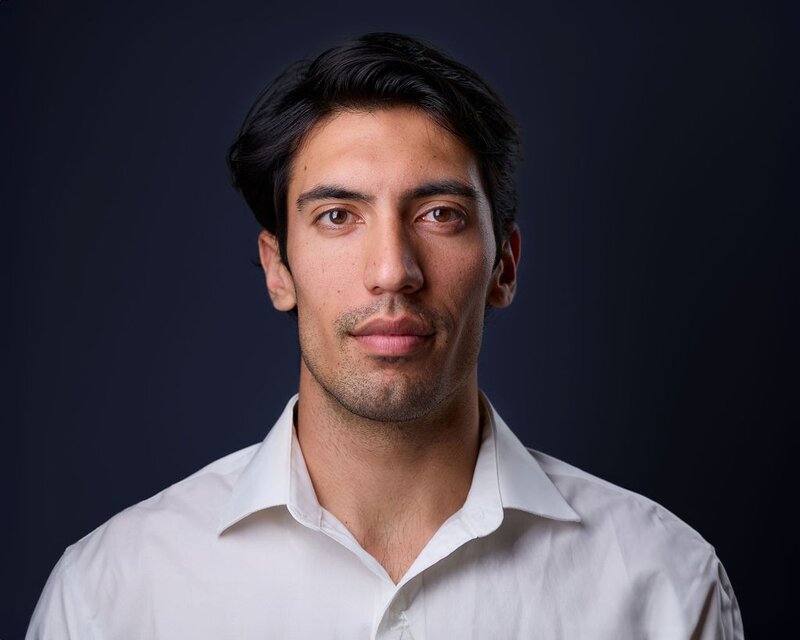
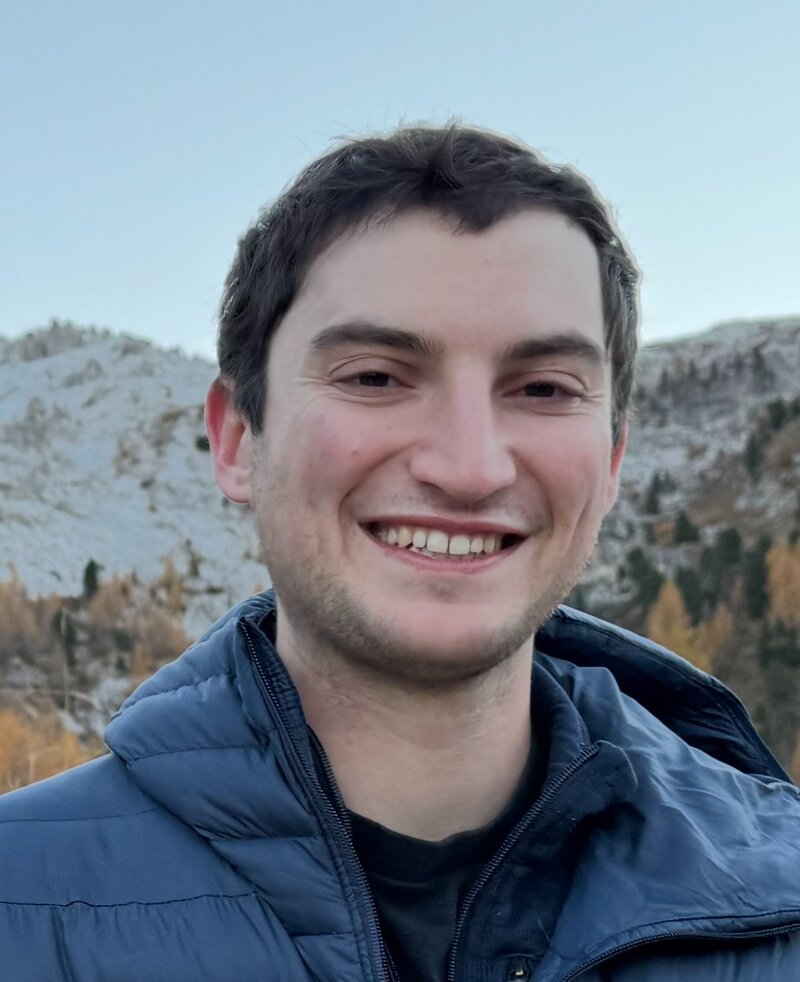
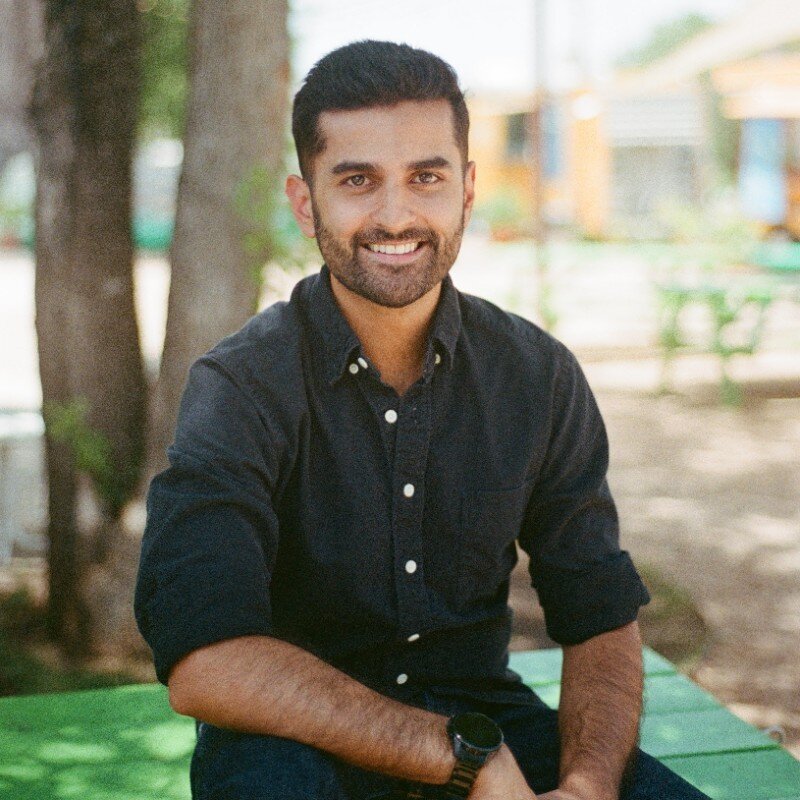
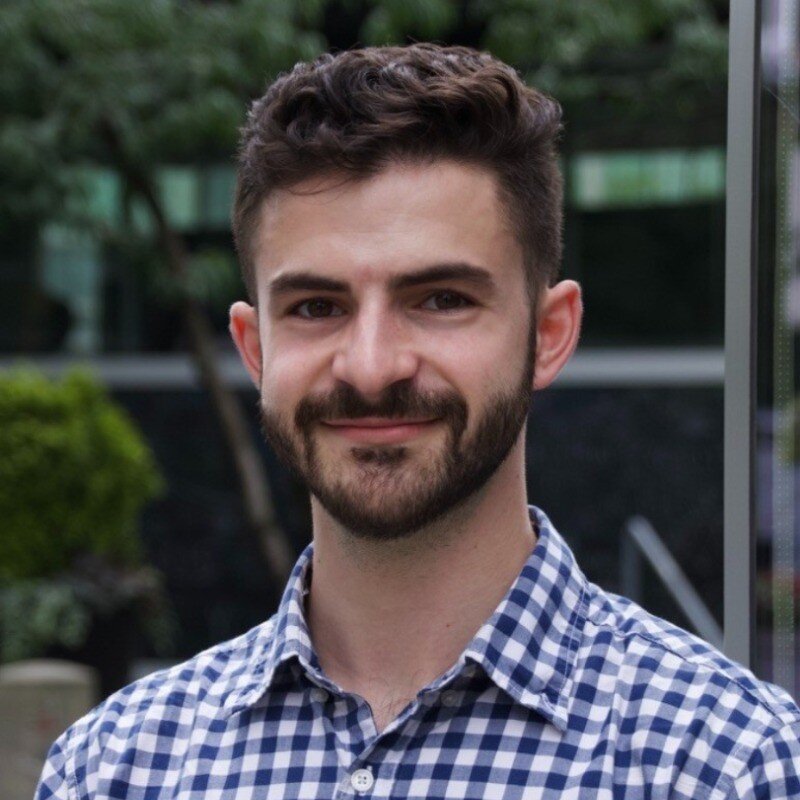
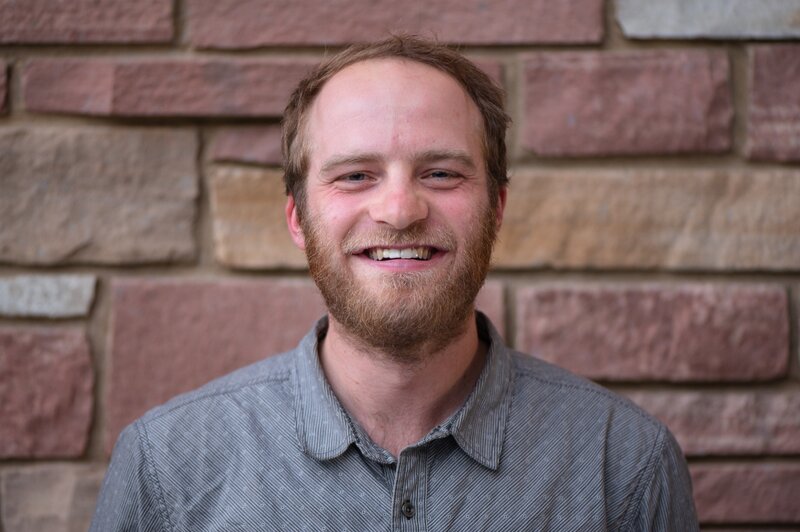


Daniel is working on forecasting detailed AI scenarios with Eli Lifland, Thomas Larsen, Jonas Vollmer, and Romeo Dean.

Thomas is a researcher at the AI Futures Project. He was a co-author on the widely read AI 2027 scenario forecast. He previously founded the Center for AI Policy, an AI safety advocacy organization, and worked on AI safety research at the Machine Intelligence Research Institute.
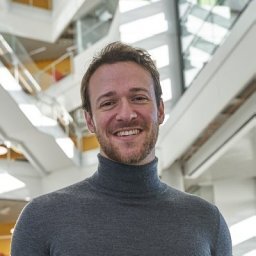
I'm a Member of Technical Staff on the Alignment Science team at Anthropic. I'm currently enabling Claude to automatically audit and detect misalignment.
About me
- I have a PhD in Systems Biology from Harvard. My thesis was on "Sparse Representations in Biological and Artificial Neural Networks" in the Kreiman Lab with support from the NSF Graduate Research Fellowship. I also spent time at the Berkeley Redwood Center for Theoretical Neuroscience as a visiting researcher.
- I graduated from Duke University in May 2020 with a self-made major in "Minds and Machines: Biological and Artificial Intelligence". I was lucky to attend as a Robertson Scholar, which provided full funding during all four years, including summer experiences.
- At Duke, I spent a year doing research in Dr. Michael Lynch's Lab attempting to use machine learning to design new CRISPR guide RNAs for safer, more effective genome editing. Afterwards, I was affiliated with Dr. Debora Marks's Lab at Harvard Medical School applying deep learning to protein design. I also contributed to the IARPA Fun GCAT and DARPA Biostasis programs.
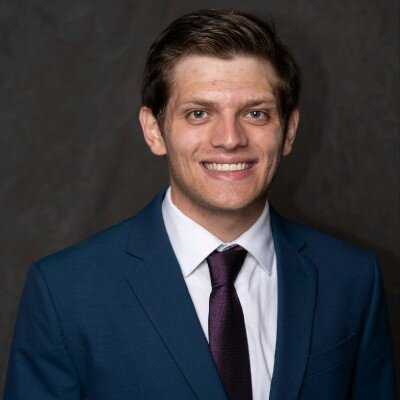
Tyler is an AI Safety Researcher and member of technical staff at Redwood Research.
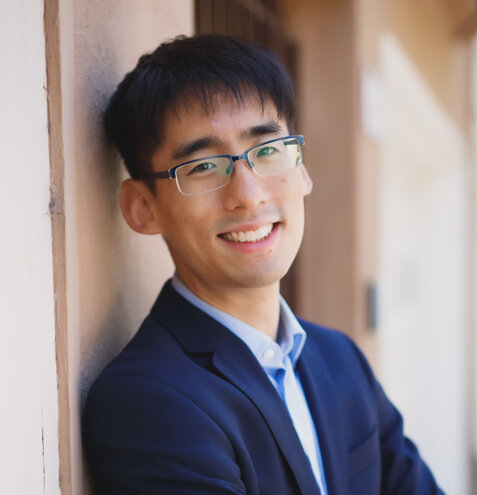
Daniel is a professor of computer science at UIUC, where he studies the progress of AI, with a particular focus on dangerous capabilities of AI agents. His work includes:
- CVE-Bench, an award winning benchmark (SafeBench award, ICML spotlight) that is used by frontier labs and governments to measure AI agents' ability to find and exploit real-world vulnerabilities.
- Agent Benchmark Checklist, an award winning work (Berkeley AI summit, 1st place Benchmarks & Evaluations track) that highlights major issues in existing benchmarks.
- InjecAgent, one of the first AI agent safety benchmarks, used by governments and major labs.

Sara Price leads Alignment Training at Anthropic. Sara's research focuses on alignment training that generalizes reliably, including methods for reducing agentic misalignment.

Roger Grosse is an associate professor of computer science at the University of Toronto and a member of Anthropic’s Alignment Science team, where he works on training data attribution. He earned his PhD in computer science from MIT.
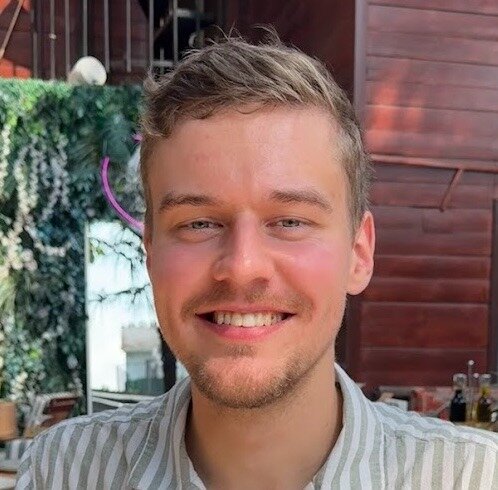
I am a principal investigator at the ELLIS Institute Tübingen and the Max Planck Institute for Intelligent Systems, where I lead the AI Safety and Alignment group. I also serve as chapter lead for the new edition of the International AI Safety Report chaired by Prof. Yoshua Bengio. I have worked on AI safety with leading organizations in the field (OpenAI, Anthropic, UK AI Safety Institute, Center for AI Safety, Gray Swan AI). I obtained my PhD in machine learning from EPFL in 2024 advised by Prof. Nicolas Flammarion. My PhD thesis was awarded the Patrick Denantes Memorial Prize for the best thesis in the CS department of EPFL and was supported by the Google and Open Phil AI PhD Fellowships.
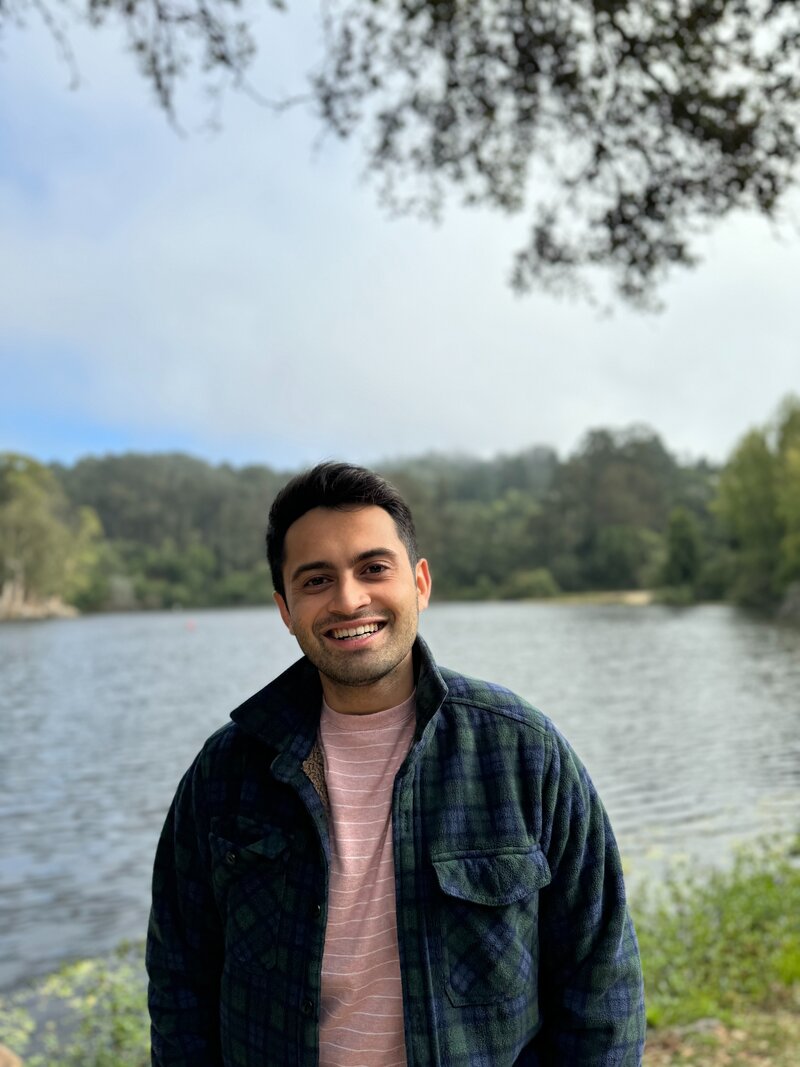
Neev likes to make computers do interesting things, deeply understand concepts and build interesting, useful tools. He is currently thinking about AI alignment, control, and evaluations, and work with frontier models at METR.
Recent work done involves MALT, training models to fool monitors in QA settings and RE-Bench. Neev previously worked at Stripe and CSM, and did a concurrent BSc/MSc in Computer Science at Brown.
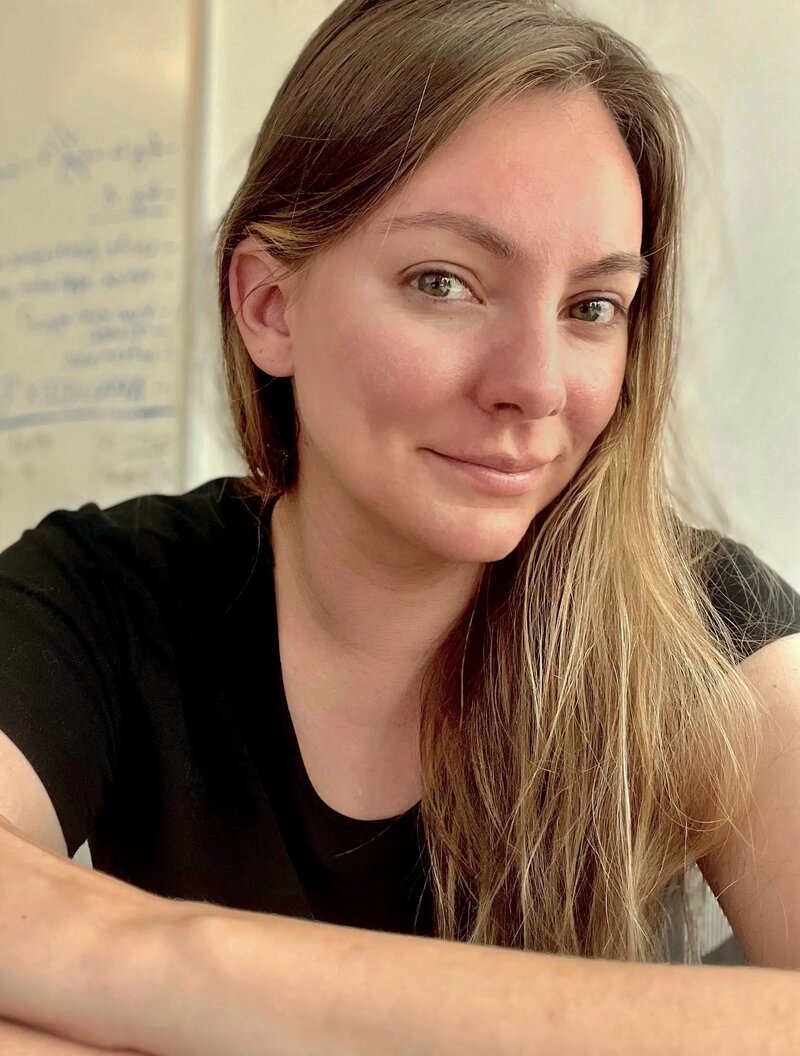
I’m a Research Scientist in MIT CSAIL with the MIT-IBM Watson AI Lab. I did my PhD in Brain and Cognitive Sciences at MIT, as an NSF Fellow working with Josh Tenenbaum and Antonio Torralba. My work investigates representations underlying intelligence in artificial (and previously, biological) neural networks.