MATS mentors are advancing the frontiers of AI alignment, transparency, and security
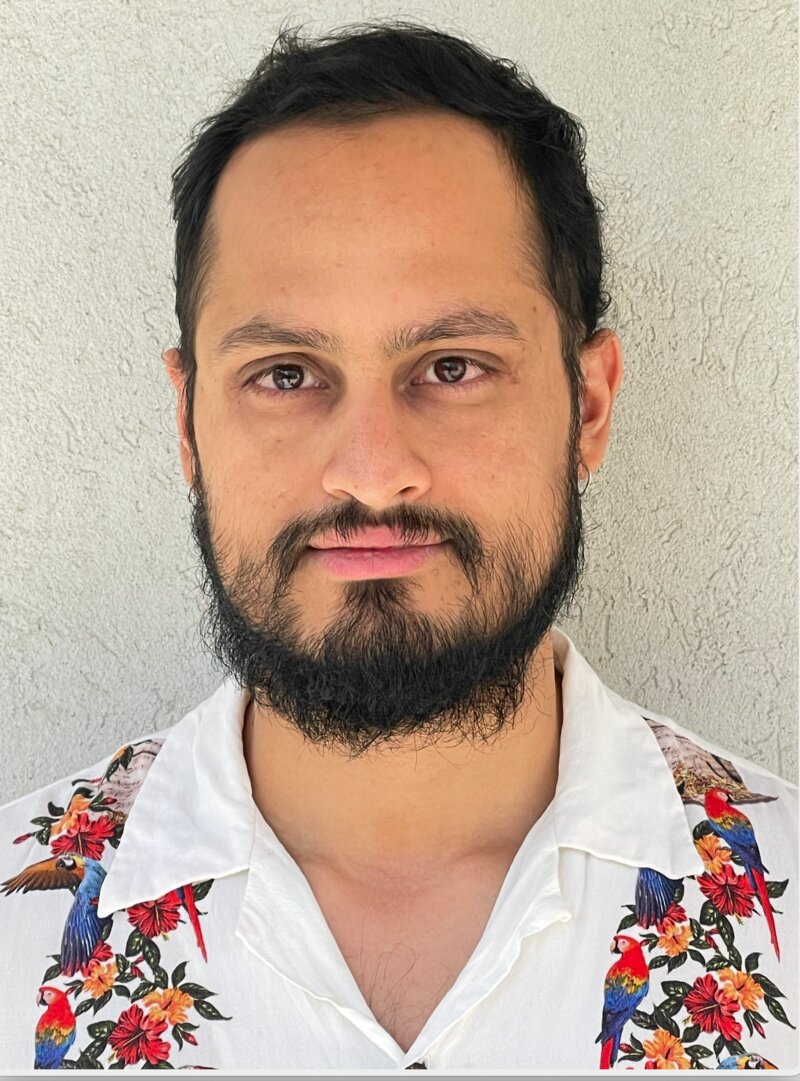
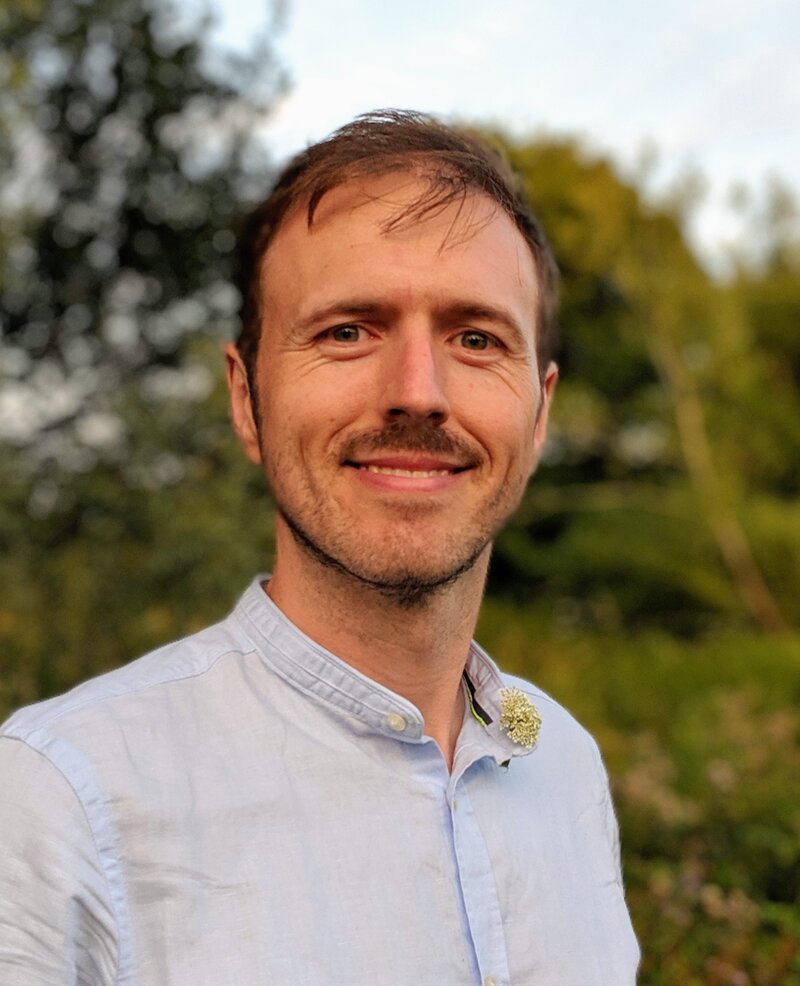
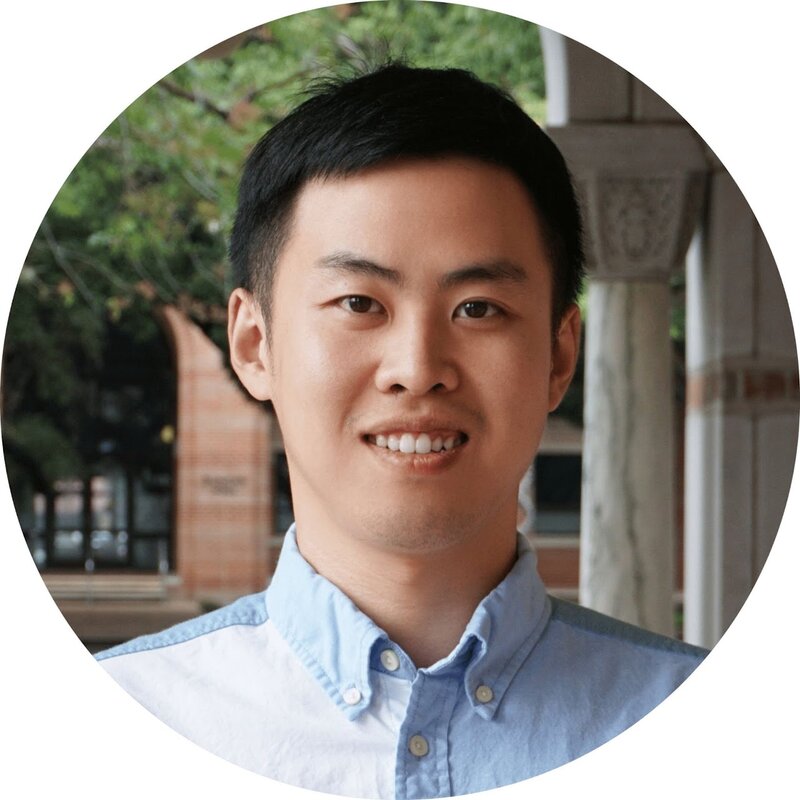
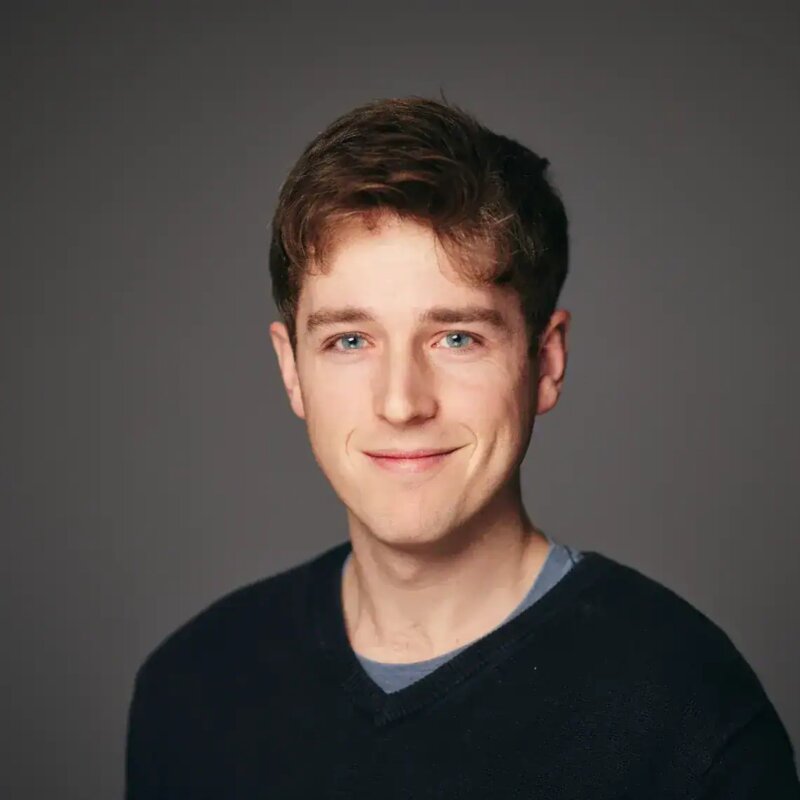
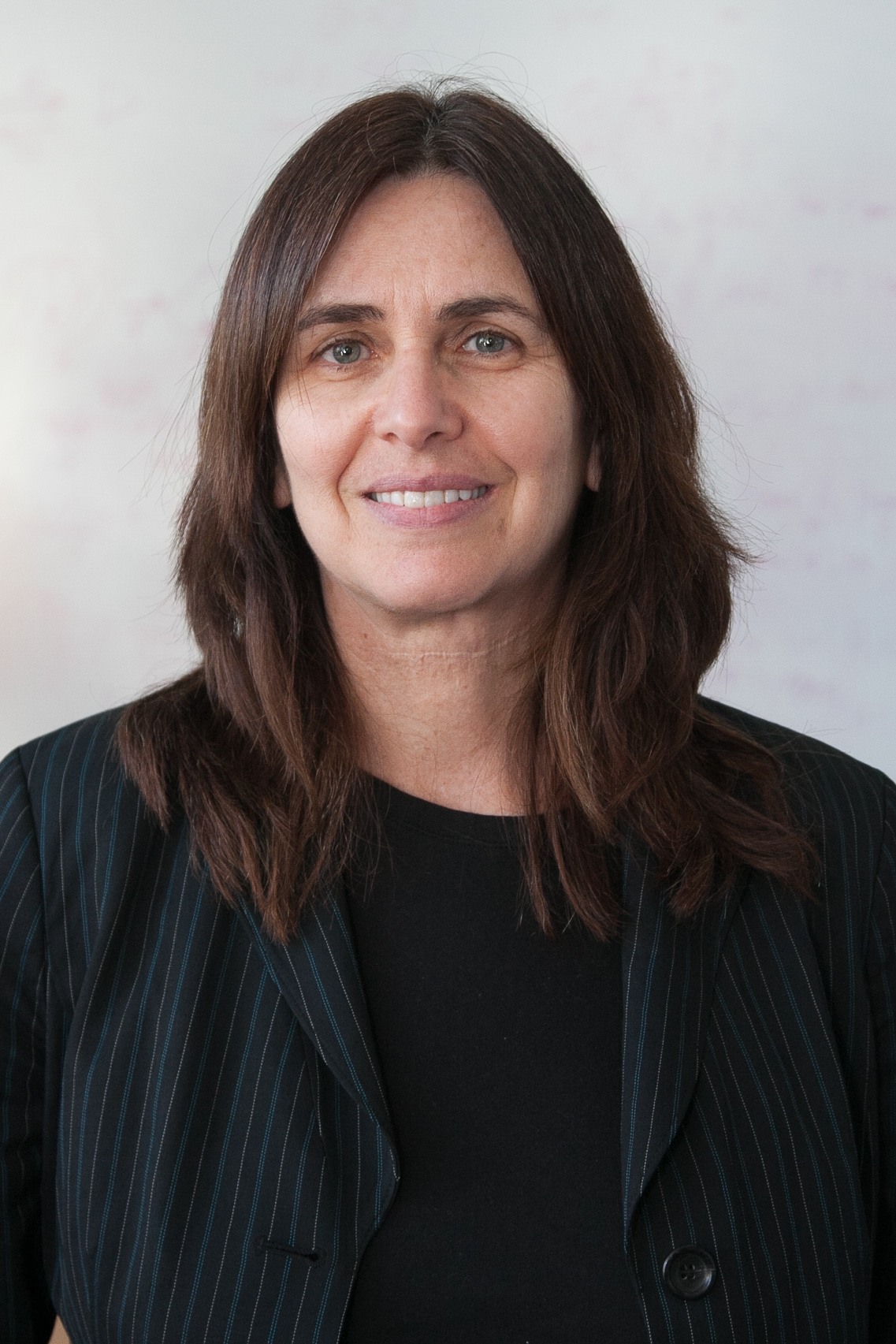
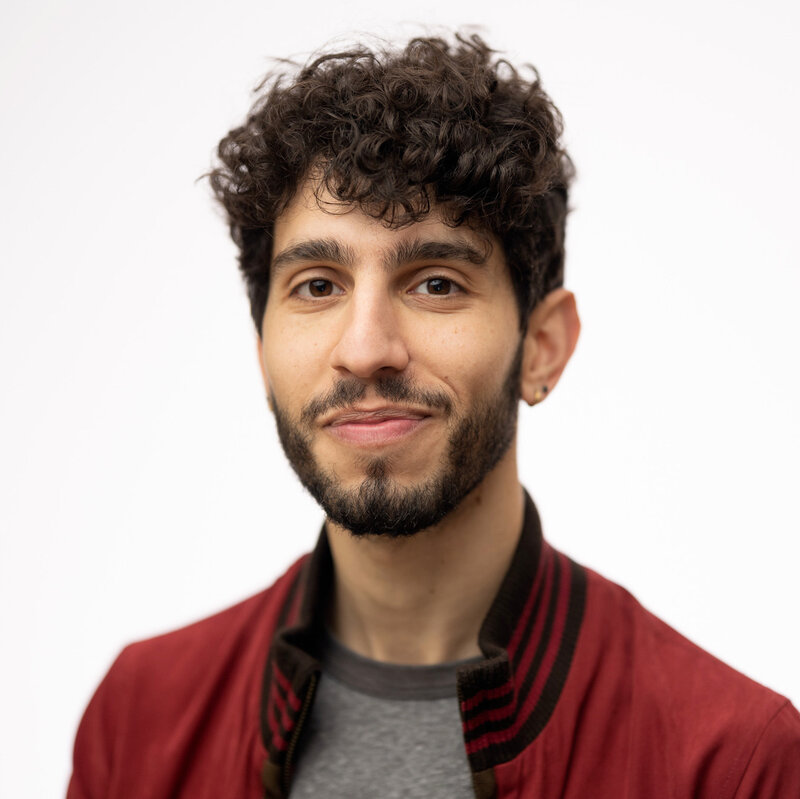
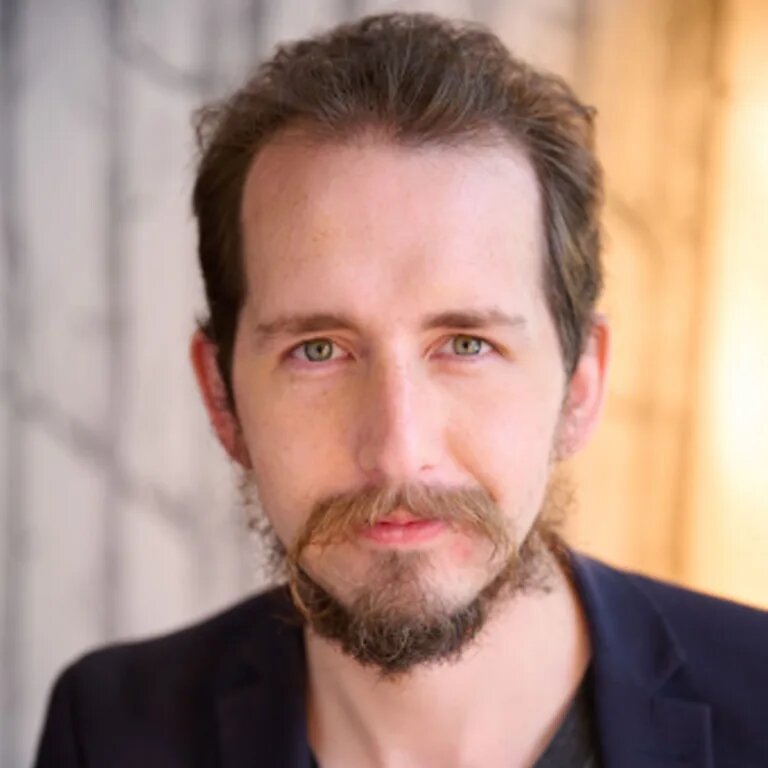

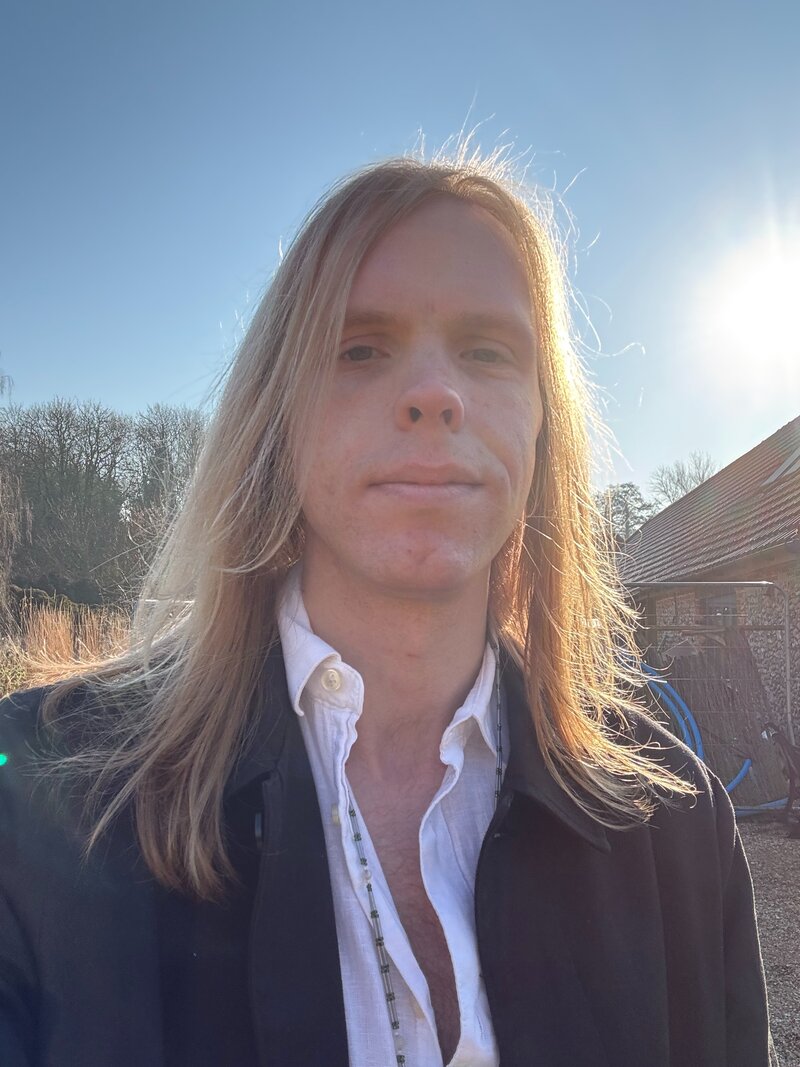
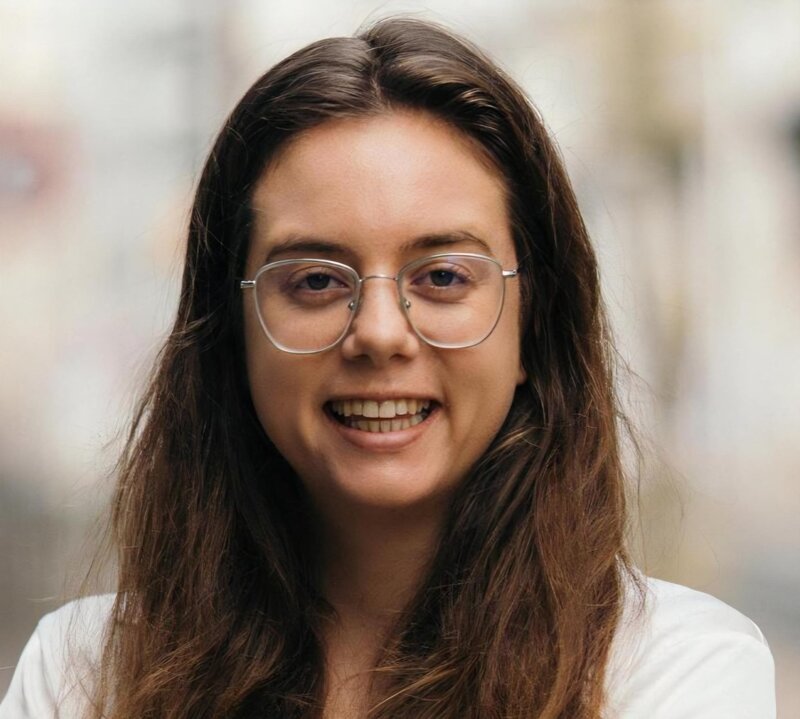

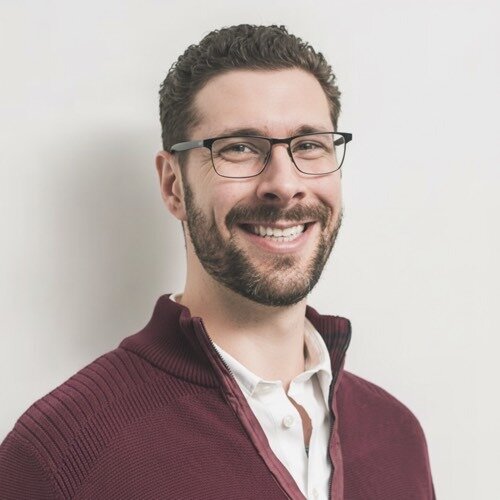
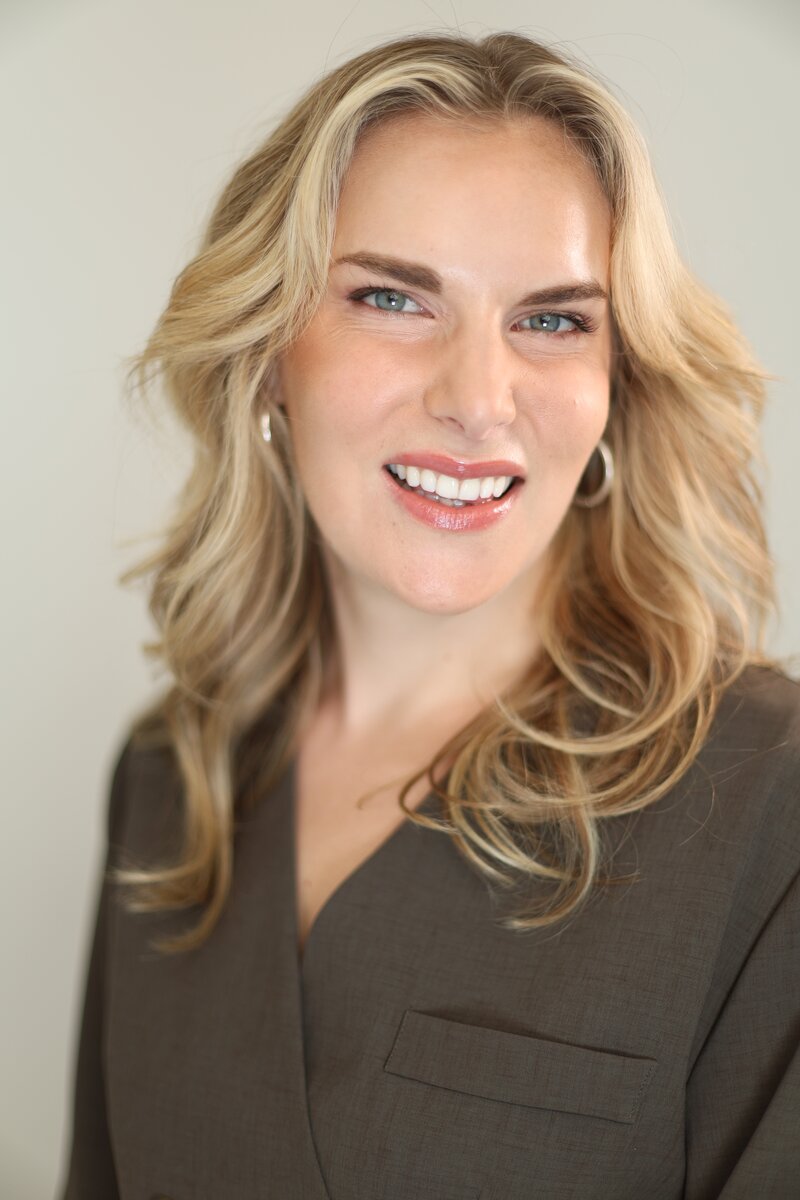
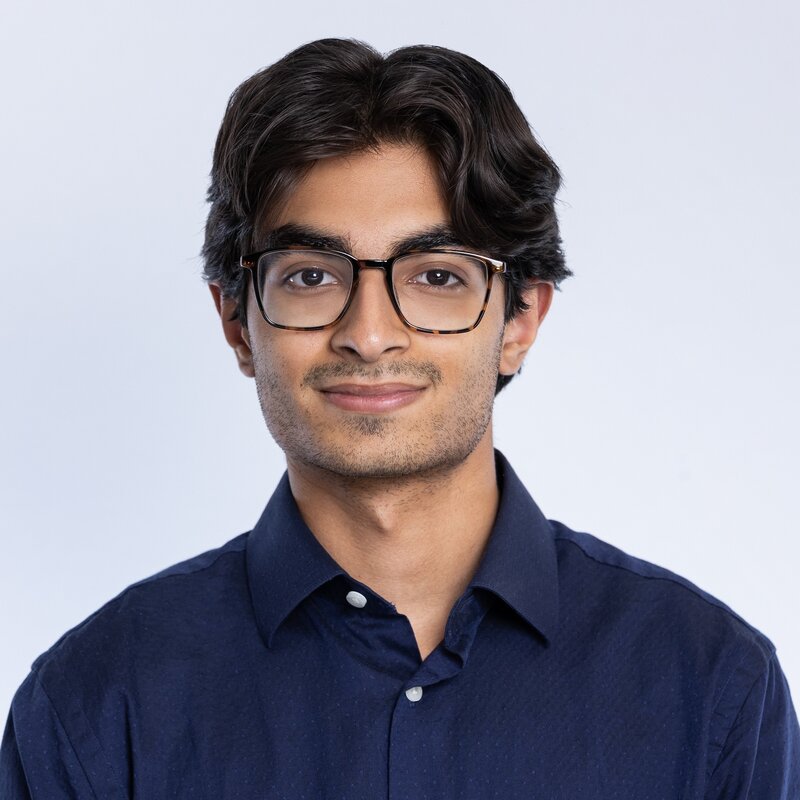
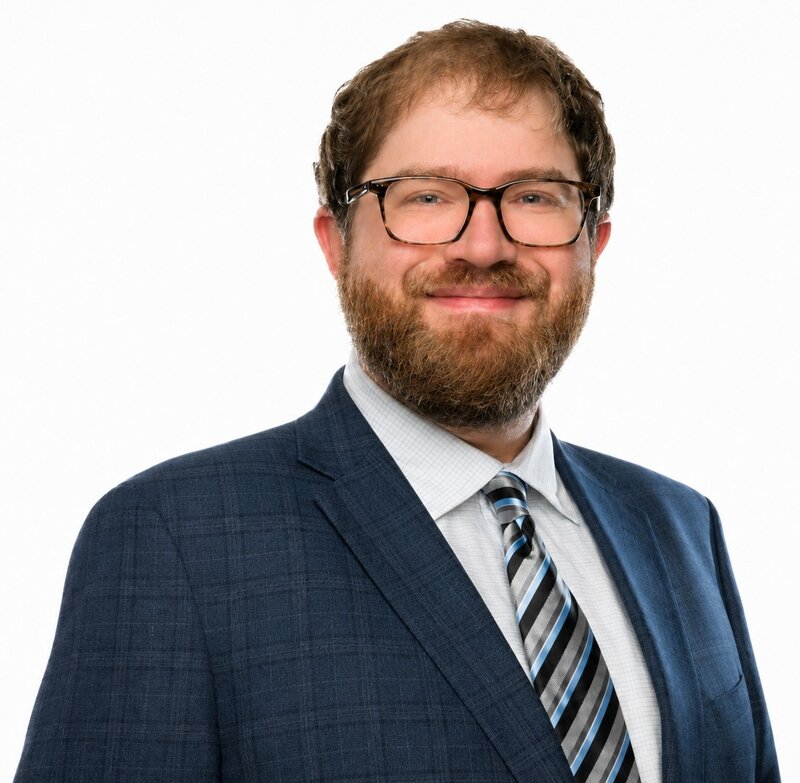
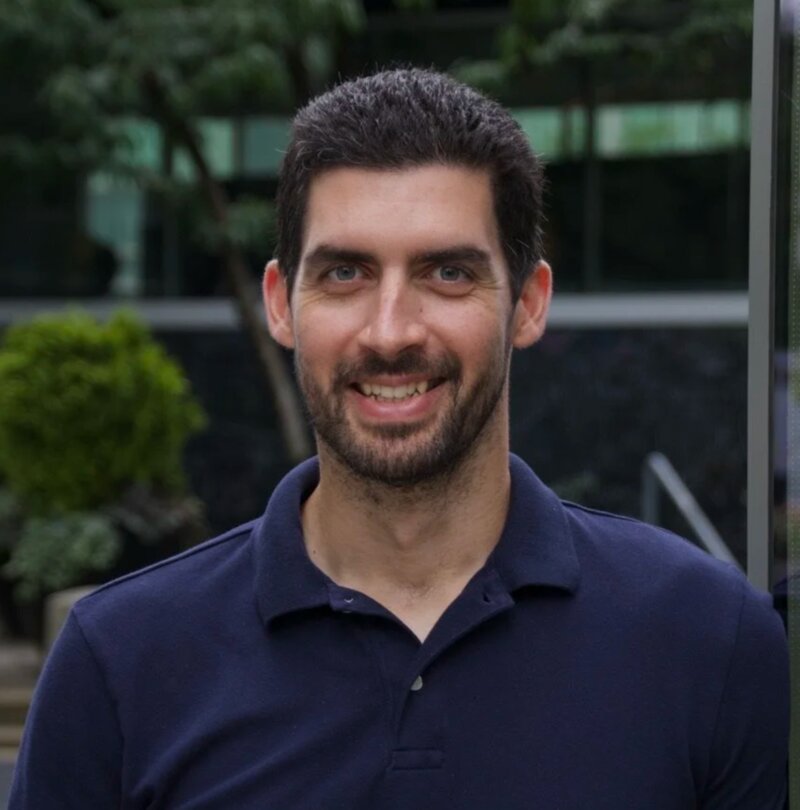
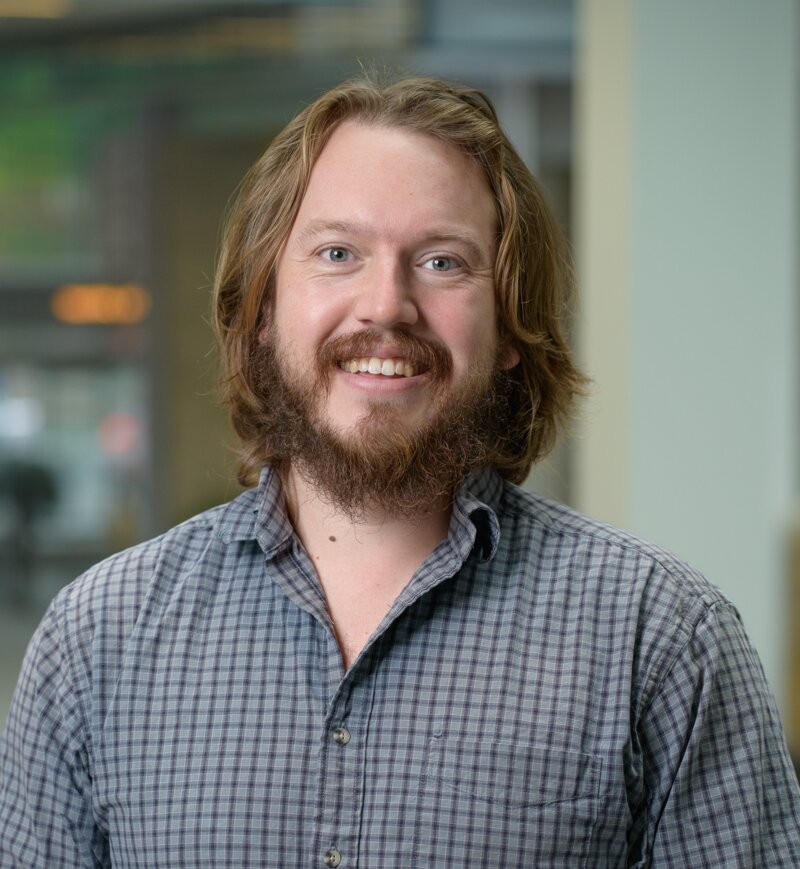
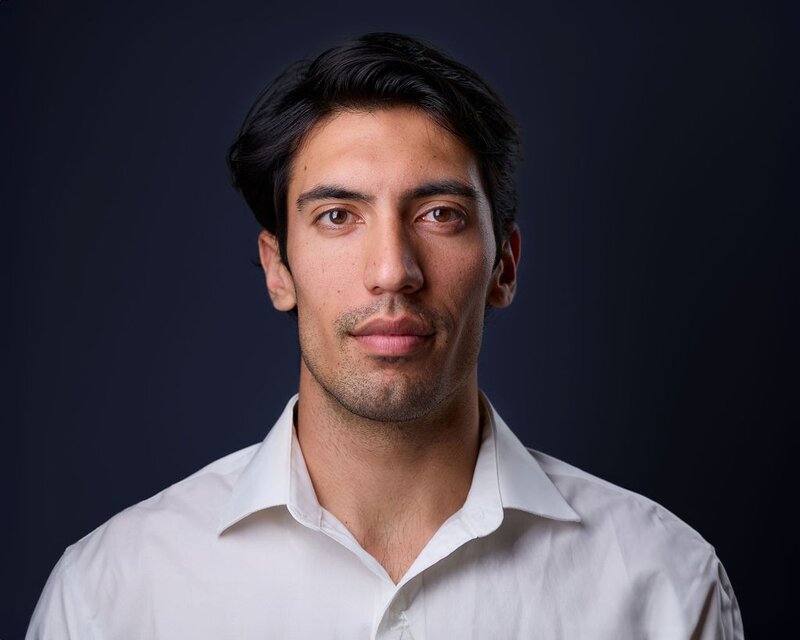
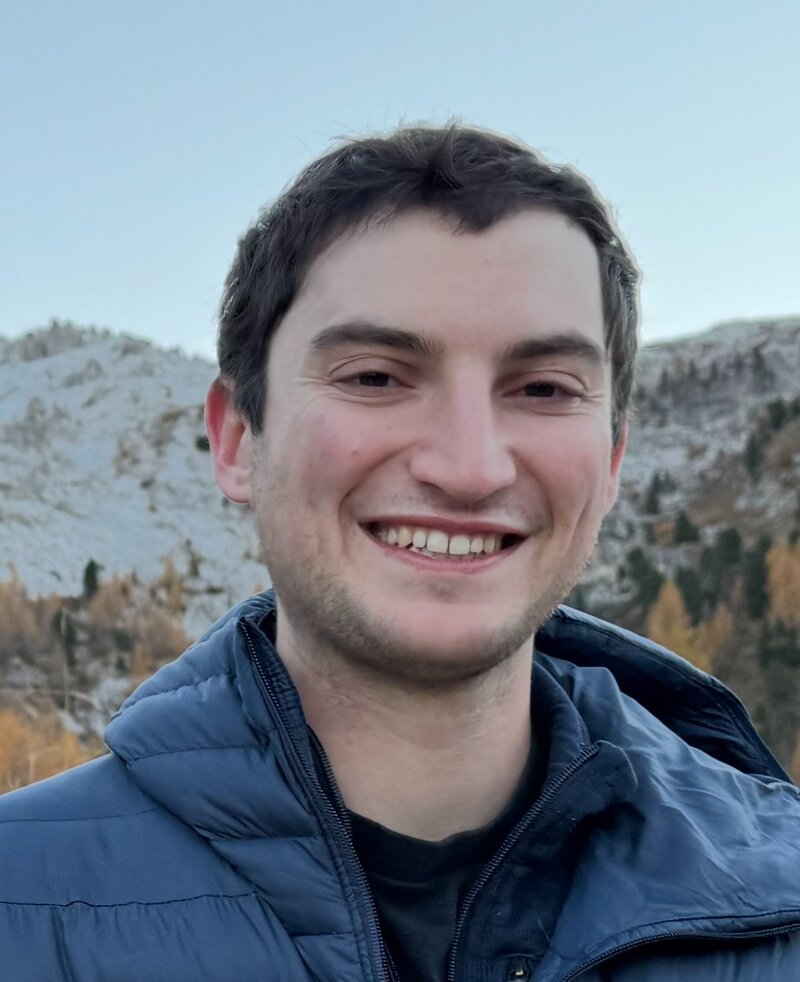
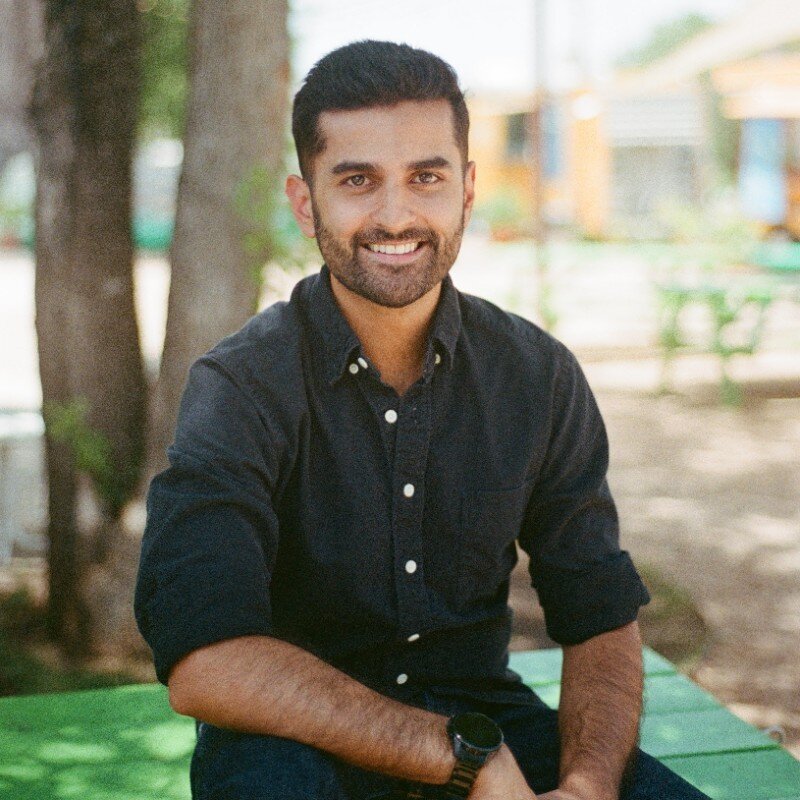
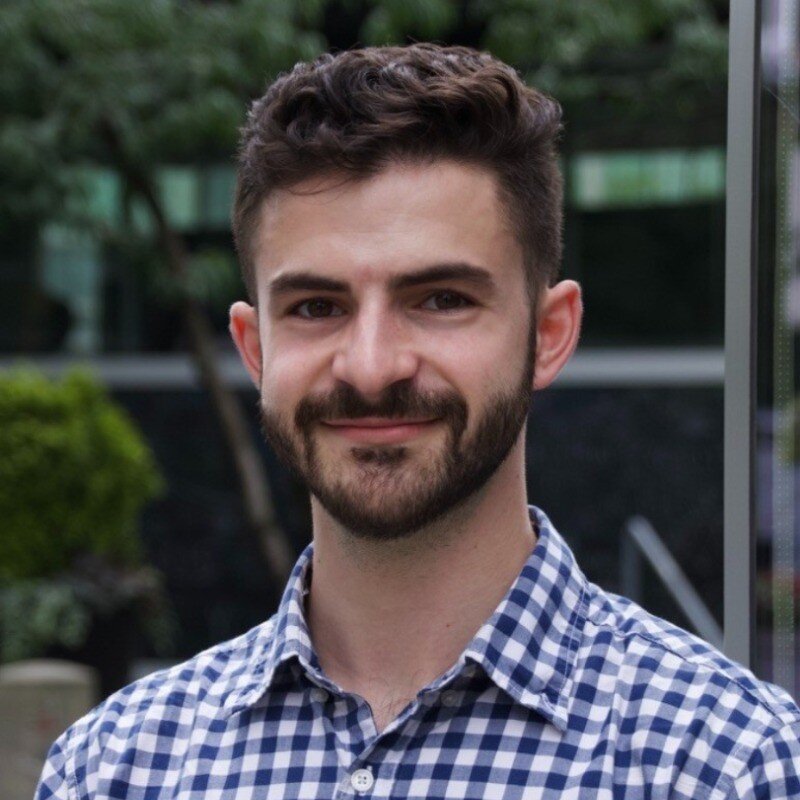
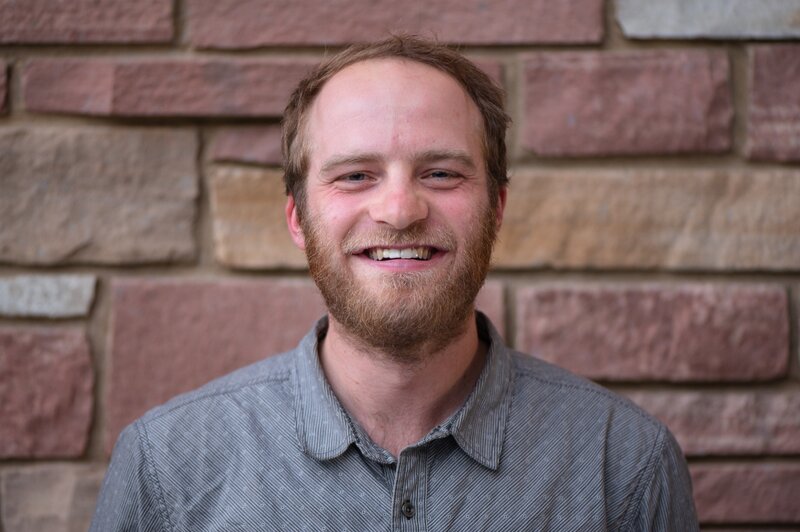
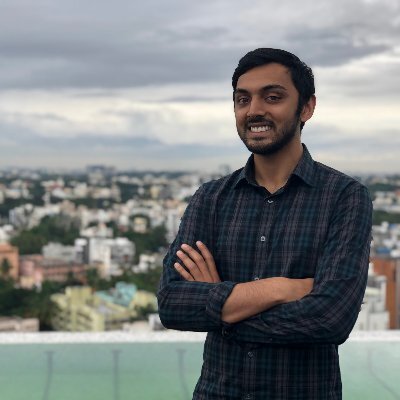
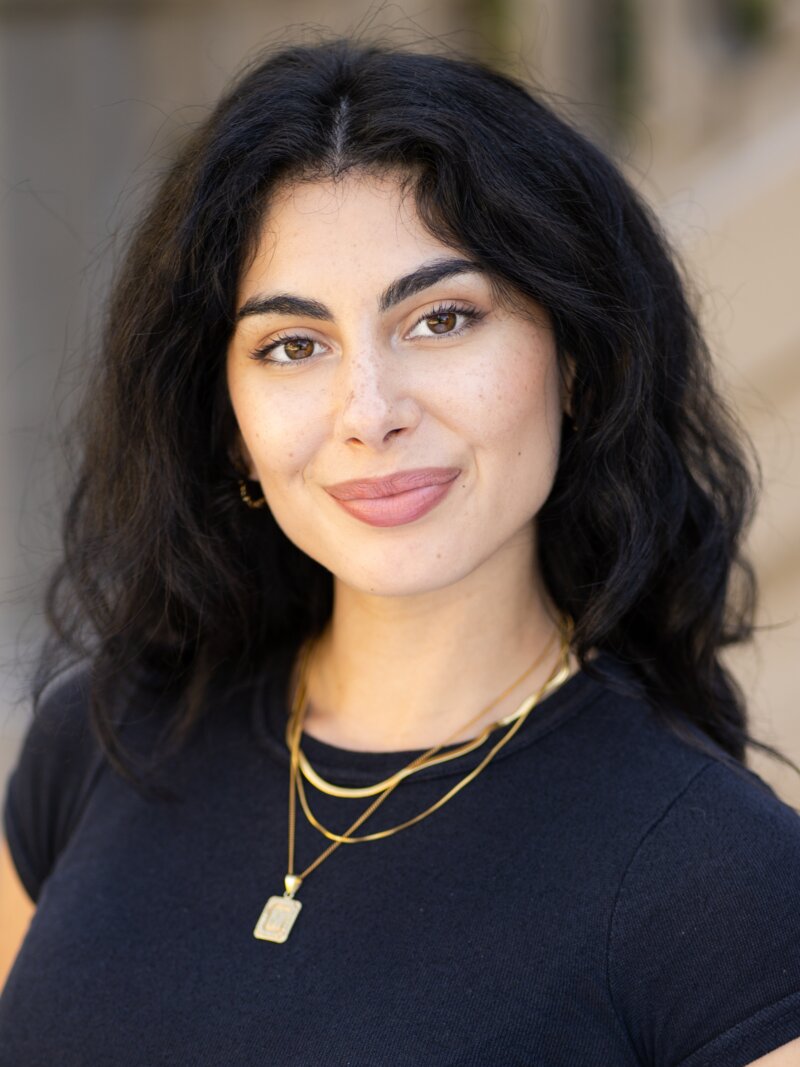
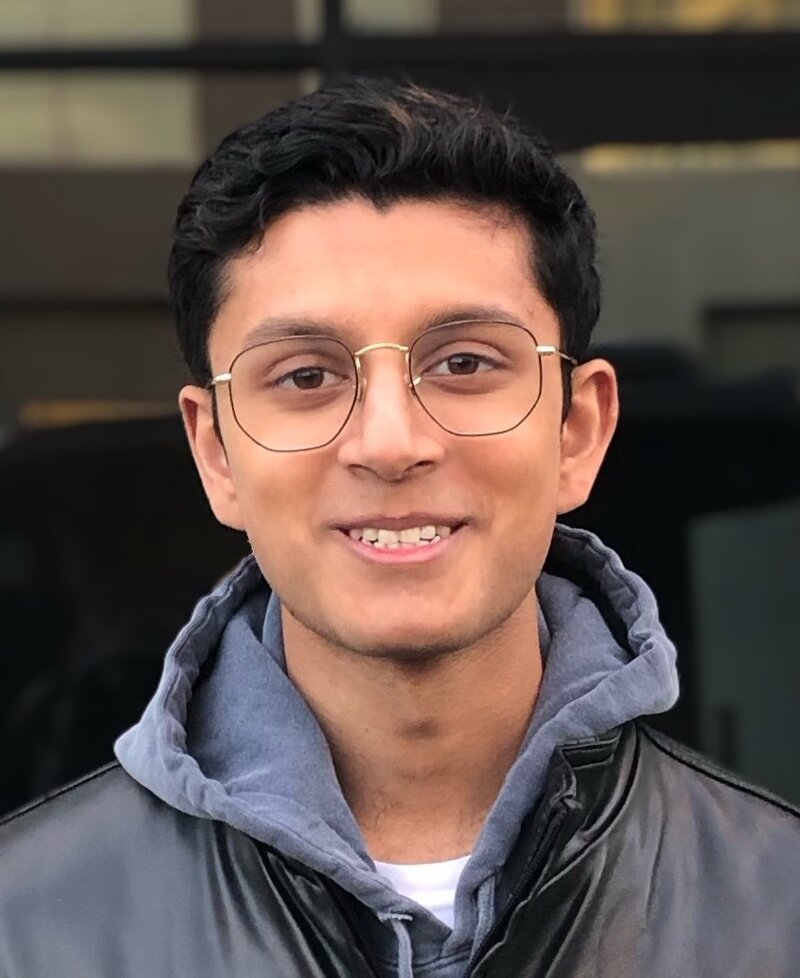
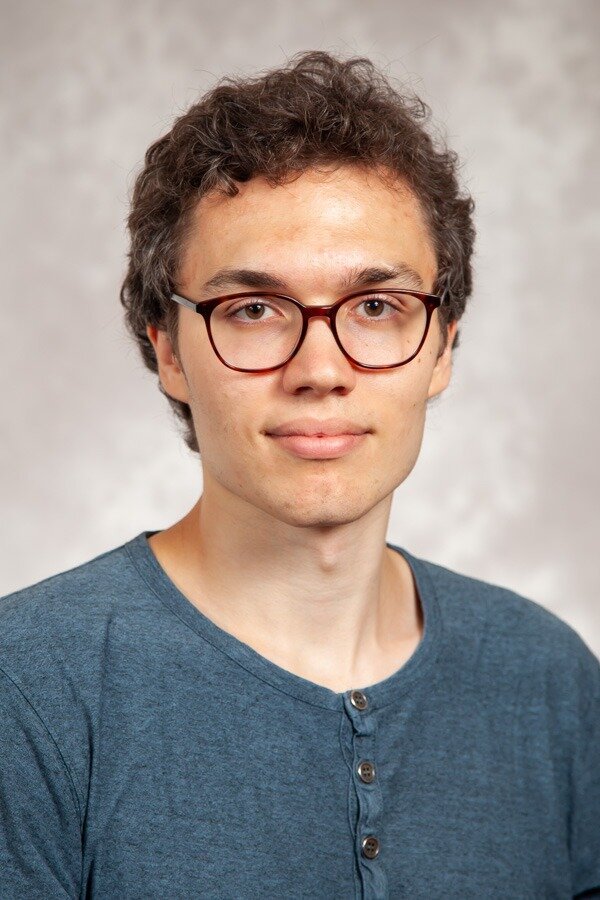
Samuel Hammond is director of Artificial Intelligence Policy and chief economist at the Foundation for American Innovation, where his research focuses on artificial intelligence and the institutional impact of emerging technologies. He previously worked as the director of social policy for the Niskanen Center, where he remains a senior fellow; as an economist for the Government of Canada specializing in regional economic development; and as a graduate research fellow for the Mercatus Center at George Mason University.
Sam received a BA in economics from Saint Mary’s University and an MA in economics from George Mason University and Carleton University.
Rhys is the research director of Arrow: a new AI safety non-profit based in London.
He is currently most excited about working on alignment science (e.g., model organisms research) and technical governance style work which reduces public uncertainty regarding important questions (e.g., his recent work on no-CoT time-horizons).
Rhys started working on AGI risk in 2019. He has previously worked at: Redwood Research, LawZero, UK AISI, GovAI, CLR, and the Centre for Assuring Autonomy. He did his PhD in AI Deception at Imperial College London.
Shoshannah Tekofsky is a member of technical staff at Sage, the nonprofit that runs AI Digest and the AI Village. Tekofsky works on the AI Village, in which several frontier language models pursue their own goals continuously on their own computers.
Nathan Lambert is the founder of a stealth AI lab and currently writing Interconnects AI, a well read technical newsletter on AI models and research. He was recently a Senior Research Scientist and post-training lead at the Allen Institute for AI focusing on building open language models like Olmo. He works to increase transparency and understanding of current AI models and systems by building the open ecosystem.
Previously, he helped build an RLHF research team at HuggingFace. He received his PhD from the University of California, Berkeley working at the intersection of machine learning and robotics. He was advised by Professor Kristofer Pister in the Berkeley Autonomous Microsystems Lab and Roberto Calandra at Meta AI Research. He was lucky to intern at Facebook AI and DeepMind during his Ph.D. Nathan was awarded the UC Berkeley EECS Demetri Angelakos Memorial Achievement Award for Altruism for his efforts to better community norms.
Coleman Breen works at SecureBio on technical evaluations of coding agents, EU AI Act implementation, and policymaker engagement. Before SecureBio, Breen was a fellow at the Johns Hopkins Center for Health Security working on AIxBio policy.
Peter Peneder is a research scientist on SecureBio's AI & Biotechnology Risks team, where his work focuses on building evaluations that assess the biorisk posed by frontier AI models. Peneder previously developed multimodal deep learning approaches for biomedical data during a PhD in bioinformatics.
Nelly Mak is a research scientist on SecureBio's AI team, working on AIxBio evaluations and safeguards against AI-enabled biorisks. Mak previously completed a postdoc in the Jolly lab on HIV induction of tissue residency, and holds a PhD on the natural hosts of zoonotic viruses.
Bryce Cai works on bio evaluations as part of SecureBio's AI team. Cai is a co-author of ABC-Bench, a suite of tasks measuring the biosecurity-relevant capabilities of AI agents on DNA design and laboratory automation.
Leonie is a Policy Director at Secure AI Project. Previously, she co-led the General-Purpose AI Code of Practice taskforce at the European AI Office, and before that had various roles at the Centre for the Governance of AI, the Institute for Law & AI, and the German government. Leonie is affiliated with the University of California, Berkeley, and has a background in law.
Jacob Kaffey is a Research Engineer at SecureBio with a background in Genetics and Computer Science, specializing in applying machine learning to healthcare. Diverse experience in data engineering, MLOps, and industry research.