MATS mentors are advancing the frontiers of AI alignment, transparency, and security
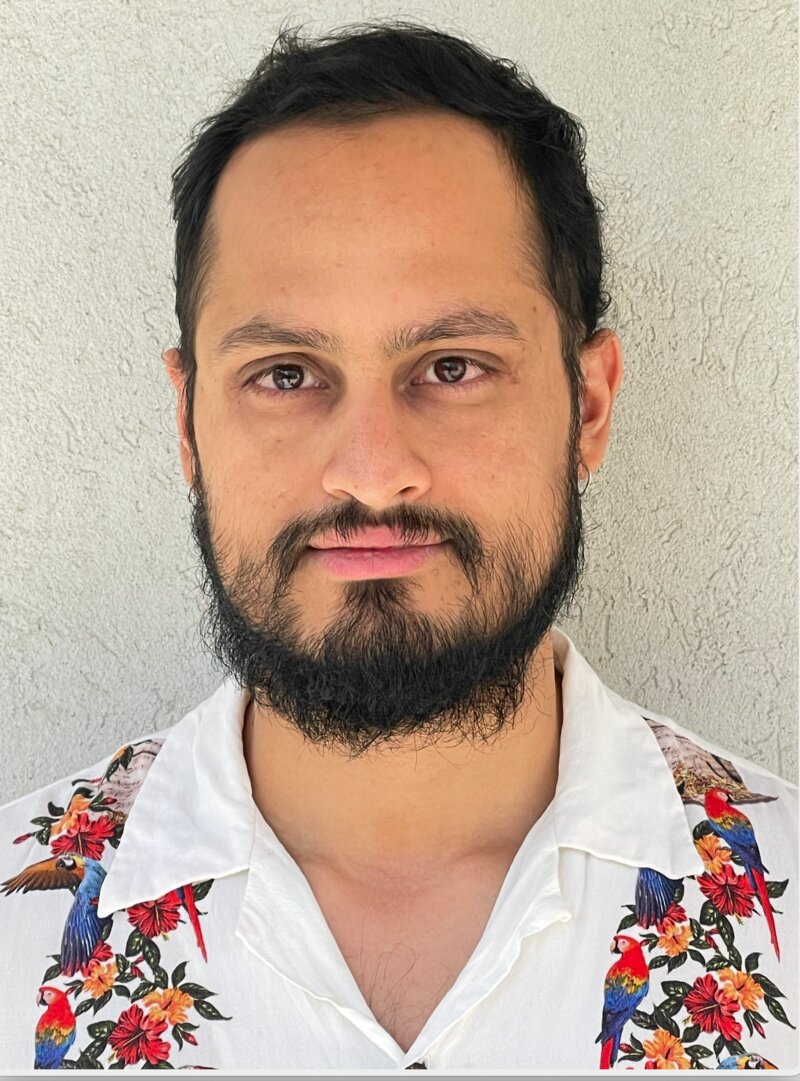
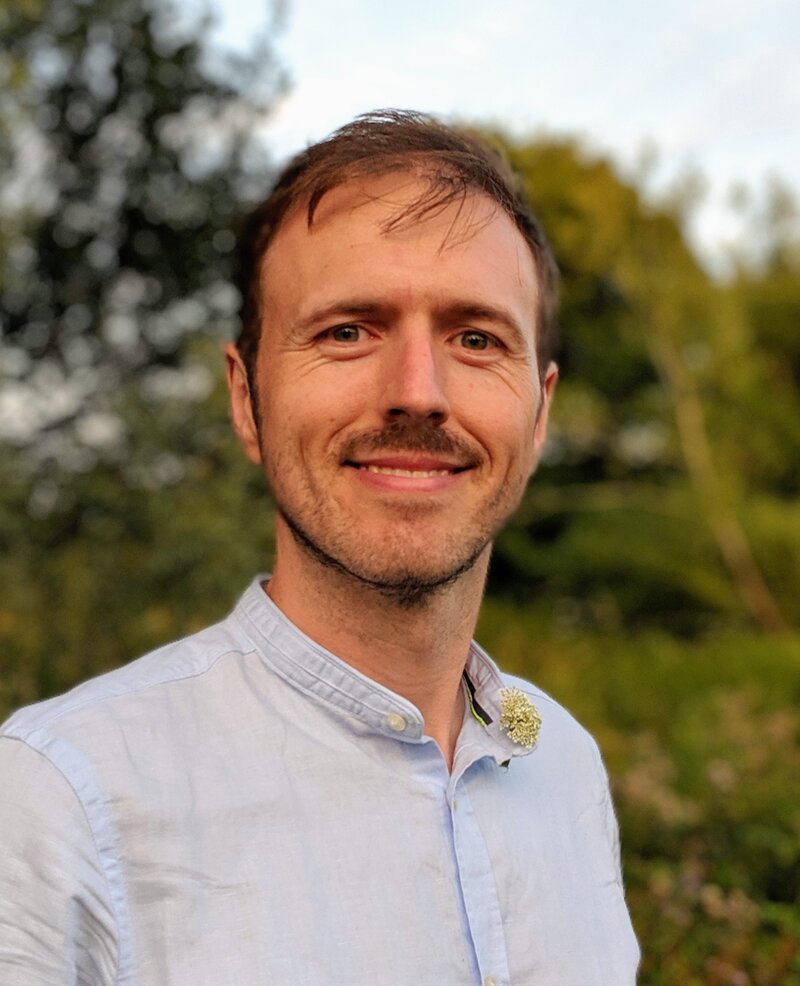
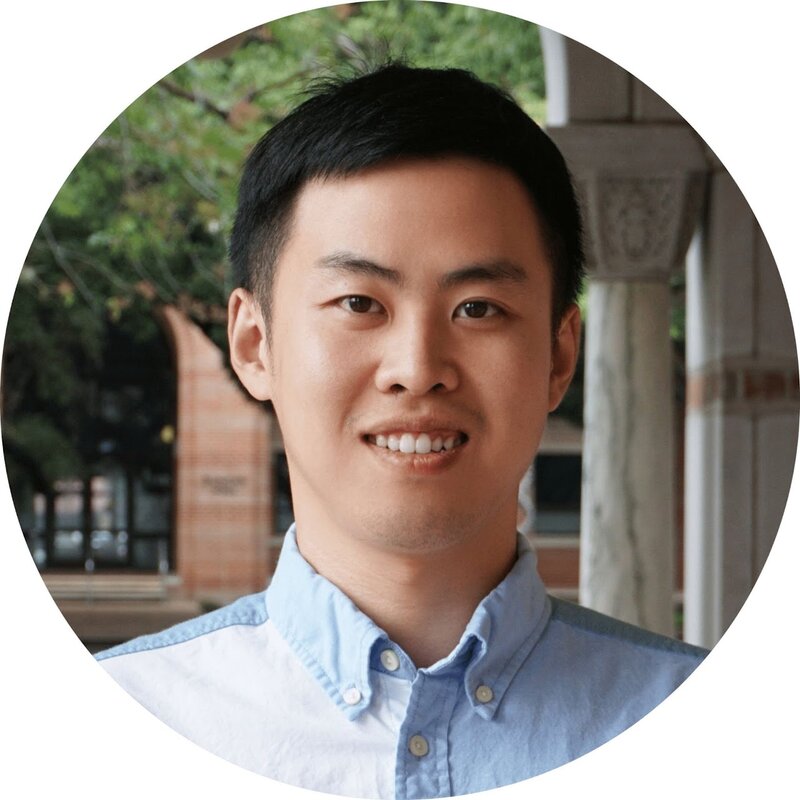
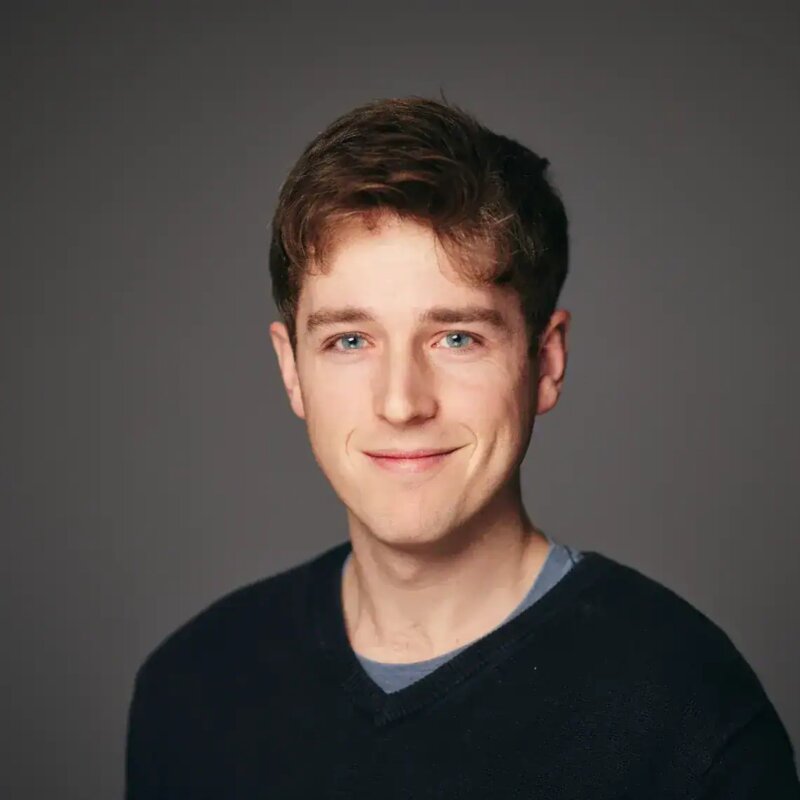
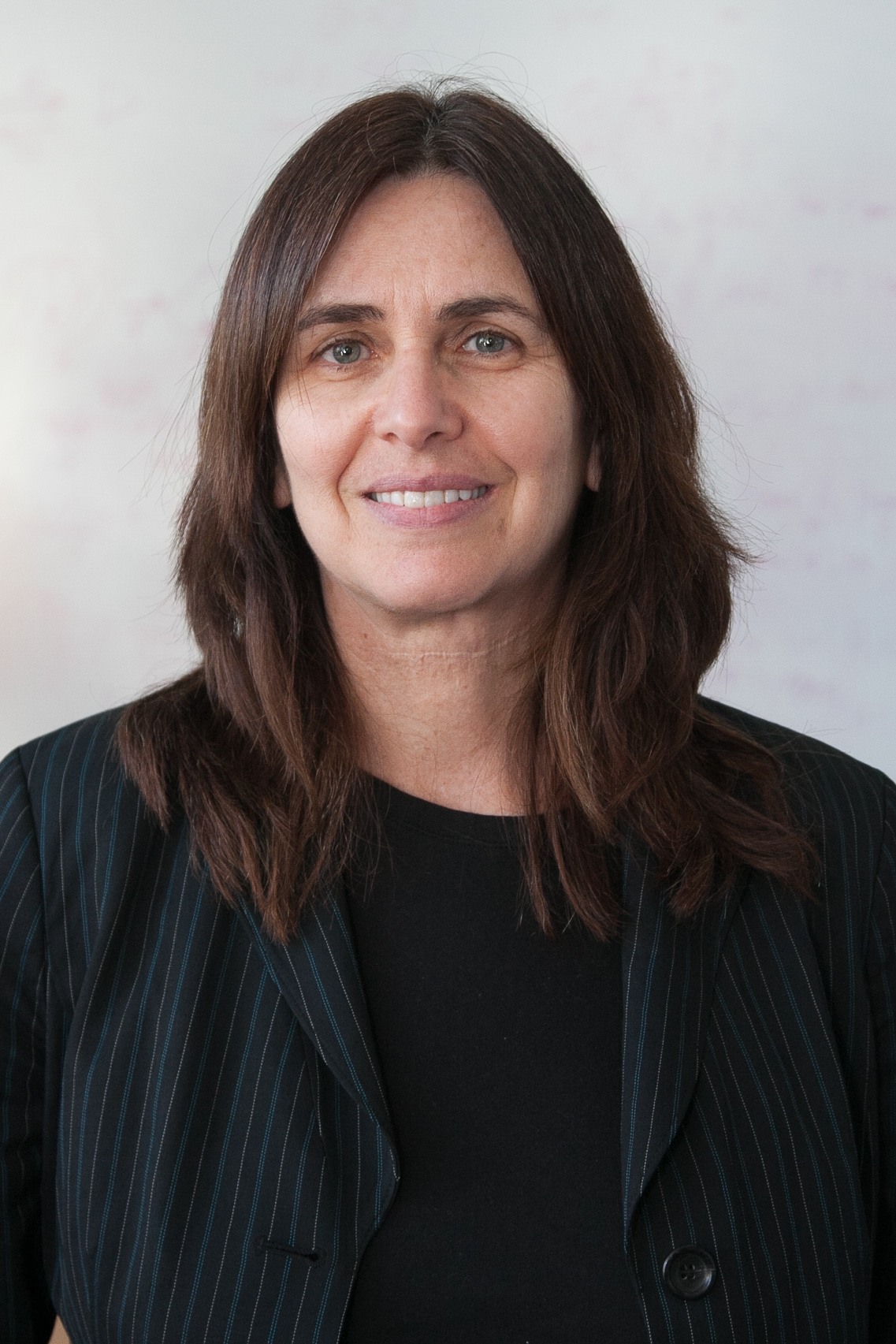
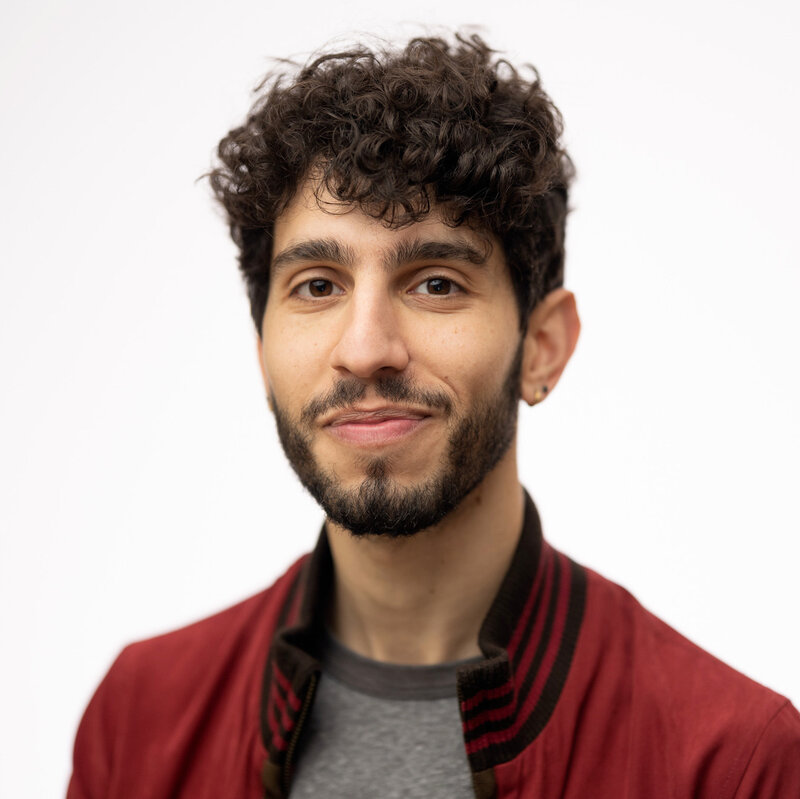
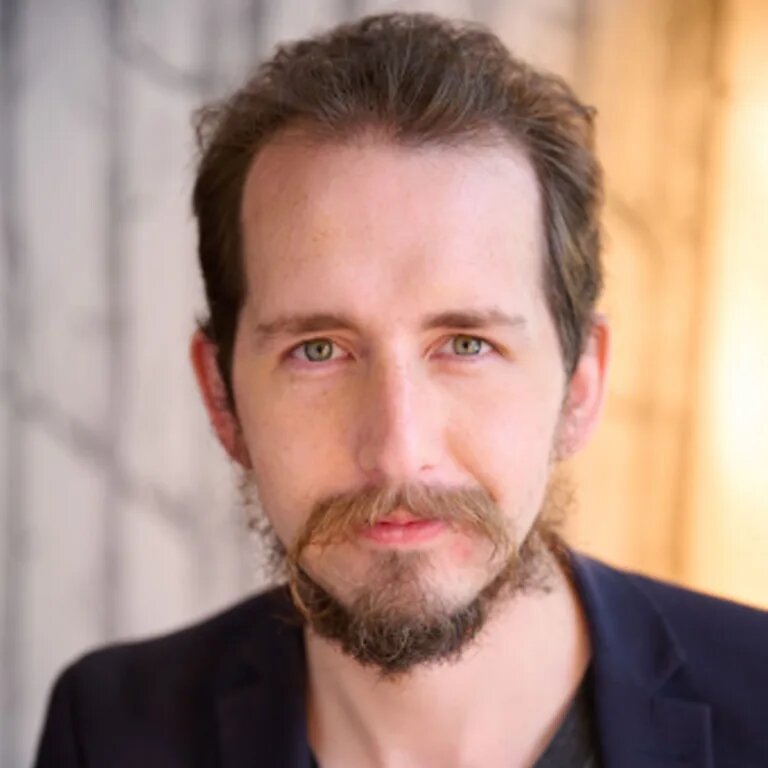



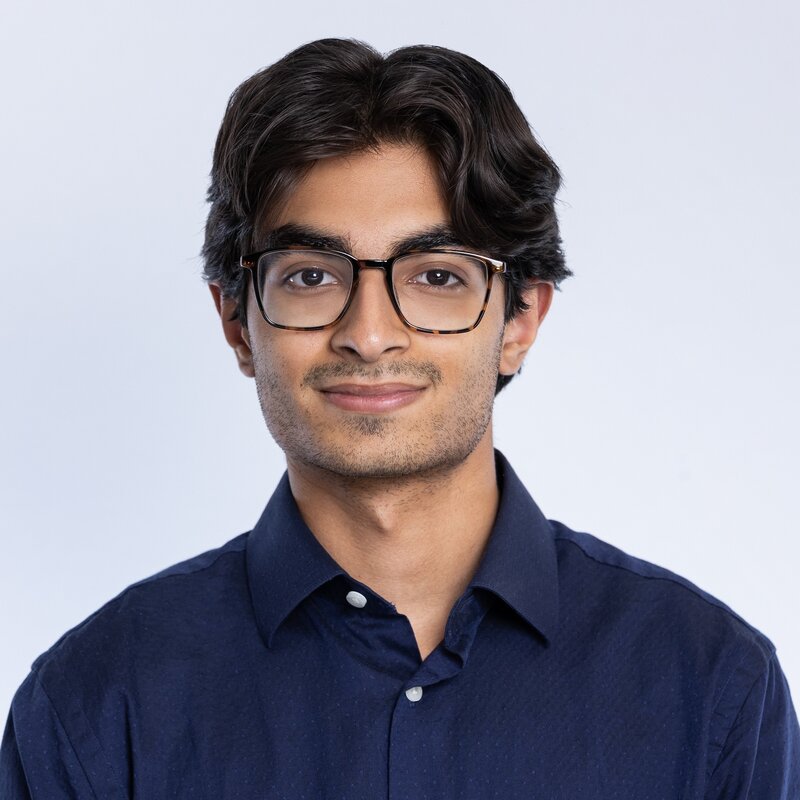
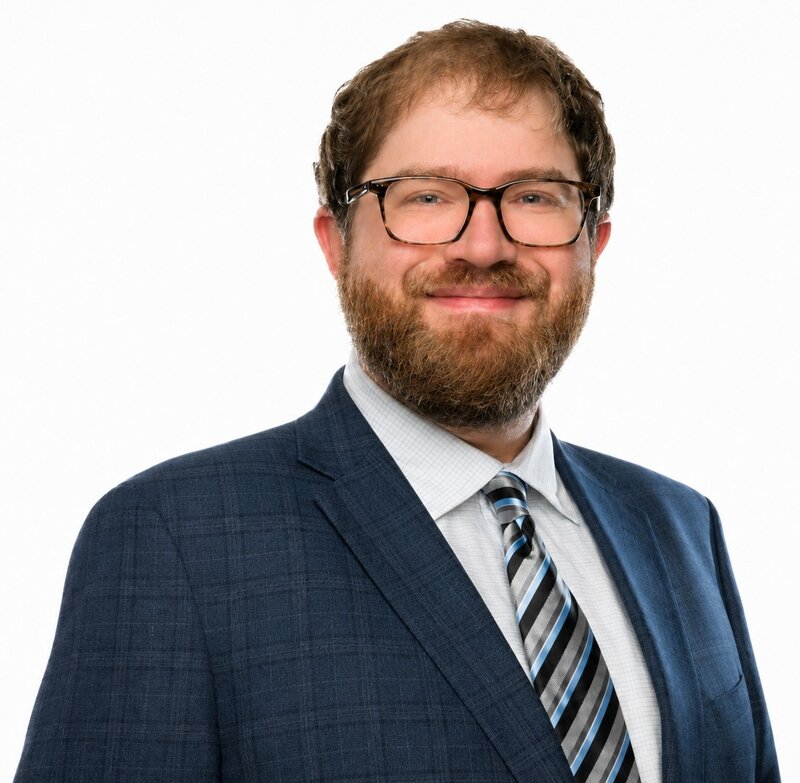
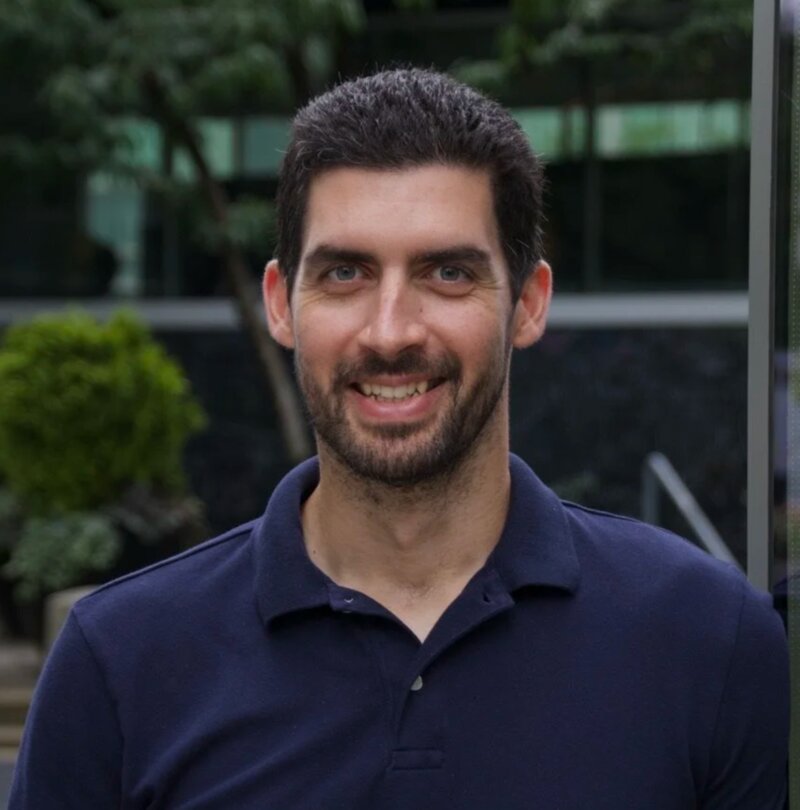
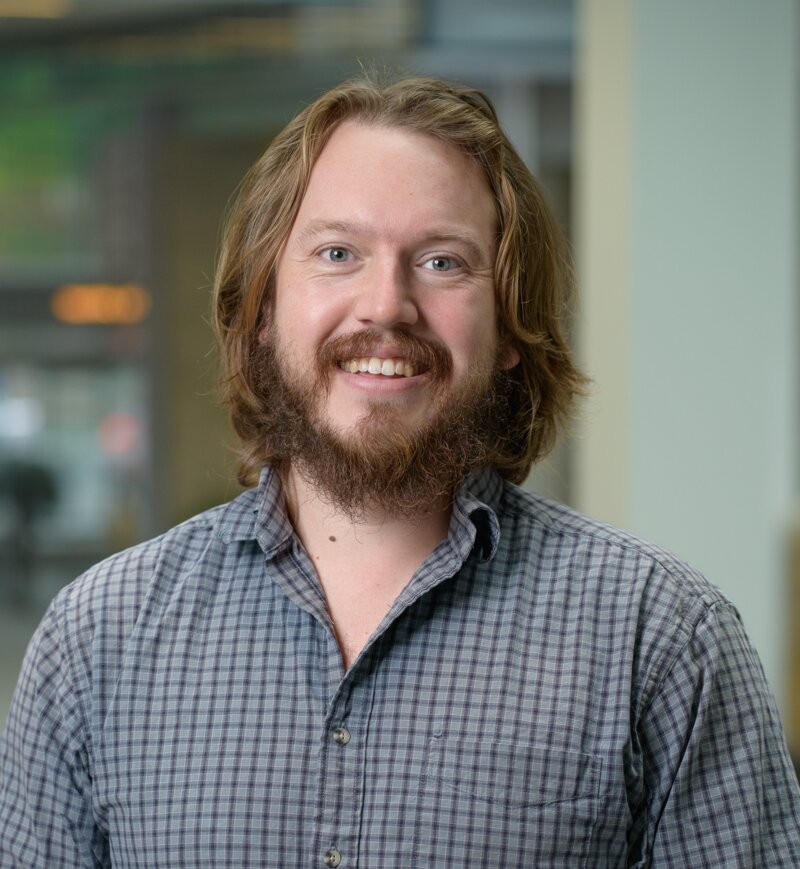
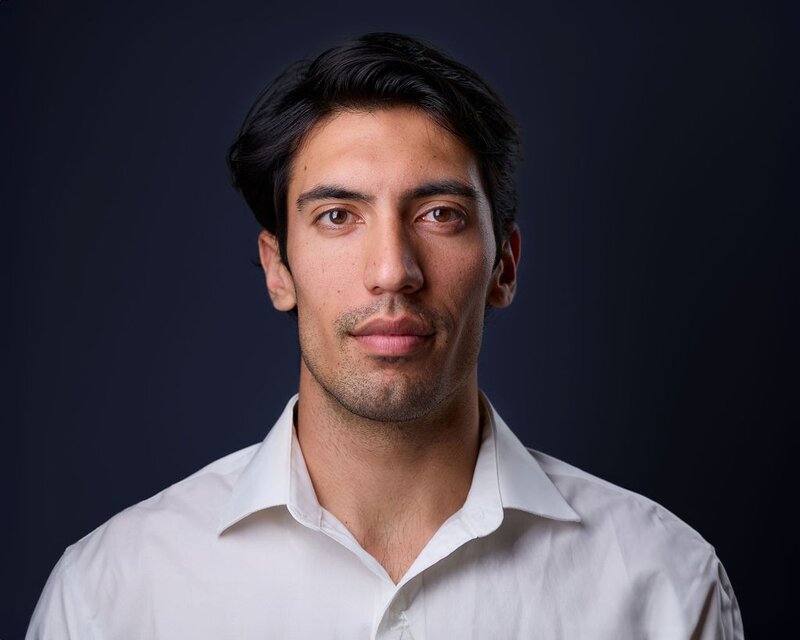
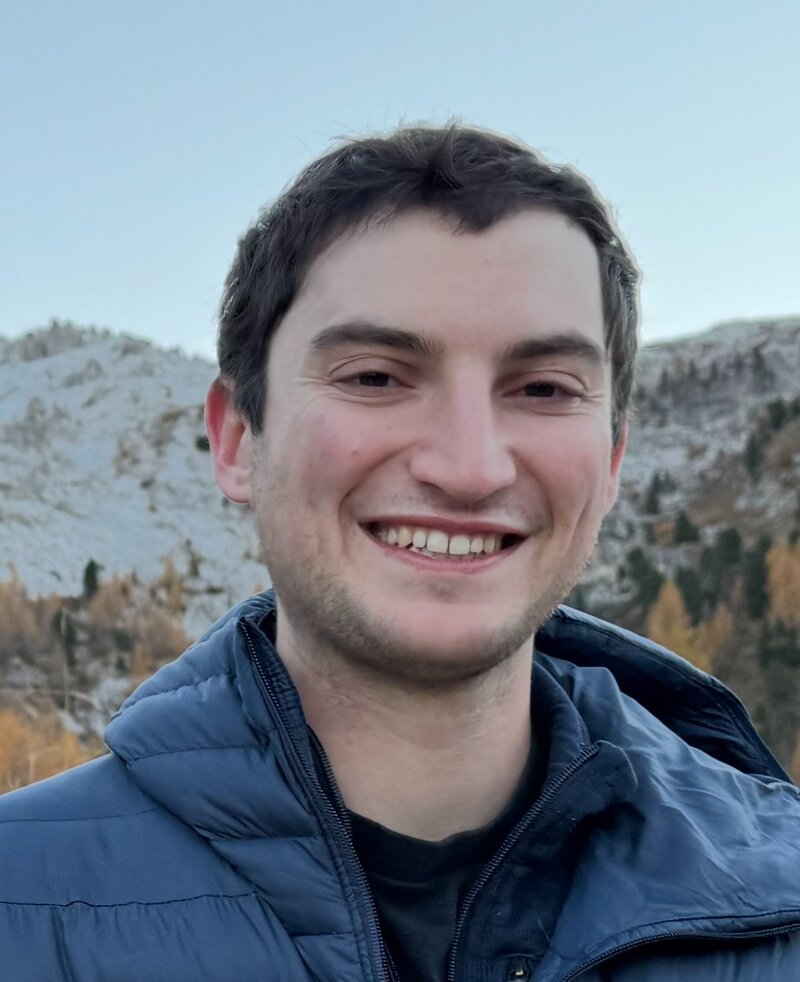
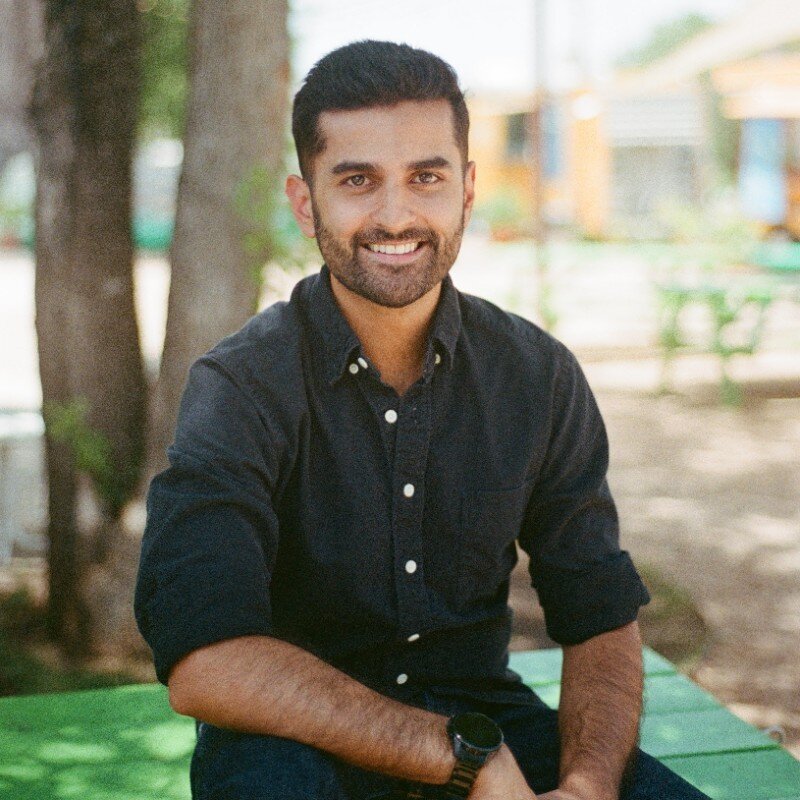
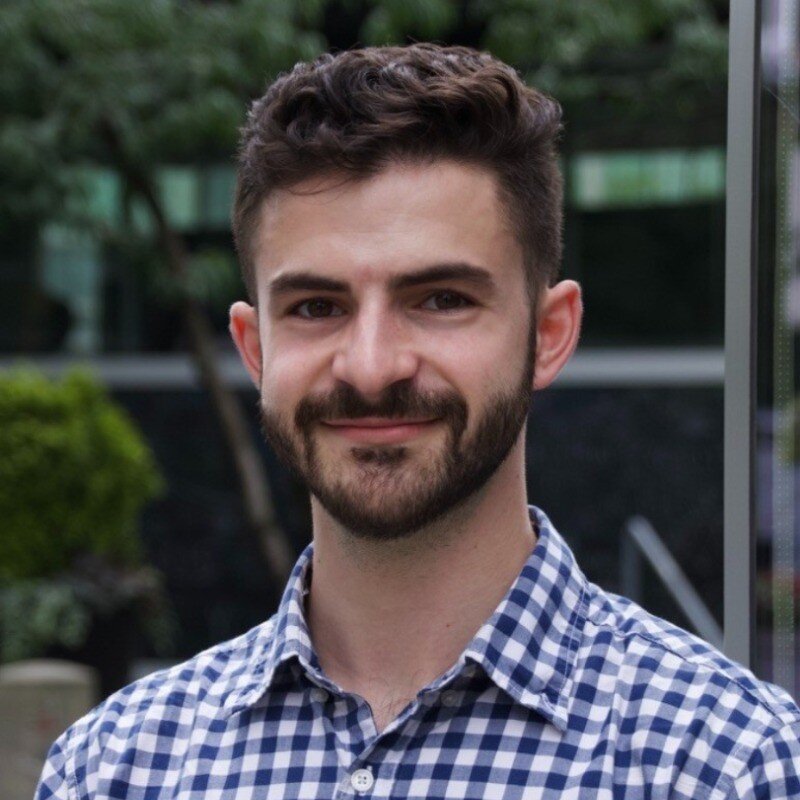
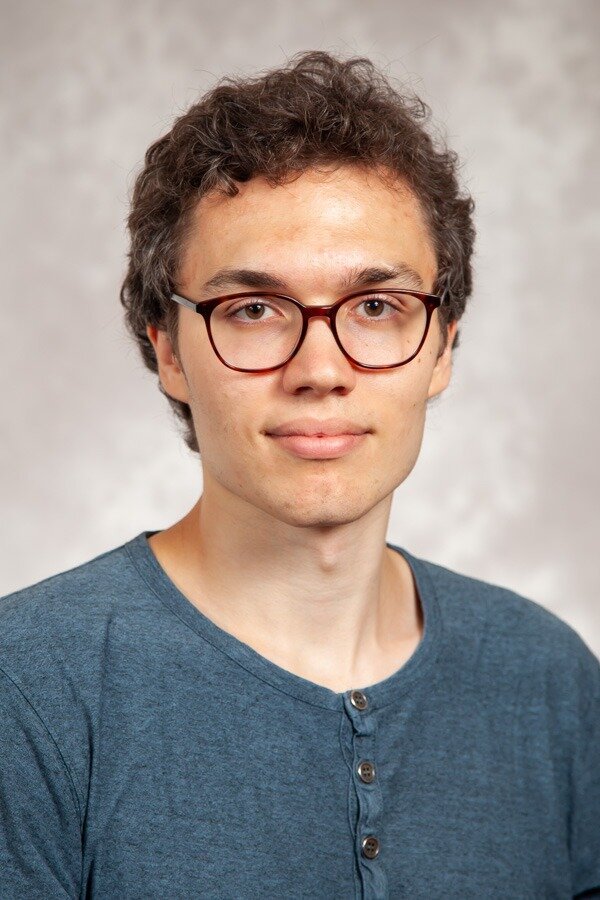
Josh is a research scientist on the AGI Safety and Alignment team at Google DeepMind, where he currently works on post-training science and alignment stress testing. Previously, he was a PhD student in Max Tegmark's group working on mechanistic interpretability.
Anjay researches AI policy at RAND. He is currently focused on verification of international agreements on AI with previous focuses on AI security and emergency response. Previously, he worked at Constellation and Redwood Research and completed a bachelors in Computer Science at Vanderbilt University.
David Duvenaud is an Associate Professor in Computer Science and Statistics at the University of Toronto, who now works mainly on problems related to civilizational alignment, i.e. understanding what it will take to keep states and institutions aligned to human interests post-AGI. He holds a Sloan Research Fellowship, a Canada Research Chair in Generative Models, and a CIFAR AI chair. His postdoc was done at Harvard University and his Ph.D. at the University of Cambridge. He is a Founding Member of the Vector Institute for Artificial Intelligence. In 2023-2024 he did a sabbatical at Anthropic, leading their Alignment Evaluations team, as well as research projects on jailbreaks and sabotage. He's also a co-chair of the Schwartz Reisman Institute for Technology and Society, a director of the AI Safety Foundation, and an advisor to AVERI. He has also received a Google Faculty Award, and best paper awards at both the Neural Information Processing Systems (NeurIPS) conference and the International Conference on Machine Learning (ICML).
Joe Torres is the Executive Director of Active Site, a nonprofit research organization that studies biological risks from frontier technologies through real-world experiments. His current work focuses on AI-bio risk, including randomized controlled trials measuring how AI affects performance in the biology laboratory and studies of biological risk vulnerabilities. Before focusing on AI-bio risk, his work at Active Site included broad-spectrum antivirals and countermeasures for mirror biology. Joe holds a PhD in Molecular and Cell Biology from UMass Amherst.
Miles Brundage serves as Executive Director at AVERI, where he sets AVERI’s strategic direction, leads the team and builds partnerships to advance AVERI’s mission of making third party auditing of AI systems effective and universal. Previously, Miles led the Policy Research and AGI Readiness teams at OpenAI, and before that he was a Research Fellow at the University of Oxford's Future of Humanity Institute. In addition to leading AVERI, Miles is a Non-Resident Senior Fellow at the Institute for Progress, a member of the AI Governance Forum at the Center for a New American Security, an advisor to Epoch AI and the RAND Corporation, and he writes regularly on Substack. Miles completed a Ph.D. in Human and Social Dimensions of Science and Technology from Arizona State University in 2019, and worked at the US Department of Energy's Advanced Research Projects Agency -- Energy (ARPA-E) before beginning his graduate studies.
Dave is a researcher at the Institute for AI Policy and Strategy (IAPS), where he works on reducing risks from extreme concentration of power. Lately, he has been thinking about how to modernize checks and balances for the AGI era, implement automated oversight of government AI deployments, and shape the character of AI systems used in government. His past work includes threat modeling secret loyalties in frontier AI models and developing security standards to protect against them. Previously, he was a research manager at ERA and worked as a security engineer. He holds a BA in Computer Science from Columbia University, where he focused on cryptography, reverse engineering, and ML.
Owain has a broad interest in AI alignment and reducing AGI risk. He is investigating dangerous capabilities and the emergence of misalignment in LLMs, along with self-awareness and latent reasoning. Owain previously worked on AI deception (How to Catch an AI Liar), truthfulness (TruthfulQA), and the Reversal Curse. Owain runs an independent AI Safety non-profit, based at Constellation in Berkeley. He previously worked at the University of Oxford and at Ought. He has mentored 30+ junior AI Safety researchers through MATS and other programs.
Patricia Paskov is the Director of Standards at AVERI, Adjunct Researcher at RAND, and Research Affiliate at the Oxford Martin AI Governance Initiative. Her research on frontier AI evaluations and governance has appeared in top machine learning venues including ICML, Science, and FAccT and policy venues including Carnegie, RAND, and The World Bank and has been covered by media outlets including Al Jazeera, the Financial Times, Fortune, MIT Technology Review China, and TIME. She led the Resilience section of the 2026 International AI Safety Report, co-founded NYC AI Governance & Safety, and serves as Faculty at the International Programme on AI Evaluation. As of Fall 2026, she is a DPhil candidate in Engineering Science at the University of Oxford. Previously she built machine learning models at Condé Nast and designed large-scale randomized controlled trials with the World Bank and Innovations for Poverty Action. She completed degrees in economics at the University of Wisconsin–Madison, the Barcelona School of Economics, and the European University Institute.
Chris Ganje is co-founder and Executive Director of Fourth Eon Biosecurity, leading strategy, technology development and deployment. His career spans two decades at the intersection of frontier technology, public policy, and global security. Before Fourth Eon, he spent three years in private equity, having previously co-founded and scaled AMPLYFI, a venture-backed AI company working with defense agencies, and earlier led disruptive technology assessment and European energy technology policy at BP. He is a DARPA SWITCH Working Group Advisor, Innovate UK Council Member, Big if True Science Fellow at Renaissance Philanthropy, and Fellow at the University of Cambridge's Centre for Science and Policy. Chris holds a BA in History from SUNY New Paltz and an MSc in Politics from the University of Edinburgh.
Sambhav is a research associate on the Frontier Security team at IAPS, where he focuses on AI deployments in defense and national security, standards for internally deployed models, and threat modeling.
Before joining IAPS, Sambhav served as Co-director of the Cambridge AI Safety Hub, where he ran the MARS (Mentorship for Alignment Research Students) program.