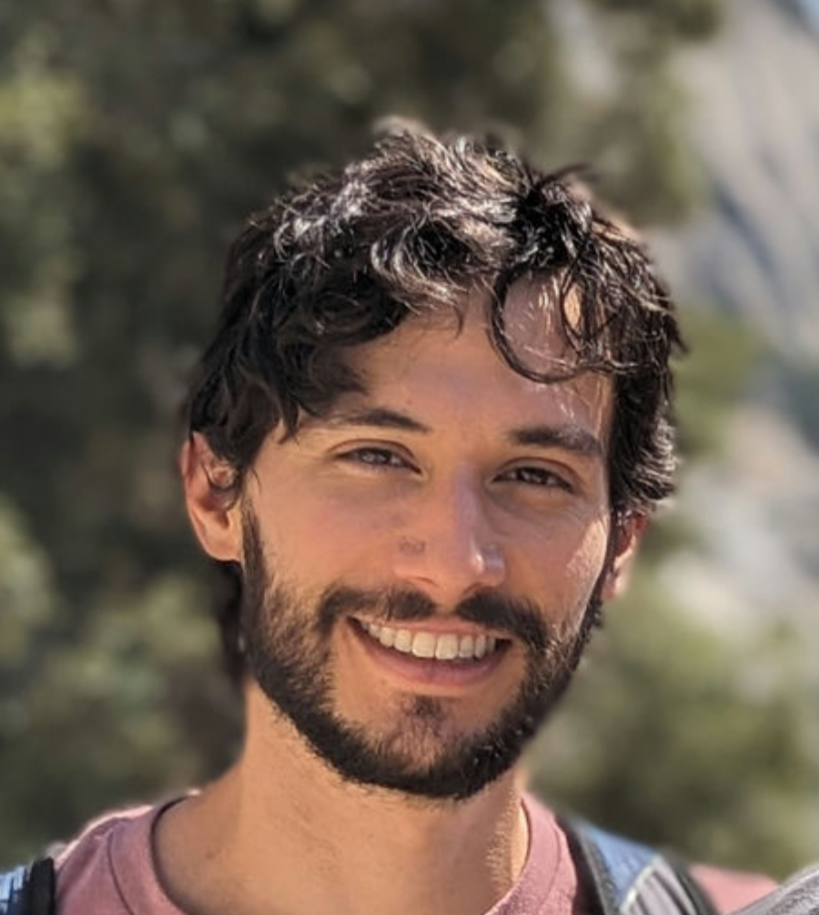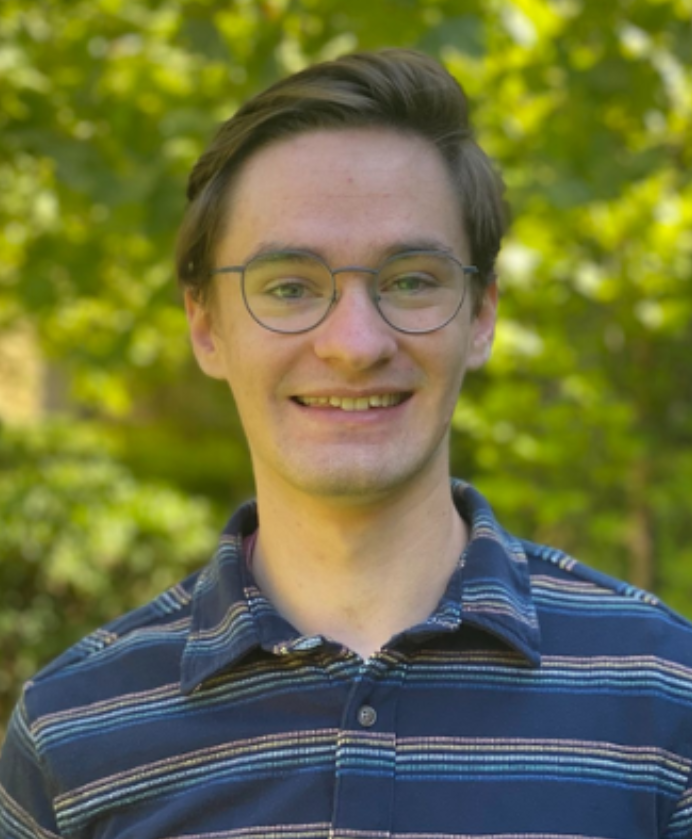
Kai Fronsdal
Published Petri @ Anthropic. Not sure if he works there.
Published Petri @ Anthropic. Not sure if he works there.
As part of MATS 6.0, Kai worked on measuring instrumental self-reasoning (a precursor to deceptive alignment) in frontier models under the mentorship of David Lindner. Prior to MATS, he explored variants of Goodhart's Law and evaluating llm's ability to self-correct. As of October 2024, he is finishing a masters at Stanford University studying math and computer science while completing the MATS extension phase.
The Summer 2024 cohort marked a significant expansion, supporting approximately 90 fellows with 40 mentors—the broadest mentor selection in MATS history. This cohort incorporated MATS as a 501(c)(3) nonprofit organization, formalizing its institutional structure. The program expanded its research portfolio to include at least four governance mentors alongside technical research streams, reflecting growing interest in AI policy and technical governance work. The 10-week research phase continued in Berkeley, with fellows conducting work across mechanistic interpretability, evaluations, scalable oversight, and governance research. Notable outputs from this cohort include research on targeted manipulation and deception in LLMs trained on user feedback, which was accepted to NeurIPS workshops, and contributions to an AI safety via debate paper that won best paper at ICML 2024. One fellow co-founded Decode Research, a new AI safety organization focused on building interpretability tools.
Kai Fronsdal