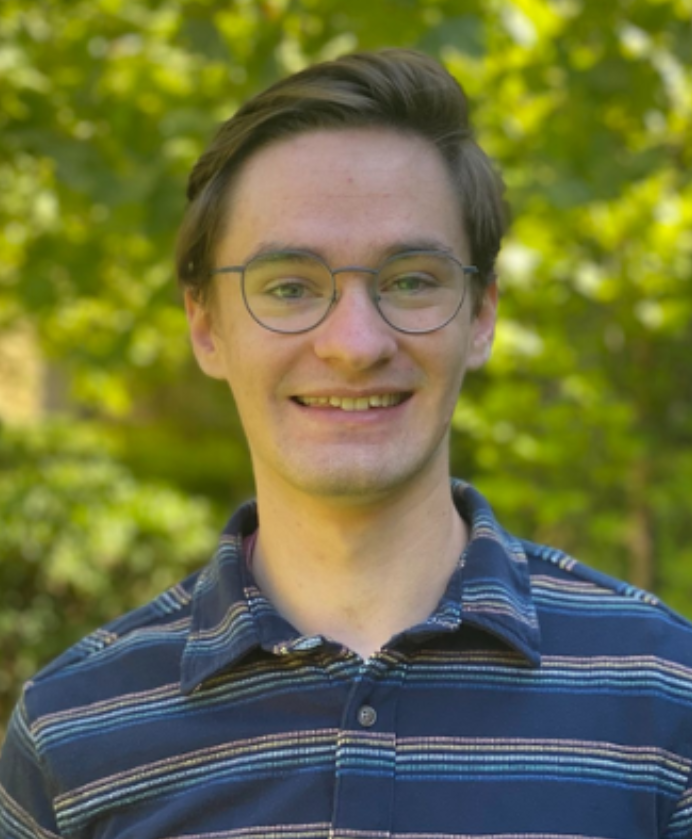
Rauno Arike
Aether
Aether
Rauno (https://www.linkedin.com/in/rauno-arike/) worked in Marius Hobbhahn's stream, collaborating with Elizabeth Donoway on goal-directedness evaluations for LLMs. Before MATS, he studied Computer Science at TU Delft and worked as a software engineer. After MATS, he intends to continue doing alignment research on the side of his Artificial Intelligence MSc at the University of Amsterdam.
The Summer 2024 cohort marked a significant expansion, supporting approximately 90 fellows with 40 mentors—the broadest mentor selection in MATS history. This cohort incorporated MATS as a 501(c)(3) nonprofit organization, formalizing its institutional structure. The program expanded its research portfolio to include at least four governance mentors alongside technical research streams, reflecting growing interest in AI policy and technical governance work. The 10-week research phase continued in Berkeley, with fellows conducting work across mechanistic interpretability, evaluations, scalable oversight, and governance research. Notable outputs from this cohort include research on targeted manipulation and deception in LLMs trained on user feedback, which was accepted to NeurIPS workshops, and contributions to an AI safety via debate paper that won best paper at ICML 2024. One fellow co-founded Decode Research, a new AI safety organization focused on building interpretability tools.
Rauno Arike