SecureBio AI
This stream will work on projects that empirically assess national security threats of AI misuse (CBRN terrorism and cyberattacks) and improve dangerous capability evaluations. Threat modeling applicants should have a skeptical mindset, enjoy case study work, and be strong written communicators. Eval applicants should be able and excited to help demonstrate concepts like sandbagging elicitation gaps in an AI misuse context.
Stream overview
This stream is primarily interested in mentoring projects in biosecurity that either (1) create rigorous threat models of AI biological misuse or (2) create benchmarks and tools that allow us to evaluate and mitigate these risks, as well as verifying that companies are taking suitable precautions.
Potential example projects include:
- Threat Model: What do inference compute trends imply for how fast dangerous biological capabilities may proliferate and become harder to monitor?
- Evaluations: Formalizing "scientific ideation in an empirical field" in a manner that allows one to assess human and LLM-generated hypotheses for novelty, plausibility, etc.
- Mitigations: Developing a way to more richly assess and describe the "blast radius" or "collateral damage" of efforts to remove-in-pretraining or unlearn material from LLMs
- Verification: How are we better able to standardize and compare the effectiveness of classifiers from different AI companies and assess how much they reduce misuse risk?
Mentors
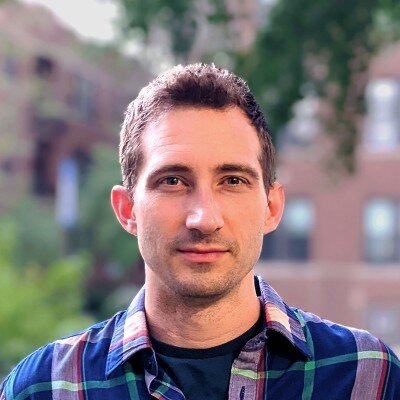
I am Head of AI Research at SecureBio, focusing on AI evaluations for biosecurity. Previously, I was working on far-UVC air disinfection as a Research Fellow at Convergent Research, and completed my virology PhD at the Hannover Medical School.
Outside of work, you can find me reading, running TTRPGs, taking photographs of clouds, hiking, or playing the drums.
Mentorship style
Typically, this would include weekly meetings, detailed comments on drafts, and asynchronous messaging.
Fellows we are looking for
For threat modeling work: Skeptical mindset, transparent reasoning, analytical
For evaluations, mitigations, and verification work: LLM engineering skills (e.g., agent orchestration), biosecurity knowledge
Project selection
Mentor(s) will talk through project ideas with scholar
The Winter 2026 cohort offers a wide range of research streams led by experts across AI alignment, interpretability, governance, and safety. Each stream provides its own research agenda, methodology, and mentorship focus.