MATS mentors are advancing the frontiers of AI alignment, transparency, and security
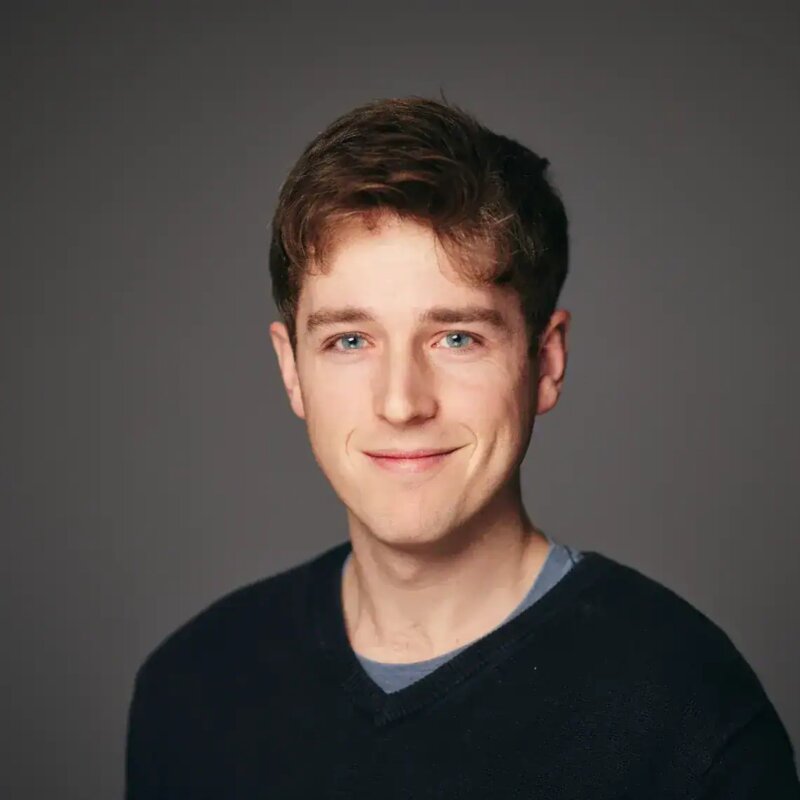
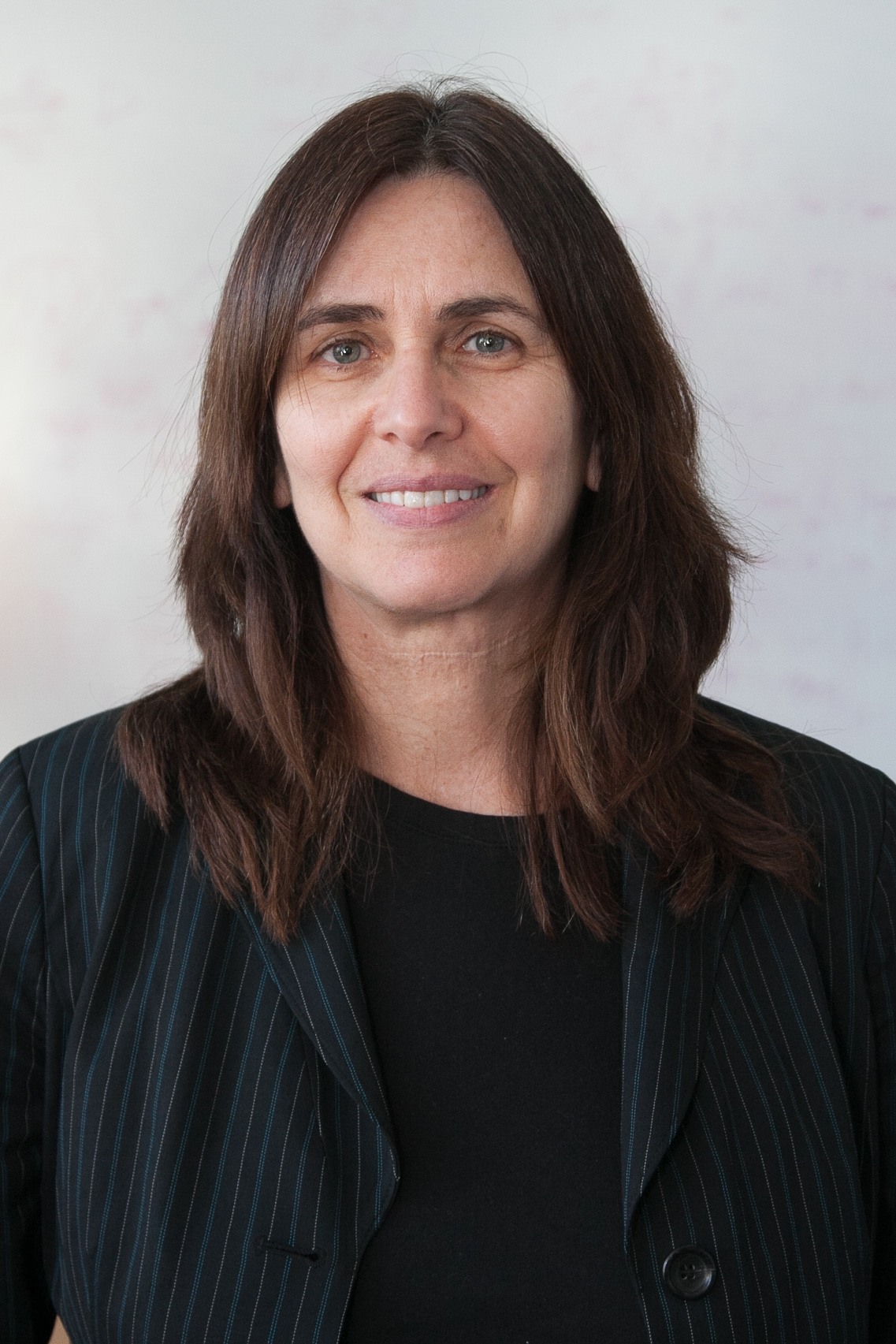
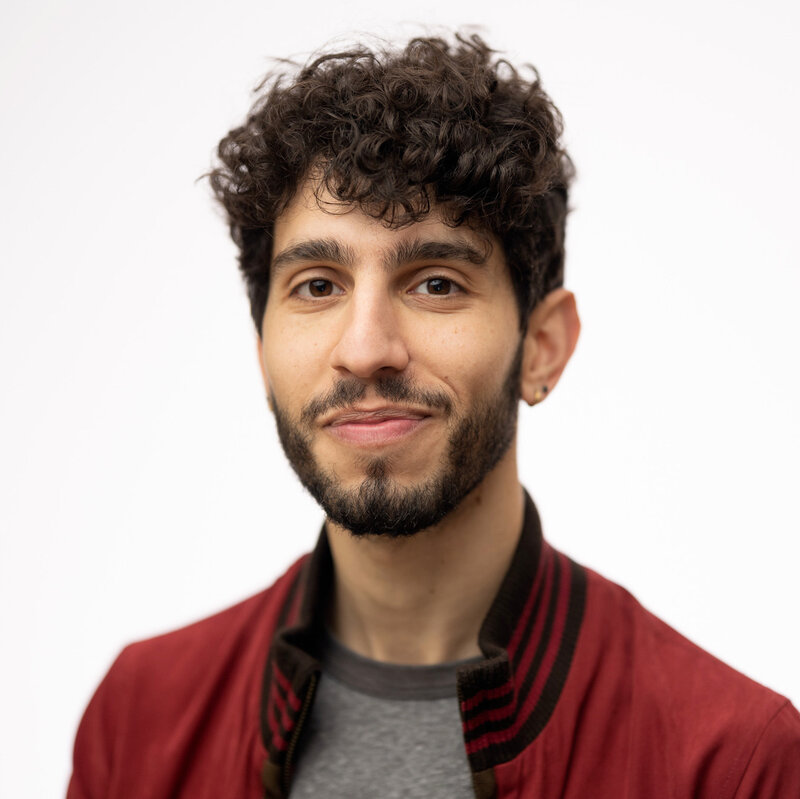
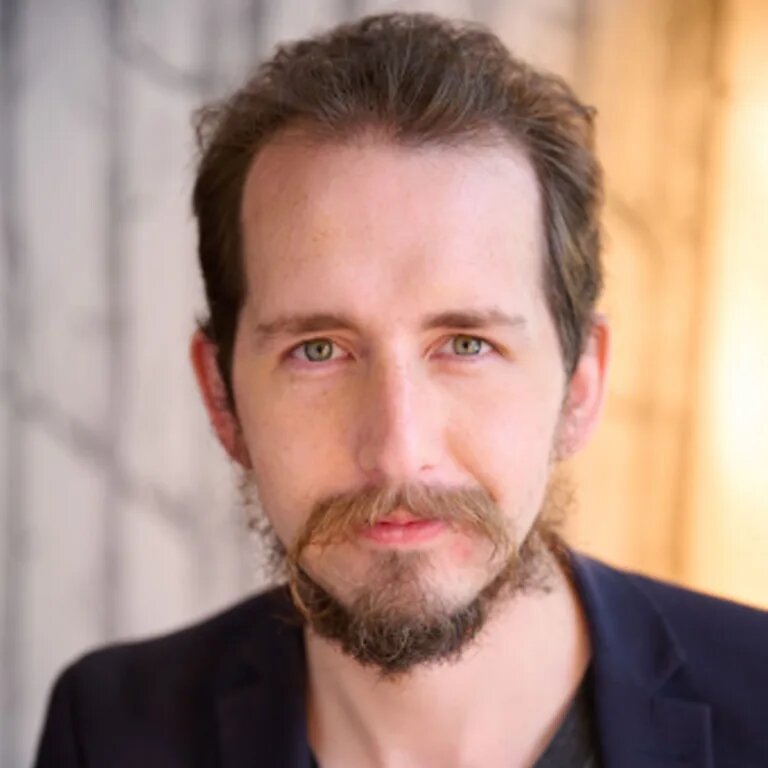


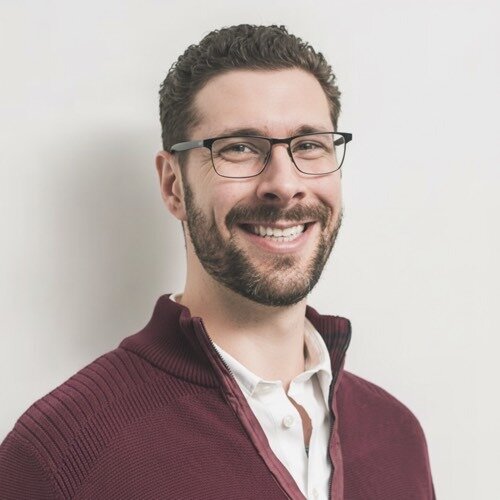
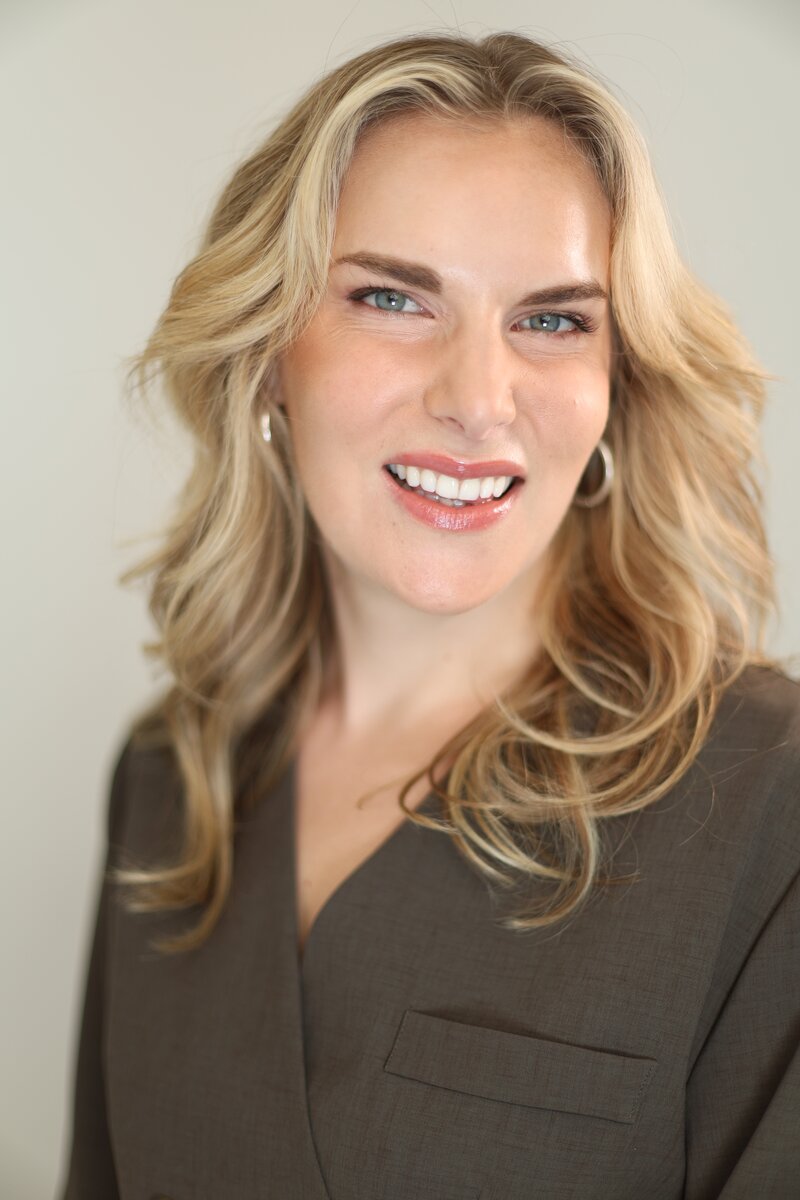
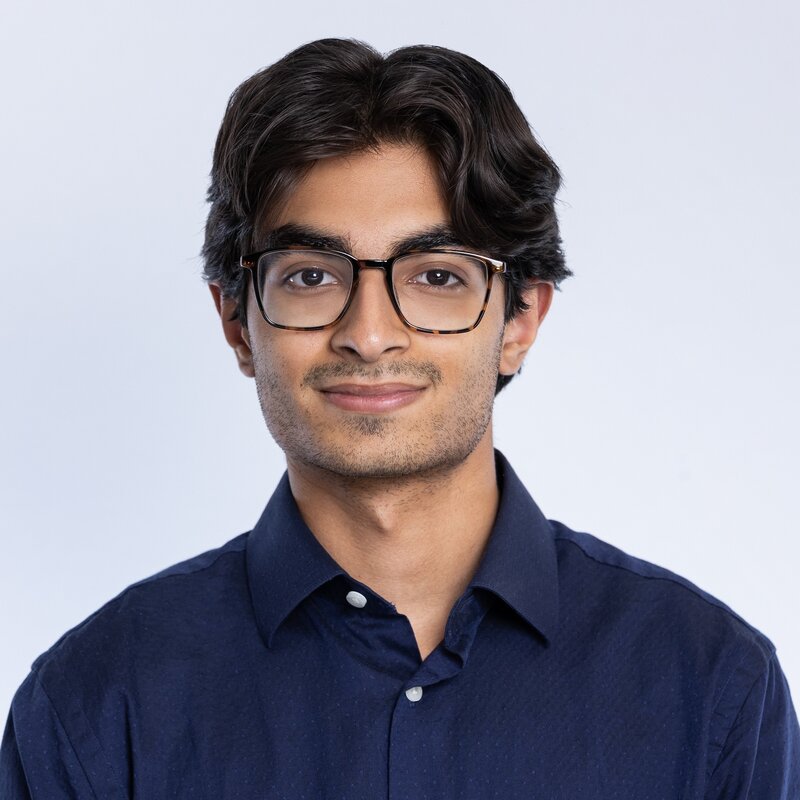
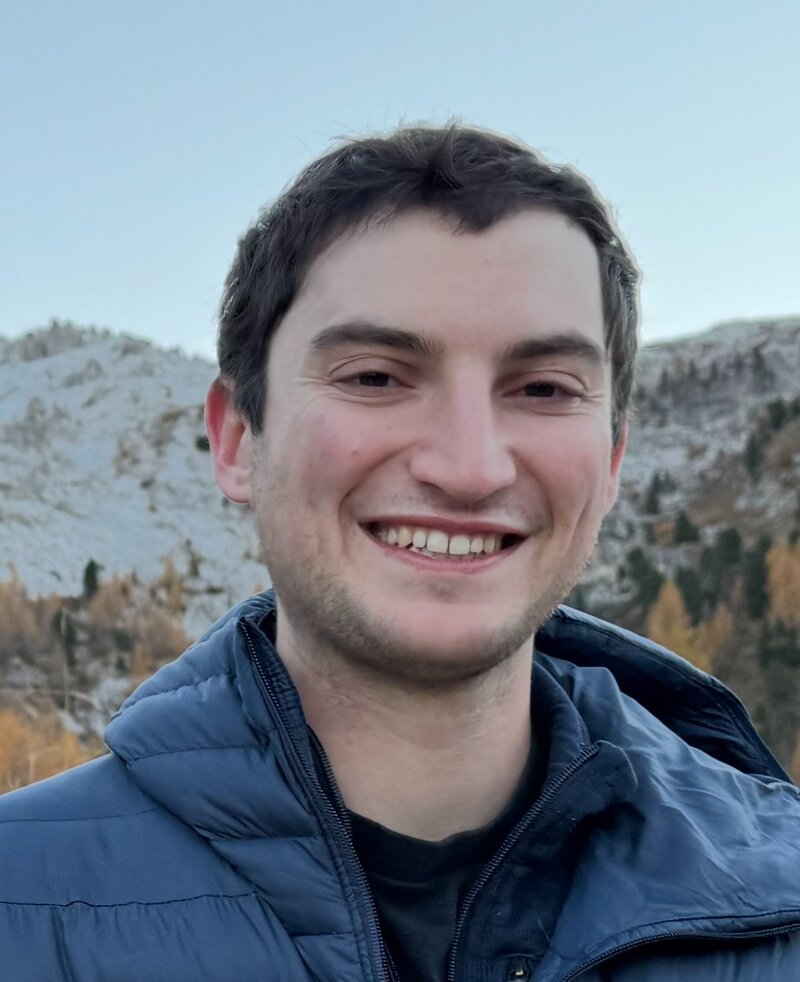
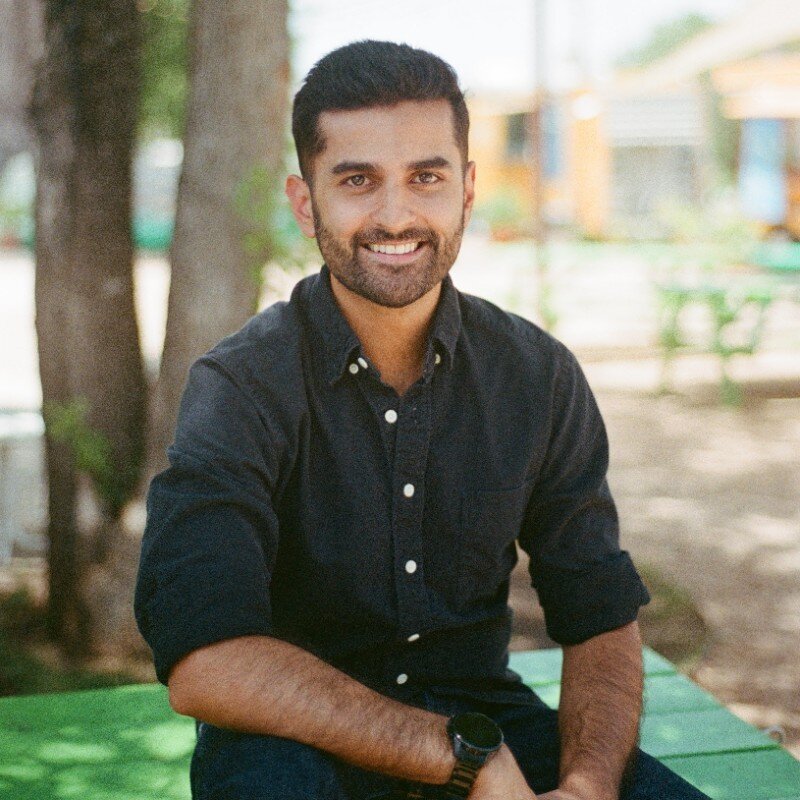
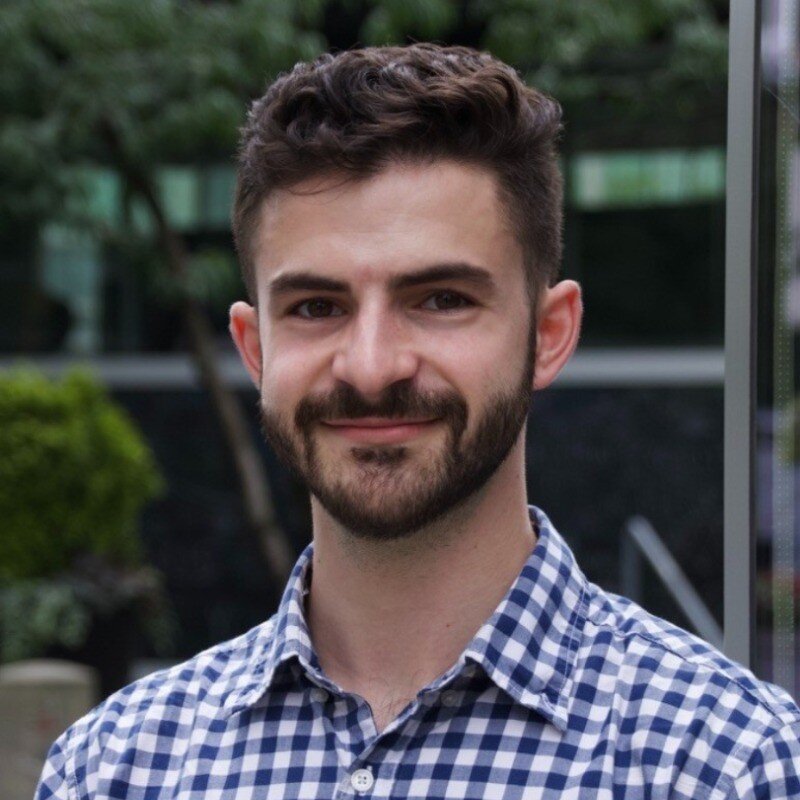
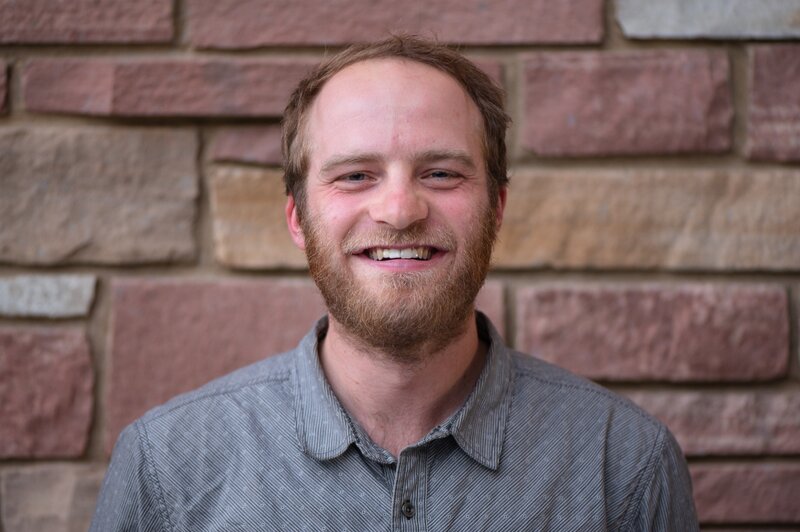
Kristian Rönn is the CEO and co-founder of Lucid Computing and a co-founder and board member of Normative. He has a background in mathematics, philosophy, computer science, and artificial intelligence. Before he started Normative, he worked at the University of Oxford’s Future of Humanity Institute on issues related to global catastrophic risks.
Greg Kollmer is a co-founder of Lucid Computing, which develops secure, verifiable AI infrastructure. As a Columbia engineering graduate student Kollmer co-developed Palmos, a wireless sensor network for early landslide detection.
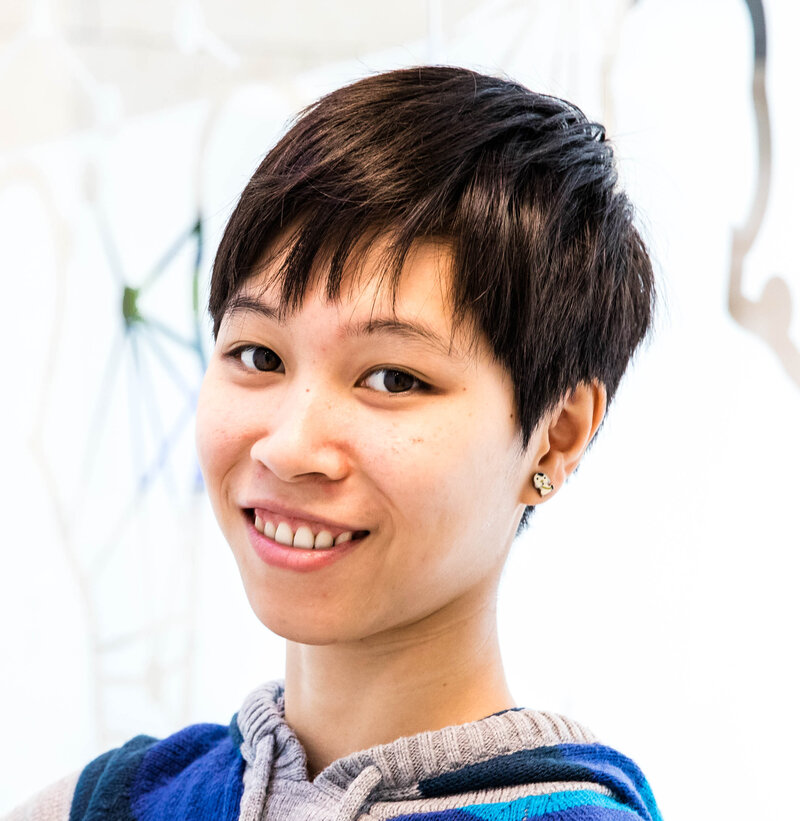
Mary is a research scientist on the Frontier Safety Loss of Control team at DeepMind, where she works on AGI control (security and monitoring). Her role involves helping make sure that potentially misaligned, internally deployed models cannot cause severe harm or sabotage, even if they wanted to. Previously, she has worked on dangerous capability evaluations for scheming precursor capabilities (stealth and situational awareness) as well as catastrophic misuse capabilities.
David Lindner is a Research Scientist on Google DeepMind's AGI Safety and Alignment team where he works on evaluations and mitigations for deceptive alignment and scheming. His recent work includes MONA, a method for reducing multi-turn reward hacking during RL, designing evaluations for stealth and situational awareness, and helping develop GDM's approach to deceptive alignment. Currently, David is interested in studying mitigations for scheming, including CoT monitoring and AI control. You can find more details on his website.

Miles Wang is a researcher at OpenAI whose interests span alignment, evaluations, reasoning, and science. Wang studied computer science at Harvard before joining OpenAI in March 2024.

Arthur Conmy is a Member of Technical Staff at Anthropic. His interests are in automating interpretability, finding circuits and making model internals techniques useful for AI Safety, particularly with Sparse Autoencoders. Previously, he worked at Google DeepMind and Redwood Research (and did the MATS Program!).
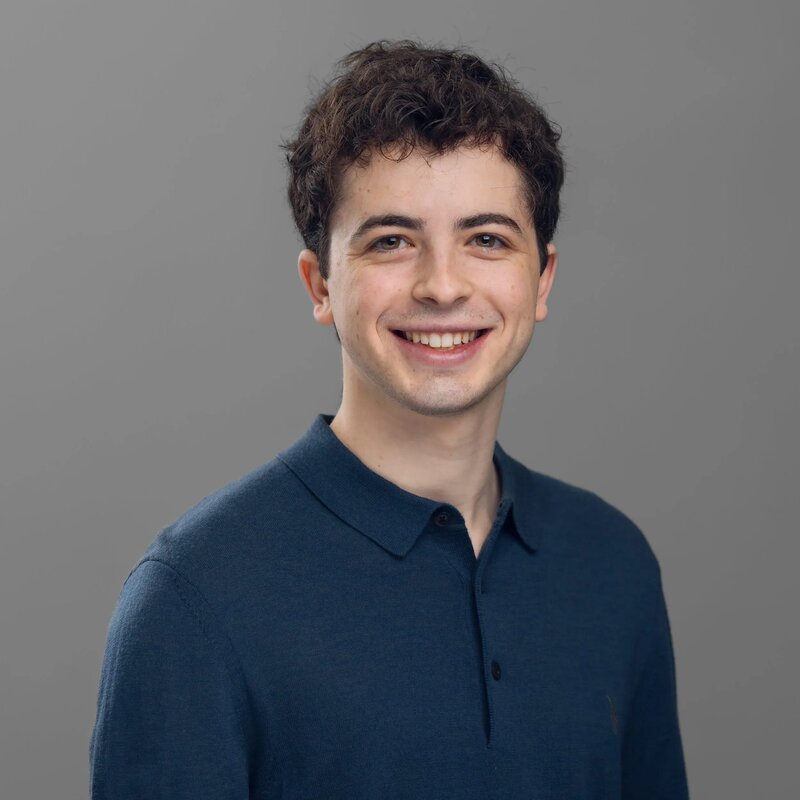
Xander Davies is a Member of the Technical Staff at the UK AI Security Institute, where he leads the Red Teaming group, which uses adversarial ML techniques to understand, attack, and mitigate frontier AI safeguards. He is also a PhD student at the University of Oxford, supervised by Dr. Yarin Gal. He previously studied computer science at Harvard, where he founded and led the Harvard AI Safety Team.

Fynn Heide is Executive Director of the Safe AI Forum. Previously, Heide researched AI policy in China as a research scholar at the Centre for the Governance of AI.
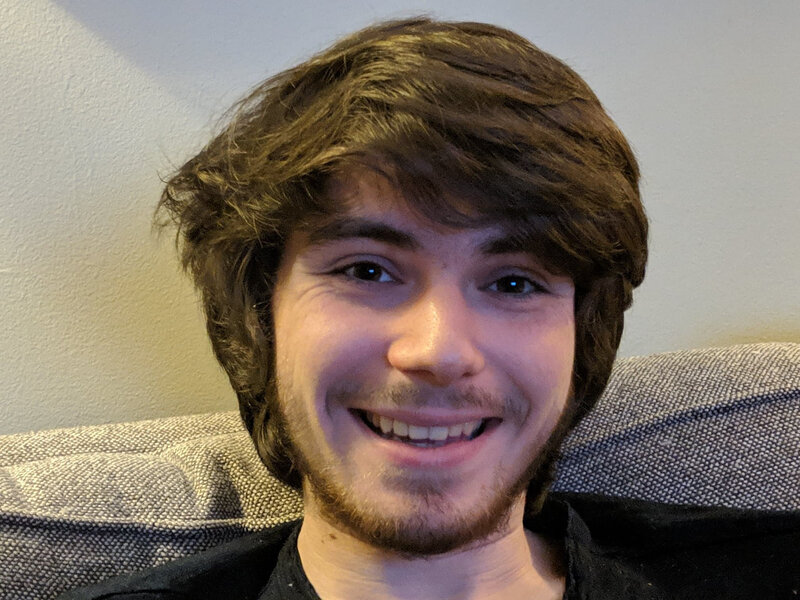
Eric Neyman is a researcher at the Alignment Research Center (ARC), which is working on a systematic and theoretically grounded approach to mechanistic interpretability. Before joining ARC, he was a PhD student at Columbia University, where he researched algorithmic Bayesian epistemology.
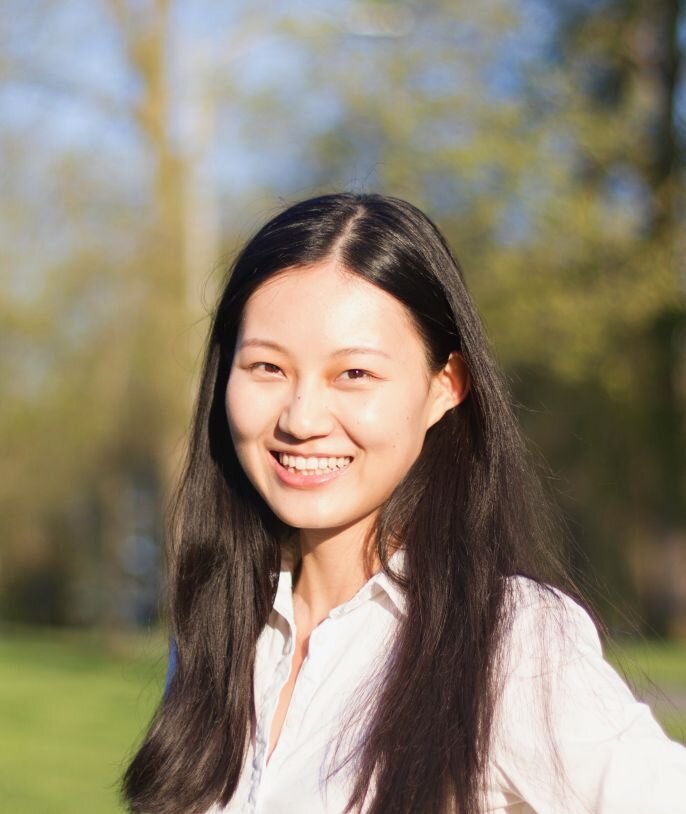
He He is an associate professor at New York University. She is interested in how large language models work and potential risks of this technology.