McKenna Fitzgerald
This stream will focus on preparing AI governance policies for future policy windows through scenario mapping and policy architecture.
Stream overview
Policy windows for AI governance are likely to open faster than legislation can be written. A warning shot or a salient incident could shift the Overton window in weeks, as we've seen with recent cyber incidents, and the bottleneck at that moment won't be political will, but the absence of drafted, vetted ideas ready to move.
I want to build that inventory in advance. I'm running two workstreams in parallel: scenario mapping, identifying plausible trigger conditions and characterizing the political environment each would produce, and policy architecture, developing a skeleton of responses mapped to those scenarios along with the authorities and mechanisms each would require. I'm primarily interested in legislative action, but am also interested in actions the executive branch could take.
Previous fellows have worked on preparedness frameworks for AI-enabled biological attacks and for AI-driven unemployment. Given the breadth of the underlying question, I'm flexible on scoping like going deeper on a single trigger scenario or wide across the mapping work.
I'm also open to adjacent projects or to other directions entirely. Feel free to pitch!
Mentors
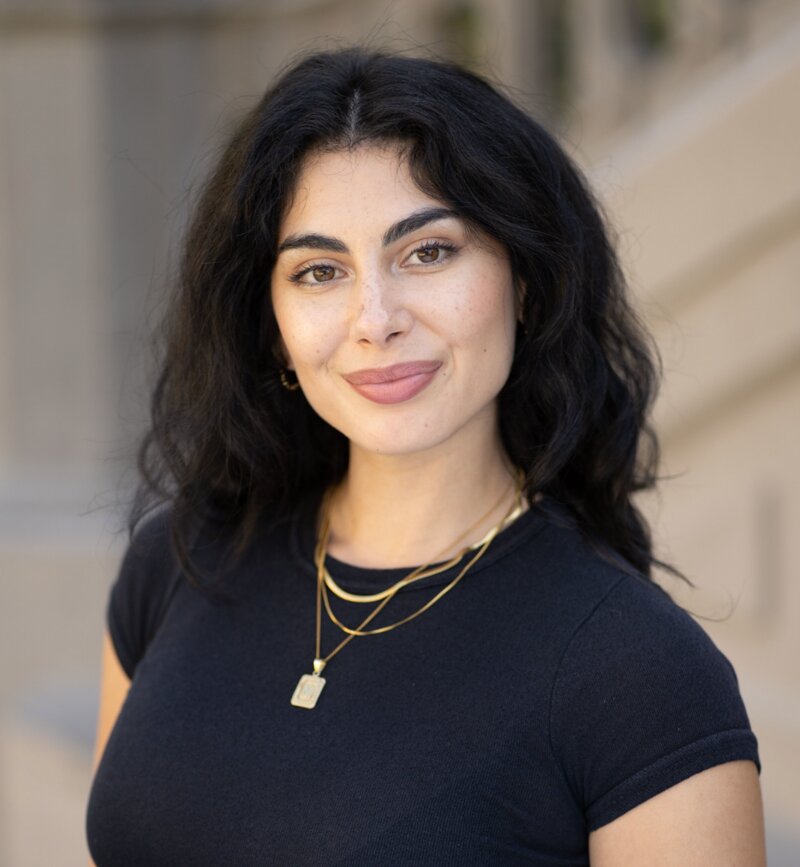
McKenna Fitzgerald leads external affairs at Americans for Responsible Innovation (ARI), an AI policy and advocacy organization based in Washington, D.C. She was previously a Research Manager at MATS where she helped initiate the technical governance stream. Prior to MATS, she was Deputy Director of the Global Catastrophic Risk Institute. She is a Board Member of Magnify Mentoring and an Advisory Board Member of PRISM Research. She holds a B.A. in philosophy from UC, Berkeley.
Mentorship style
Fellows we are looking for
- General understanding of US political system incl. legislative process
- Understanding of current US AI policy legislation and current conversations
- Strong written communications skill (bonus for policy-specific writing)
- Demonstrated analytical and research ability
- Demonstrated intellectual independence and willingness to update
Project selection
The Winter 2026 cohort offers a wide range of research streams led by experts across AI alignment, interpretability, governance, and safety. Each stream provides its own research agenda, methodology, and mentorship focus.