MATS Autumn 2026
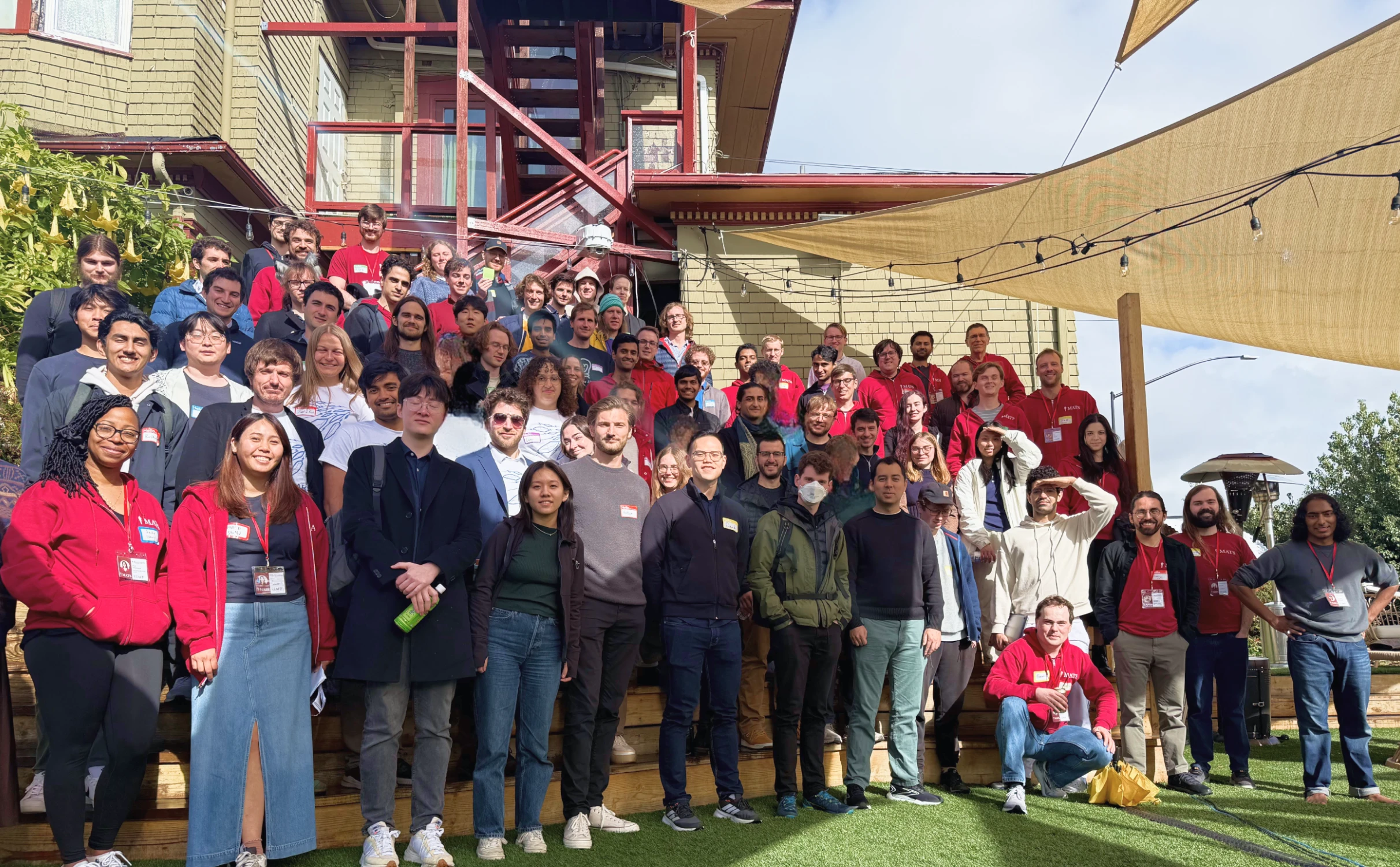
The Autumn 2026 program will run for 10 weeks in Berkeley, CA and London, UK from September 28th to December 4th. Fellows will receive mentorship from world-class researchers and at organizations like Anthropic, Google DeepMind, OpenAI, Redwood Research, and ARC, with the option to apply for a 6–12 month funded extension beyond the main program. For the first time, we are running Founding & Field-Building and Biosecurity tracks.
Applications are now closed.
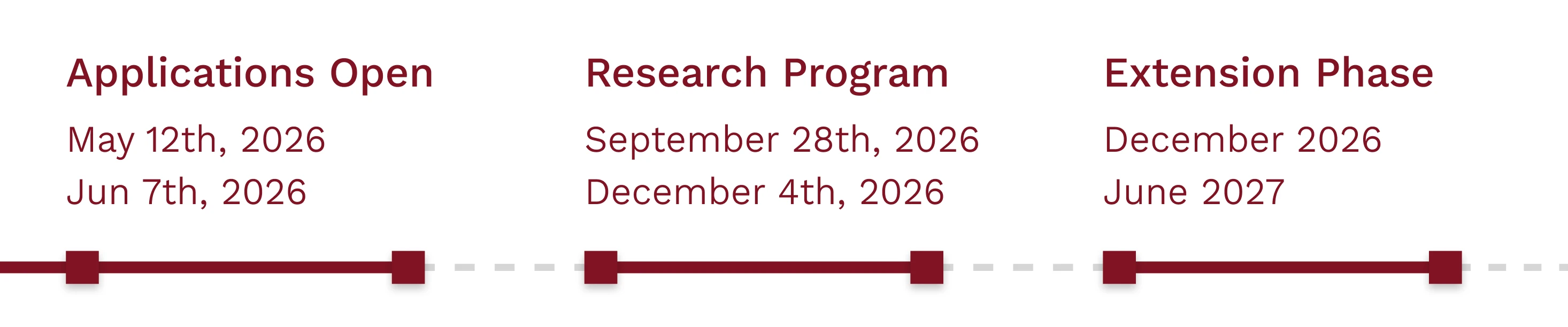
Program phases
Key dates for the application and admissions timeline
Applications typically open several months before the program begins. Applicants complete a multi-stage admissions process, beginning with a general application. Depending on the tracks, streams, and mentors they apply to, applicants may also complete additional evaluations such as interviews, work tests, coding assessments, or writing samples before final admissions decisions are made.
In stage one, applicants apply to one or more tracks (broad research areas): Empirical, Theory, Strategy & Forecasting, Policy & Governance, System Security, Biosecurity, and Founding & Field-Building. In stage two, advancing applicants choose specific streams within those tracks, each led by one or more mentors with their own research agenda. You can view this list as a grid here.


Junior grantmaking on Coefficient Giving's Technical AI Safety team ($150M+ in grants in 2025). Fellows will co-lead grant investigations, scope new active grantmaking projects (incl. founding new orgs), and help shape the team's strategy and future RFPs.
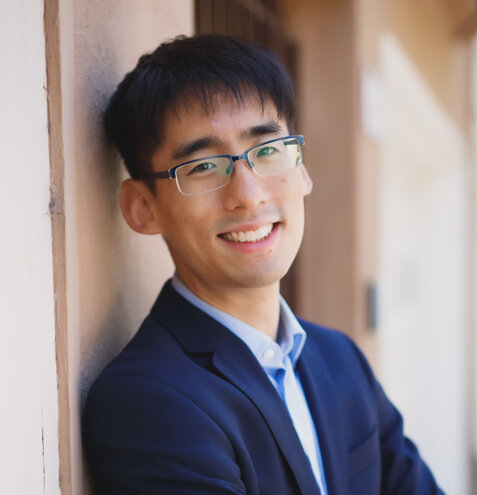
I have two broad areas.
Security:
I am interested in building demonstrations for hacking real-world AI deployments to show that they are not secure. The goal is to force companies to invest in alignment techniques that can solve the underlying security issues.
Benchmarks:
I am interested in building benchmarks to determine how generalizable modern LLM techniques actually are, now that we are no longer in the pre-training scaling era.

The stream focuses on evaluating and/or mitigating catastrophic risk emerging from dangerous scientific capabilities in frontier AI systems, with an emphasis on the challenges that emerge from lab integrations and novel science. Potential research directions include evaluation design, risk mitigations and evaluation science.

Founding ambitious AI safety and field-building projects.
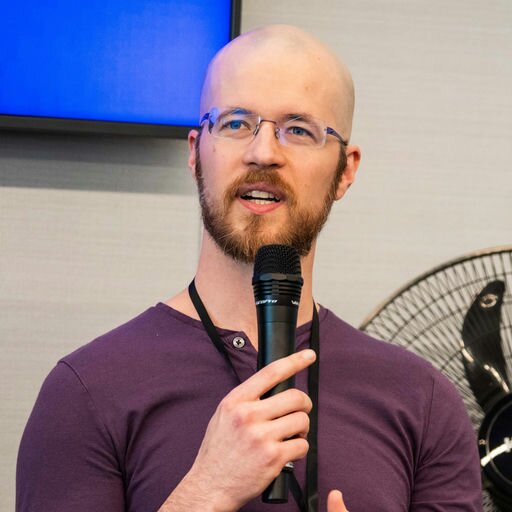
This is the empirical research stream of Eleos AI Research. We’re dedicated to understanding and addressing the potential wellbeing and moral status of AI systems. We are open to fellows working on a broad range of topics, including LLM introspection, LLM preferences, persona vectors, and more, using either white-box or black-box interpretability techniques.
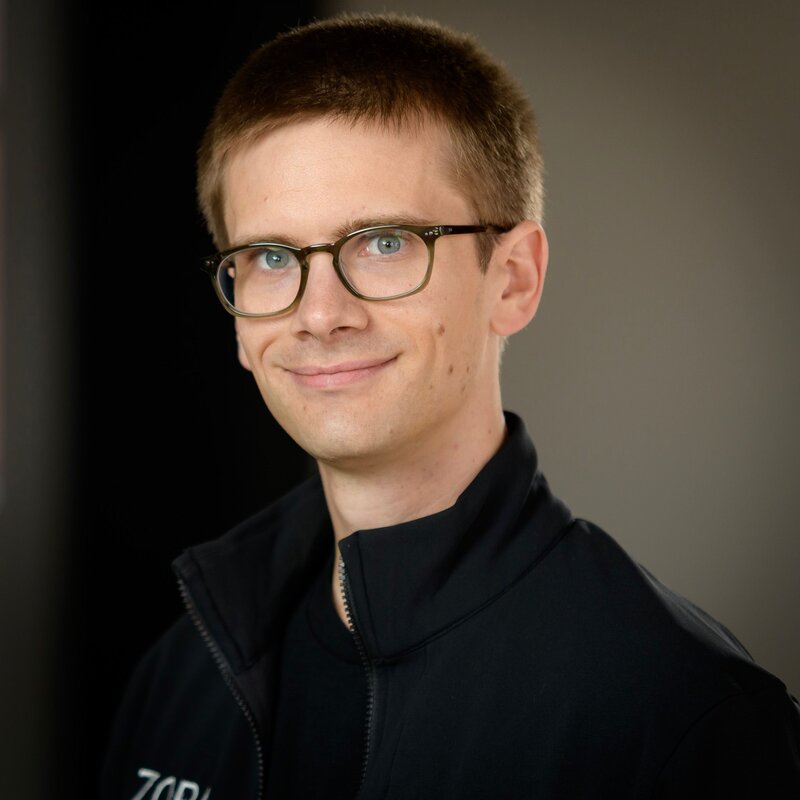
This stream offers two broad projects focused on improving current detection efforts at SecureBio. The first is to characterize when AI-bio or general AI tools are actually useful for large-scale metagenomic detection, including tradeoffs between compute cost, sequencing cost, model type, model size, and pipeline stage. The second is to explore genomic language models as novelty detectors—for example, using perplexity-style metrics to flag surprising sequences—and to evaluate whether this approach can complement traditional bioinformatics systems in a cost-effective, sensitive, and interpretable way.
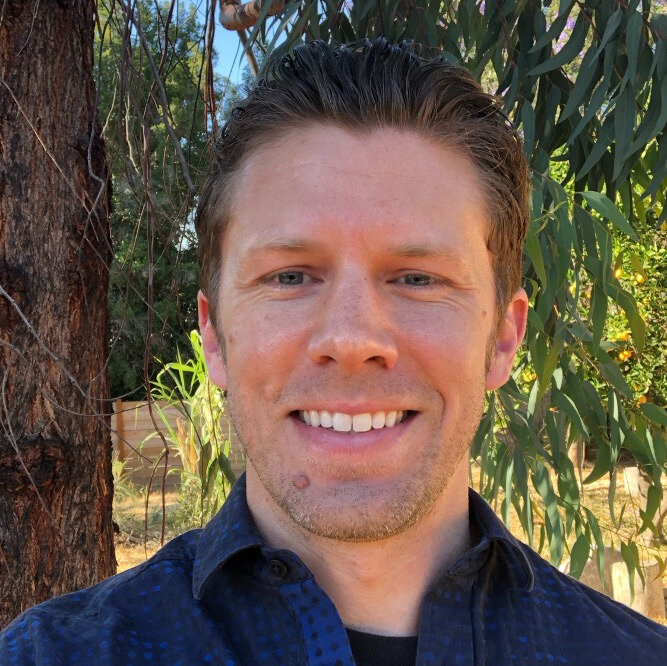
Fourth Eon is developing adaptive, AI-native safeguards across the biotechnology stack, with a focus on function-based DNA synthesis screening. Fellows in this stream will work on technical research projects at the intersection of AI and biosecurity. Projects span topics like mechanistic interpretability of protein foundation models, bio model evaluations for biosecurity-relevant capabilities, and agentic sequence analysis workflows.


We are looking for fellows with a significant background in the biological sciences and/or a founder's perspective to work on and support the Bio Action Plan.