MATS 2026 年秋季项目
2026 年秋季项目为期 10 周,于 9 月 28 日至 12 月 4 日在美国加州伯克利和英国伦敦开展。研究员将接受顶尖研究人员以及 Anthropic、Google DeepMind、OpenAI、Redwood Research 和 ARC 等机构研究人员的指导,并可申请在主项目结束后继续参加 6 至 12 个月的带资助延长期。本届首次开设创业与领域建设方向和生物安全方向。
Applications are now closed.
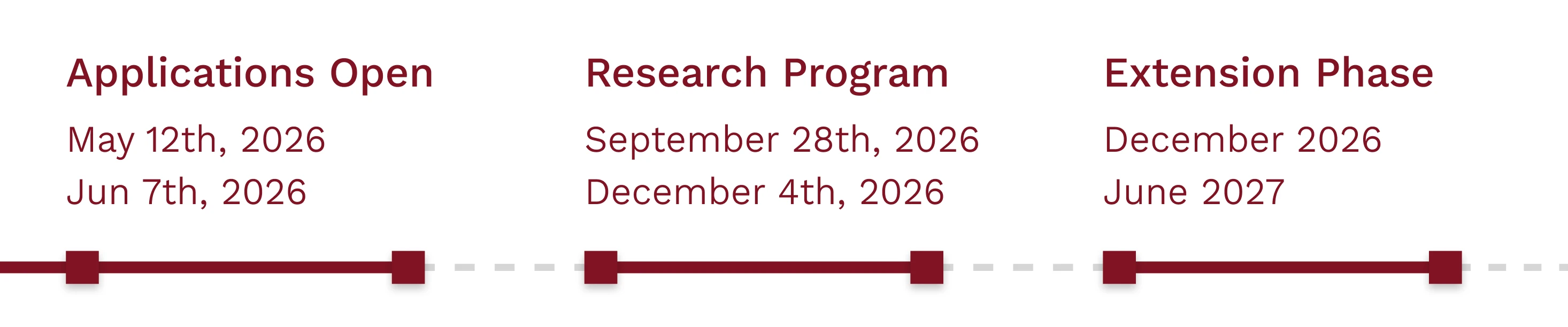
Program phases
Key dates for the application and admissions timeline
Applications typically open several months before the program begins. Applicants complete a multi-stage admissions process, beginning with a general application. Depending on the tracks, streams, and mentors they apply to, applicants may also complete additional evaluations such as interviews, work tests, coding assessments, or writing samples before final admissions decisions are made.
第一阶段,申请人可申请一个或多个研究方向:实证研究、理论、战略与预测、政策与治理、系统安全、生物安全,以及创业与领域建设。进入第二阶段后,申请人可选择这些方向下的具体研究流,每个研究流由一位或多位拥有各自研究议程的导师负责。你可以查看网格视图。


We are interested in mentoring projects in AI forecasting and governance. This work would build on the AI 2027 report to either do more scenario forecasting or explore how to positively affect key decision points, informed by our scenario.


The Alignment Research Center is a small non-profit research group based in Berkeley, California, that is working on a systematic and theoretically grounded approach to mechanistically explaining neural network behavior. We are interested in scholars with a strong math background and mathematical maturity. If you'd be excited to work on the research direction described in this blog post – then we'd encourage you to apply!

This stream is primarily focused on research into physical defenses against engineered pathogens, aiming to inform decisions about PPE stockpiling and distribution approaches, improve improvised PPE and bioshelter scale-up, and reach rapid conclusions on how much to prioritize other areas of physical biodefense (agriculture, emergency response, etc.). We are also open to strategic research into the use of bioweapons by AI or AI-human teams as part of takeover strategies and how this might inform preparedness.



This coalition of mentors make up the “Anthropic Stream”. This stream spans a range of empirical research areas in AI safety on LLMs, including AI control, scalable oversight, model organisms, model internals, model welfare, security, and more. You’ll be pitched, and have the option to pitch, a variety of safety research projects, and then be matched to projects and mentors based on your interests/preferences on research and what you’d like to get out of MATS. Fellows in this stream frequently receive funding and continued mentorship after MATS to complete their research project, usually leading to a (co-)first author paper. People in this stream often end up in long-term homes for safety research after MATS (e.g. Anthropic, Redwood Research, OpenAI).
Anthropic mentors share an application, tend to collaborate and co-mentor projects together, and generally share infrastructure to streamline the fellow experience. By applying to this stream, you are being considered for all of the Anthropic mentors.
This stream focuses on building a science of scheming: empirically studying oversight gaming, alignment faking, and deceptive alignment in frontier AI systems. Projects may include measuring models’ propensity to optimize for oversight signals over developer intent, building controlled “model organism” experiments for scheming dynamics, and identifying scaling laws of misaligned behavior.
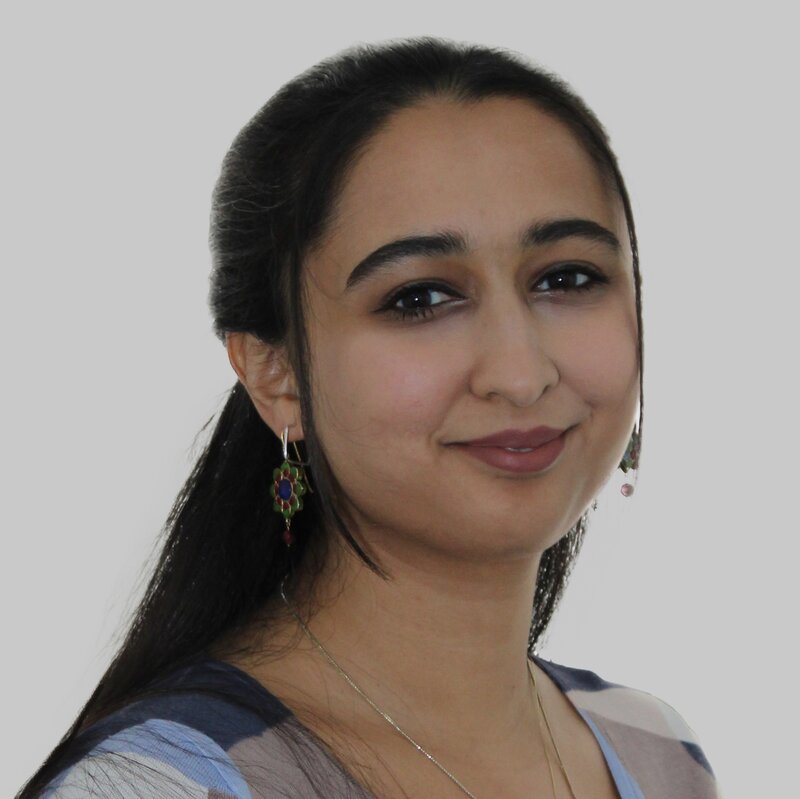

This stream focuses on building realistic defensive cybersecurity benchmarks utilizing data from Asymmetric Security's work on real-world incidents.
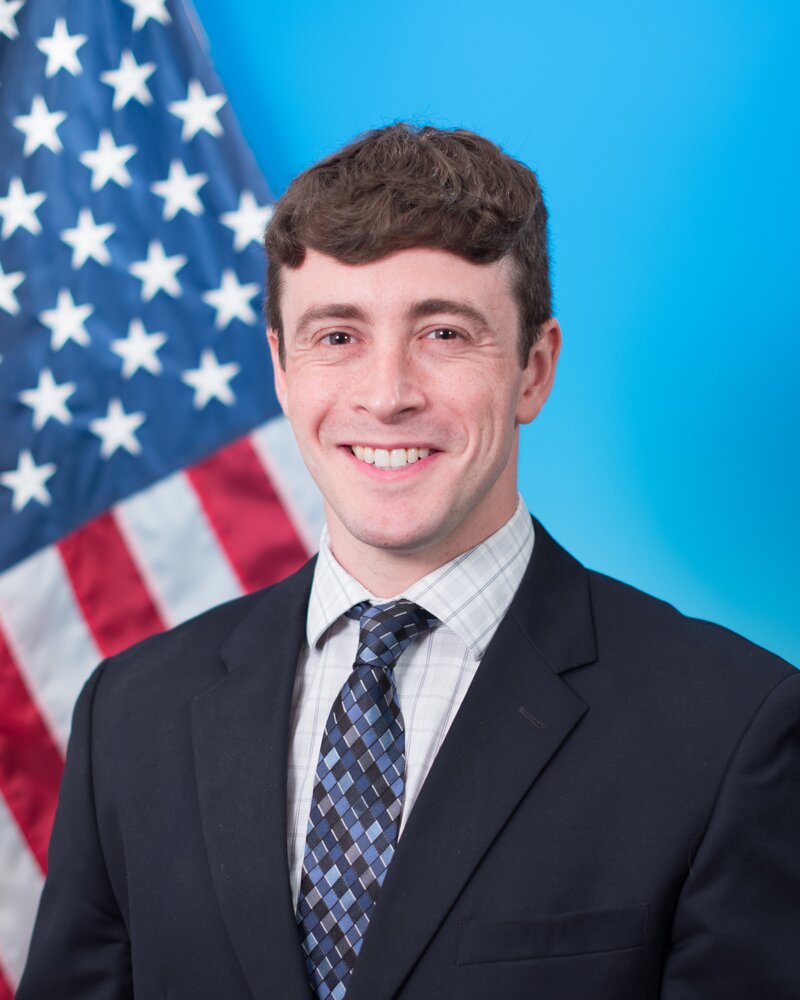
I'm mentoring projects that apply AI advances to core biosecurity challenges — early detection and attribution of biological threats, characterizing AI-enabled bioweapons uplift, accelerating medical countermeasure design, and building biosecurity-by-design into frontier biological AI tools. Fellows have wide latitude to scope their own project within (or adjacent to) these themes, including ideas I haven't yet considered, and are expected to drive the technical work independently. My comparative advantage is high-level strategic direction grounded in biosecurity, pandemic preparedness, epidemiology, and US R&D policy rather than hands-on ML or software engineering guidance.
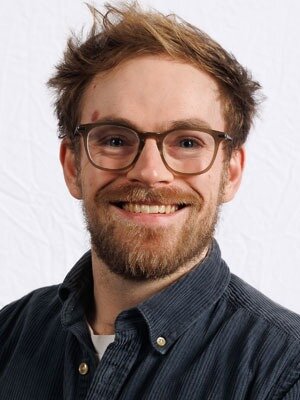
This stream focuses on mathematical modelling projects that quantify the comparative value and cost-effectiveness of pandemic and GCBR mitigating interventions (early warning and detection, biohardening, medical countermeasures etc), with a particular focus on how that picture shifts under threat scenarios involving AI-enabled uplift to biological capabilities, rather than a natural-emergence baseline. I'm also happy to supervise non-modelling, strategic and exploratory work in the same space (e.g. reasoning through how those AI-enabled scenarios actually differ and what they imply for the prospects of different interventions). For a better sense of what my team do more generally, have a look here: https://whittakerlab.com/.