MATS Winter 2027
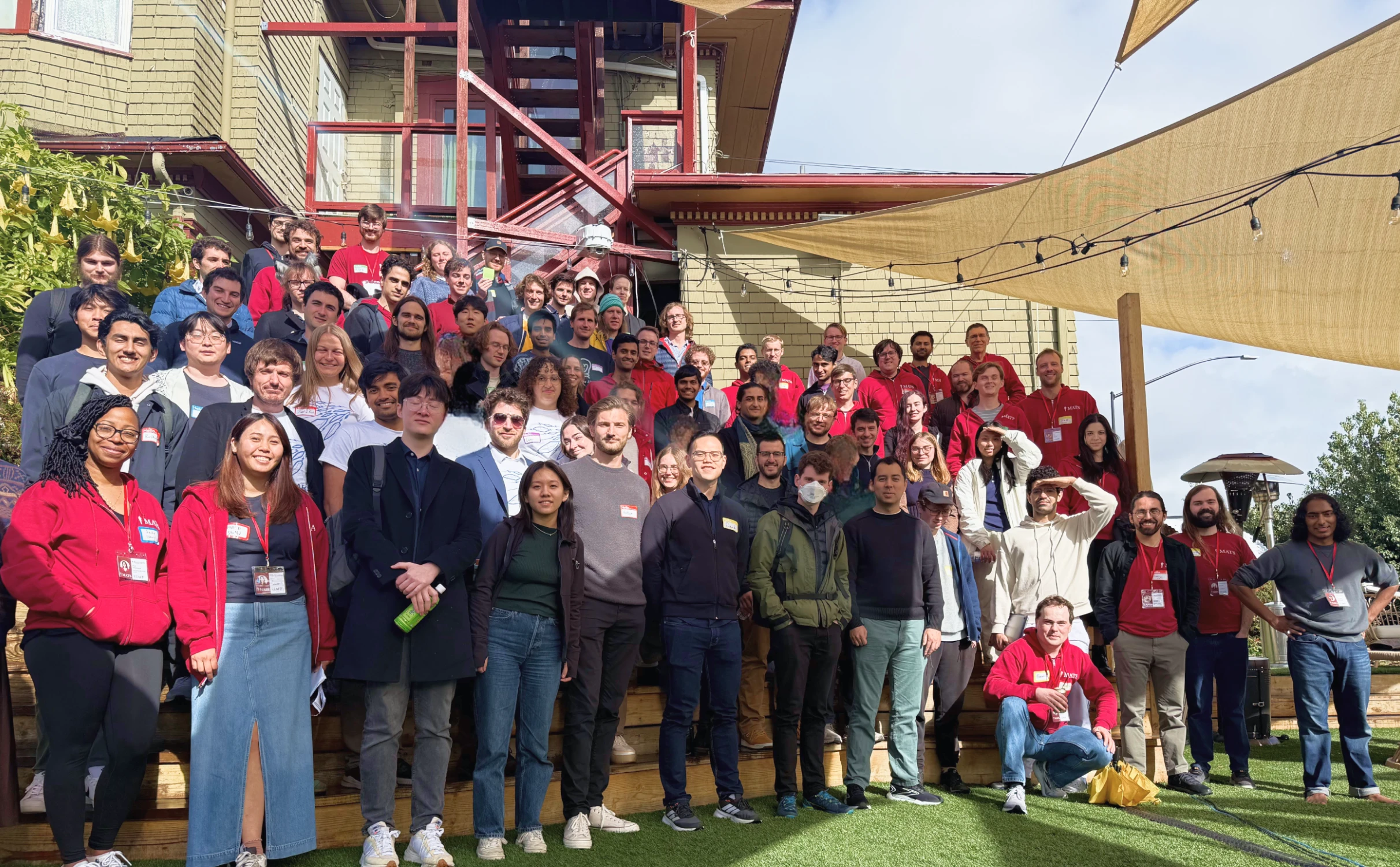
The Winter 2027 program will run for 12 weeks, from January 19th to April 10th, in Berkeley, CA and London, UK, with remote options also available. Fellows will receive mentorship from world-class researchers at organizations like Anthropic, Google DeepMind, OpenAI, Redwood Research, and ARC, with the option to apply for a 6–12 month funded extension beyond the main program.
Applications are now closed.
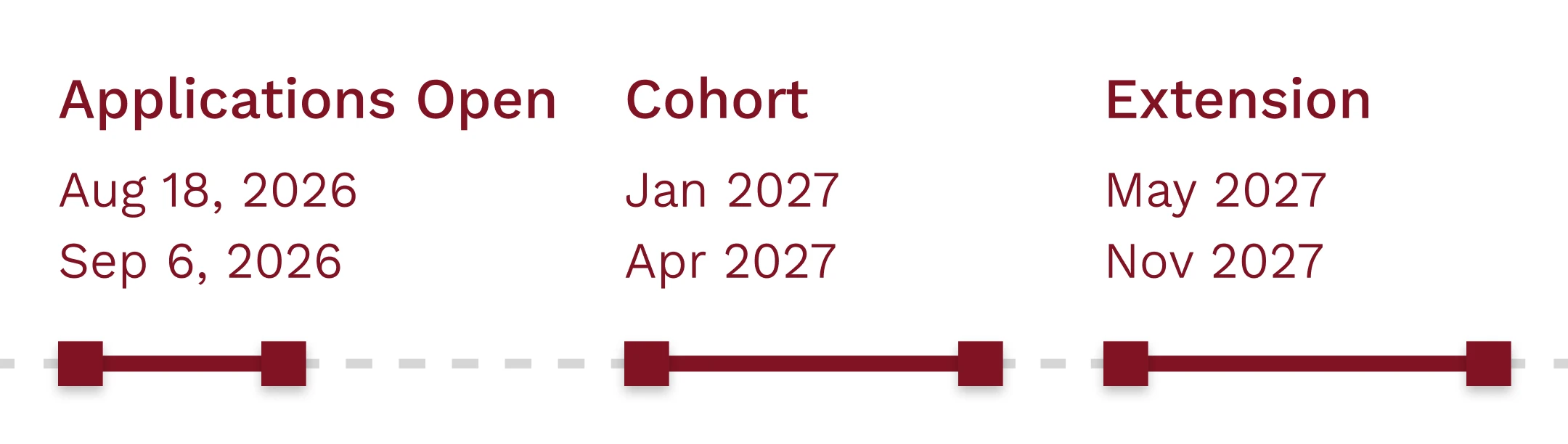
Program phases
Key dates for the application and admissions timeline
Applications typically open several months before the program begins. Applicants complete a multi-stage admissions process, beginning with a general application. Depending on the tracks, streams, and mentors they apply to, applicants may also complete additional evaluations such as interviews, work tests, coding assessments, or writing samples before final admissions decisions are made. More information can be found on the apply page.
In Stage 1, applicants apply to one or more tracks (broad research areas): Empirical, Theory, Strategy & Forecasting, Policy & Governance, System Security, Biosecurity, and Founding & Field-Building. In Stage 2, advancing applicants choose specific streams within those tracks, each led by one or more mentors with their own research agenda. You can view this list below or as a grid here.

This stream develops and analyzes protocols for verifying AI compute usage, including technical approaches to verification and their implications for AI development.
I'm interested in better understanding and controlling how post-training causes alignment-relevant behavior. This is a pretty broad area, and I’m open to many approaches to these problems! Potential areas of study / methods of attack might include model organisms, training run science/ablations, root causing strange behaviors, or studying how best to robustly induce behaviors or values or beliefs into models.

This stream focuses on building companies in AI assurance infrastructure, from energy and physical networking to authentication and interpretability.

We are excited to supervise projects:
1. Study the causes and implications of situational awareness, and the role that meta-cognition plays in (multi-agent) alignment;
2. Contribute to LawZero's Scientist AI, in the form of contextualization and uncertainty estimation.
Lee's stream will focus primarily on improving mechanistic interpretability methods for reverse-engineering neural networks.
This stream works on frontier AI regulation, including understanding and assessing existing regulatory frameworks and developing proposals for new or amended regulation.

The stream focuses on evaluating and/or mitigating catastrophic risk emerging from dangerous scientific capabilities in frontier AI systems, with an emphasis on the challenges that emerge from lab integrations and novel science. Potential research directions include evaluation design, risk mitigations and evaluation science.



The SL5 Task Force will build out a prototype SL5 datacenter this year together with frontier AI labs. This will be a massive research and engineering project with many avenues for spinning out new organizations and research programs. This project is urgent due to this technology being needed in the next 1 to 2 years.
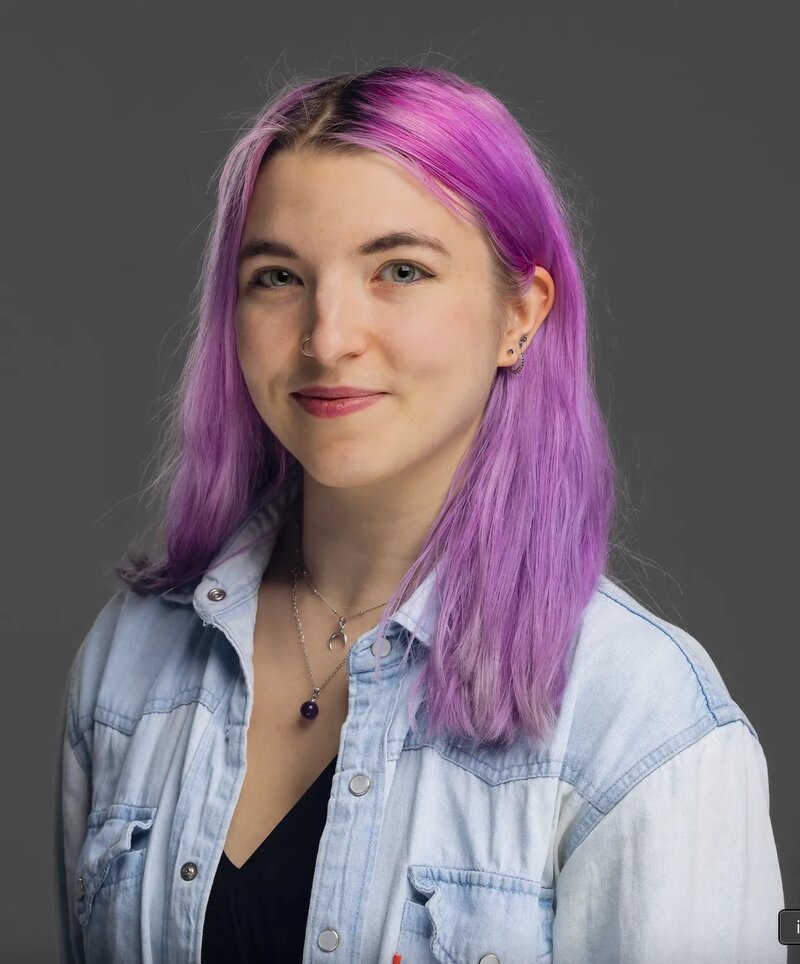
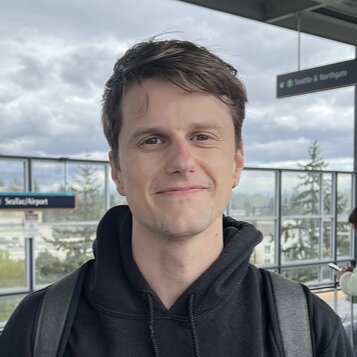
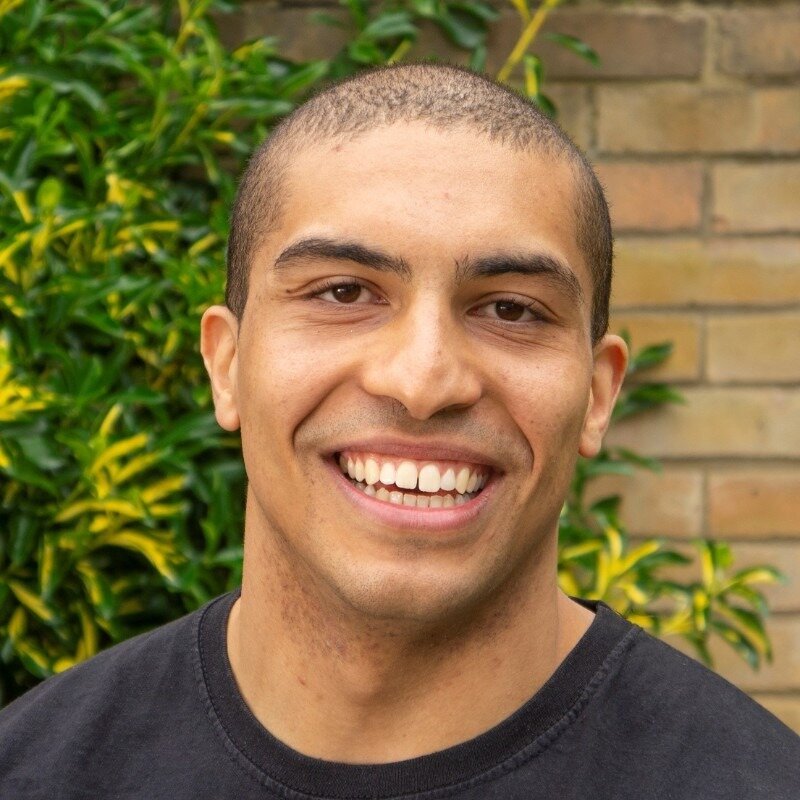
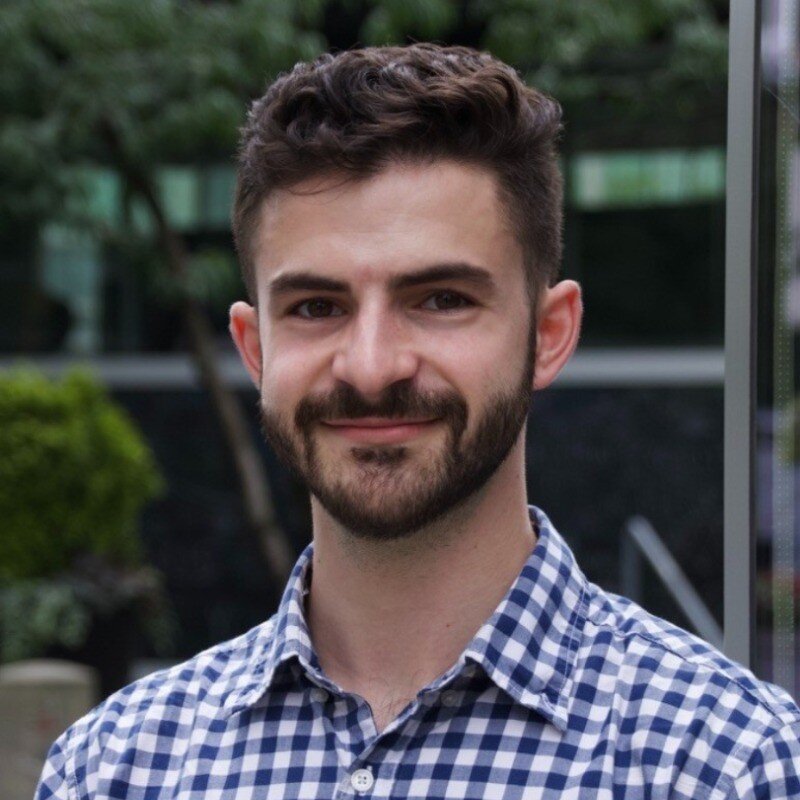
The MATS Program is supported by a diverse and highly respected group of mentors — top-tier researchers, engineers, and thinkers working across AI alignment, governance, interpretability, and security.








Application
What are the key dates for MATS Winter 2027?
The timeline for the MATS Winter 2027 program is:
- Application final deadline: September 6th, 2026
- Evaluations: September, October and early November
- Offers sent: Early to mid-November
- Program dates: January 19th to April 10th. The Winter 2027 Program has a time commitment of 40 hours per week over 12 weeks and takes place in-person in Berkeley, CA and London, UK. Remote or part-time participation is a possibility depending on your circumstances and mentor.
- Extension phase: Possible 6 or 12-month extension for select fellows after the 12-week program, starting in December.
What if I am accepted by multiple streams?
Based on stream rankings of applicants and applicant rankings of streams, a final matching process uses both sides' rankings to send out a single offer.
How long does the application process take?
Stage 1 applications open on August 18th and close on September 6th, end of day anywhere on Earth. Offers go out in early to mid-November, and the program starts on January 19th.
Finances
What does “financial support” concretely entail?
MATS provides a stipend of $1600 per week for participation in the main program ($19,200 for the full 12-week program). Scholars who are participating and performing research for less than 40 hours/week and/or for less than 12 weeks will receive stipends proportional to their level of participation.
Separately from this stipend, MATS will provide scholars with travel to and from Berkeley or London, housing, office space, and lunch and dinner on weekdays.
Do I have to pay taxes on the grant I receive for the MATS Program?
MATS participants may have to pay taxes on their grants based on the rules of the countries in which they are a resident for tax purposes. The grants should be regarded as private grants from a non-profit entity provided to individuals for the purpose of independent research and participation in a US-based educational seminar program.