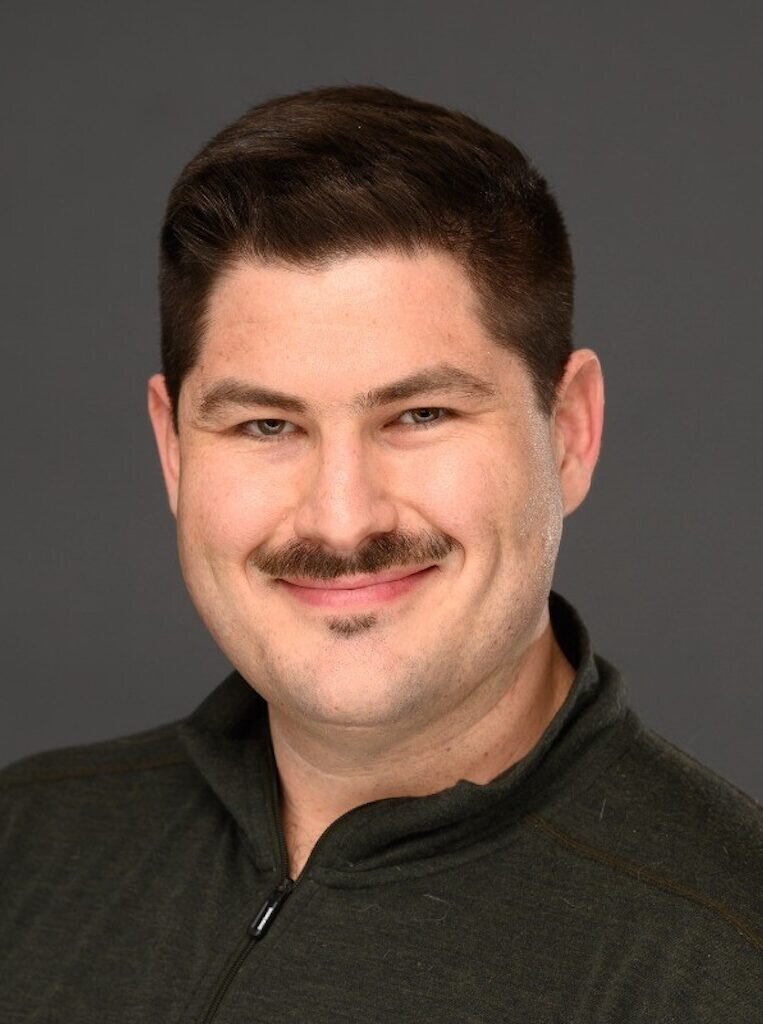
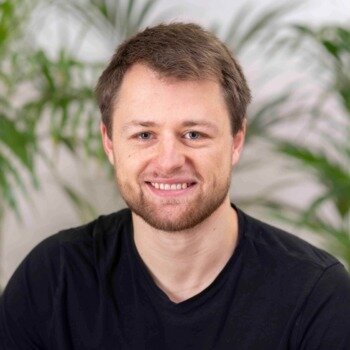
David Peinador Veiga
This stream focuses on measuring model performance on scientific tasks that could pose safety risks through misuse or unintended failure modes as well as the efficacy of guardrails and other mitigations.
Stream overview
Projects are likely to focus on evaluating AI capabilities for science.
Mentors
David is a Scientist in the AI Safety team at Lila Sciences, where he leads the technical design and implementation of dangerous capability evaluations in scientific domains like biology, chemistry, and materials science. His work involves measuring model performance on scientific tasks that could pose safety risks through misuse or unintended failure modes as well as the efficacy of guardrails and other mitigations. A core challenge is designing evaluations that meaningfully capture frontier capabilities; assessing not just what models can do today, but what emerging scientific reasoning abilities might enable in adversarial or failure scenarios.
In his previous role, David developed biosafety evaluations featured in the systems cards of Meta’s Muse Spark and multiple versions of Anthropic’s Claude Sonnet and Opus. Previously, he completed his PhD in Theoretical Physics at Queen Mary University of London.
Mentorship style
We can schedule a weekly 1h meeting, for general progress updates, sharing results, and overall guidance. I would be reachable on Slack as well for async comms. Happy to jump on ad-hoc calls for specific discussions or pair coding/debugging. I am based in London and I work UK hours (10am-7pm), but I also visit the US (Boston) a few times a year.
Fellows we are looking for
Essential
- Strong skills in working in Python projects. Python packages, git/GitHub
- Research or academic experience. Research literacy and independence.
- Experience with LLMs in research or applied projects
- Proactive, self-driven attitude.
- Statistics (probability theory, significant tests)
Preferred
- Experience in model evaluations and evaluation frameworks (like Inspect AI)
- Tool use: sandboxing environments, MCP.
- Experience building interactive LLM environments with complex tooling.
- Subject matter expertise in biology, chemistry or materials.
- Experience with mitigation techniques: content classifiers, interpretability, jailbreaks
Not a good fit:
- Working exclusively on Jupyter notebooks
- Fellows who exclusively want to work on white box models or RL.
Project selection
I will work with the fellow to find the right project that suits their interest within the directions spelled out above. I will pitch a few project ideas and support the fellow in making the decision. I also welcome project suggestions; in those cases I would work with the fellow to scope it appropriately.
The Winter 2026 cohort offers a wide range of research streams led by experts across AI alignment, interpretability, governance, and safety. Each stream provides its own research agenda, methodology, and mentorship focus.