Transluce
We build scalable technology for AI understanding and oversight.
Stream overview
We’re building scalable, AI-backed systems for analyzing, testing, and interpreting AI agents, and using these to study behaviors like sycophancy, self-harm, and reward hacking. We’re looking for scholars who want to help us push forward this work.
Some concrete projects include: scalable, end-to-end tools for interpretability and behavior elicitation; creating robust LLM judges for Docent; scalable search and retrieval for large agent transcripts.
High-touch (+2 hours of weekly 1:1s)
SF Bay Area
Indifferent
Strong preference
Mentors
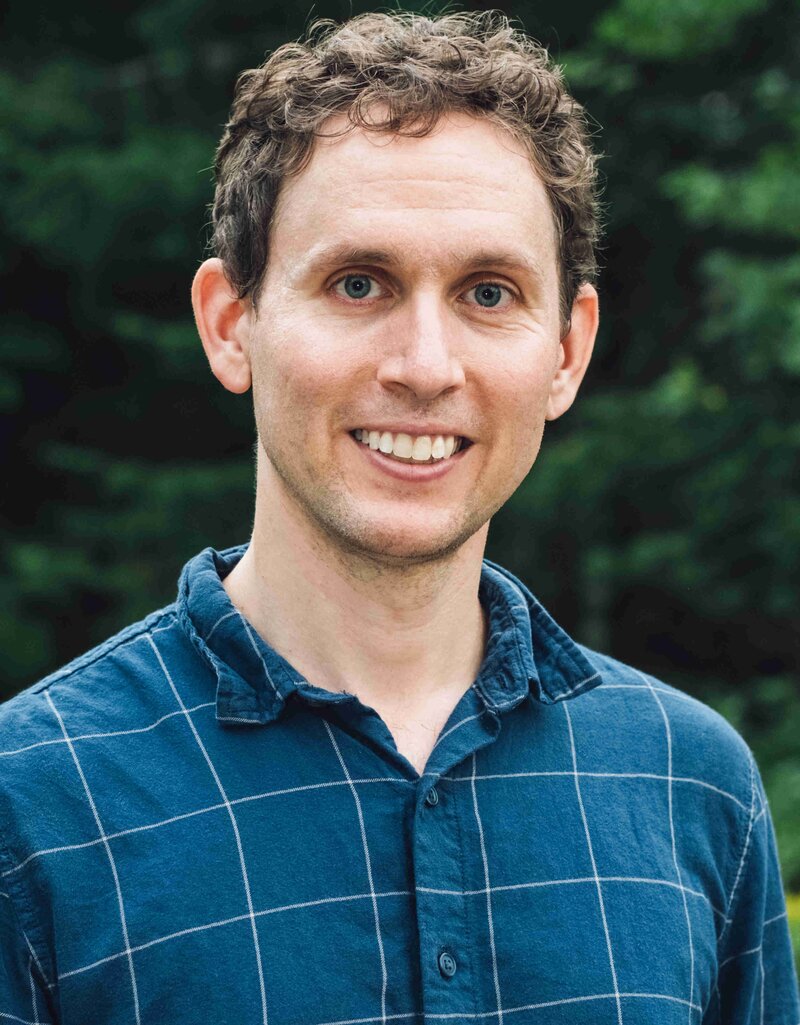
I am an Assistant Professor of Statistics and EECS at UC Berkeley, where I’m also part of BAIR and CLIMB. I am also Founder & CEO of Transluce, a non-profit research lab building open, scalable technology for understanding frontier AI systems.
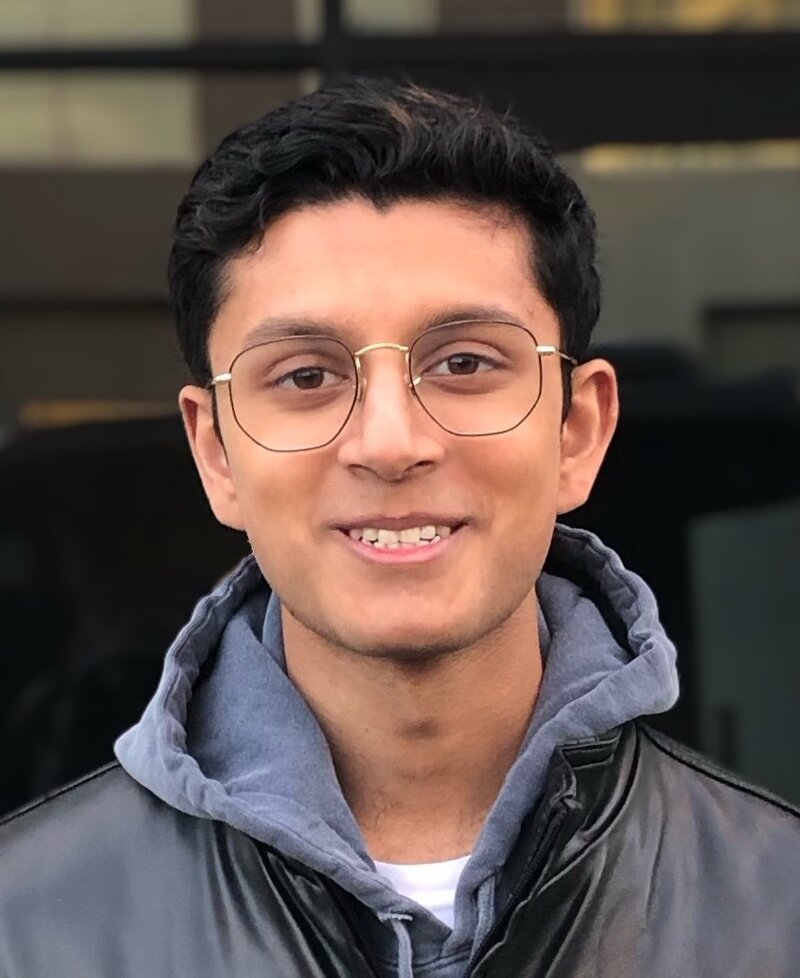
Neil Chowdhury is a member of technical staff at Transluce, a research lab building tools for understanding AI systems. Chowdhury previously worked on safety at OpenAI.
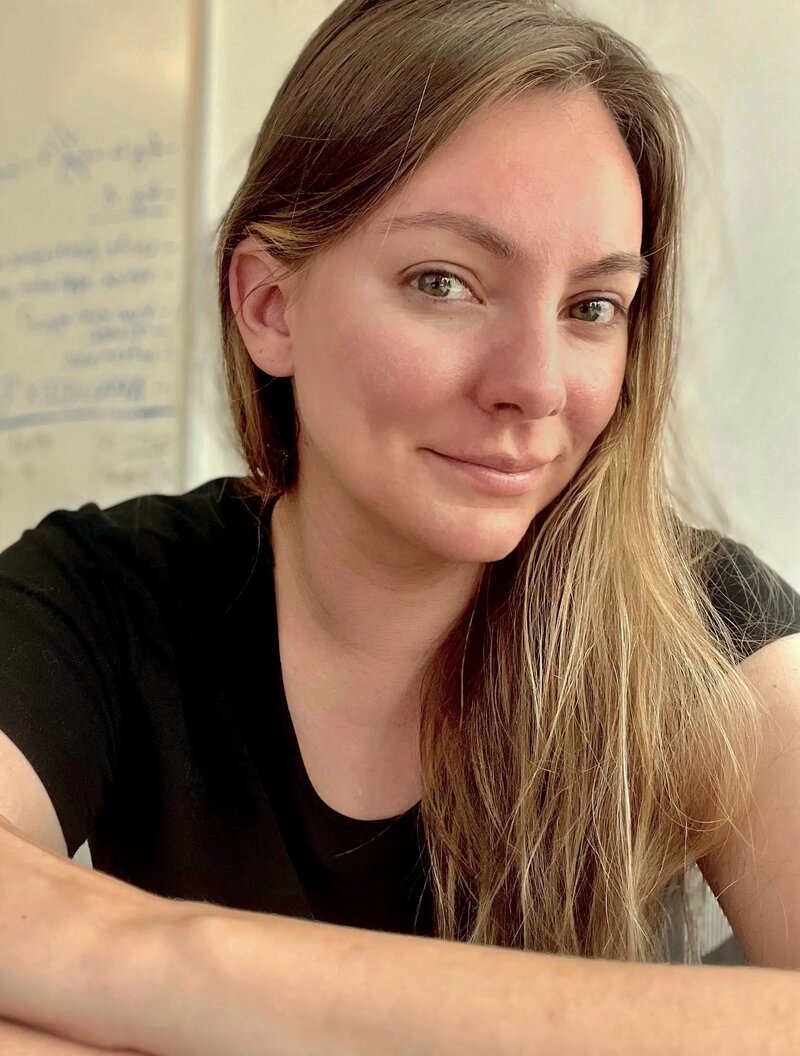
I’m a Research Scientist in MIT CSAIL with the MIT-IBM Watson AI Lab. I did my PhD in Brain and Cognitive Sciences at MIT, as an NSF Fellow working with Josh Tenenbaum and Antonio Torralba. My work investigates representations underlying intelligence in artificial (and previously, biological) neural networks.
Fellows we are looking for
We're looking for strong, experienced software engineers or talented researchers who can hit the ground running and iterate quickly.
ML experience is a bonus but not required.
Project selection
We will talk through project ideas with scholars