
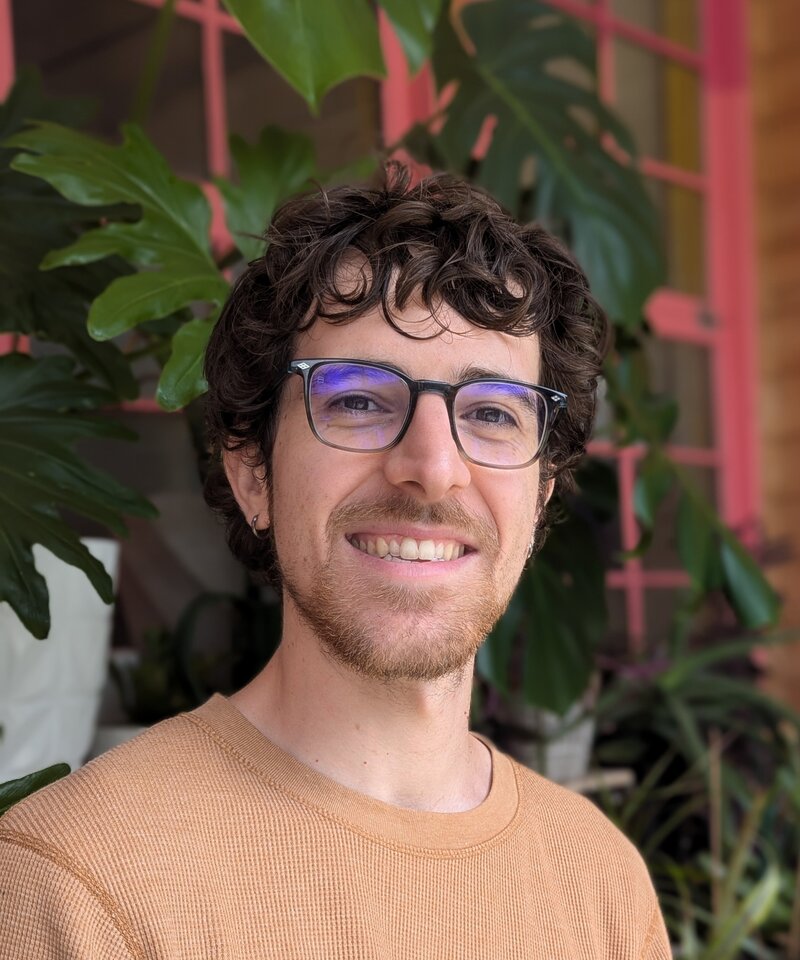
Tomek Korbak, Micah Carroll
We are interested in AI control and scalable oversight. I'm excited to work with scholars interested in empirical projects building and evaluating control measures and oversight techniques for LLM agents, especially those based on chain of thought monitoring. I'm also interested in the science of chain of thought monitorability, misalignment and control. An ideal project ends with a paper submitted to NeurIPS/ICML/ICLR.
Stream overview
Some example projects:
- Forcing AI agents to externalize their cognition, either through information bottlenecks in multi-agent architectures or training techniques
- Training AI agents to be more honest
- Training AI agents to have more monitorable chain of thought traces
- Agentic monitors: ones that take actions, retrieve additional context and interrogate overseen agents
SF Bay Area
Mentors
I’m a Member of Technical Staff at OpenAI working on monitoring LLM agents for misalignment. Previously, I worked on AI control and safety cases at the UK AI Security Institute and on honesty post-training at Anthropic. Before that, I did a PhD at the University of Sussex with Chris Buckley and Anil Seth focusing on RL from human feedback (RLHF) and spent time as a visiting researcher at NYU working with Ethan Perez, Sam Bowman and Kyunghyun Cho.
Micah is a researcher on OpenAI’s safety team interested in AI deception, scalable oversight, and monitorability. He is on leave from a UC Berkeley PhD focused on AI alignment with influenceable humans, AI manipulation from RL training, and recommender-system effects.
Fellows we are looking for
An ideal mentee has a strong AI research and/or software engineering background. A mentee can be a PhD student and they can work on a paper that will be part of their thesis.
Project selection
I'll talk through project ideas with scholar