

AI Futures Project
We are interested in mentoring projects in AI forecasting, governance, and strategy. We want to improve the epistemic environment around thinking about AI risk by putting out concrete scenarios, exploring different dynamics and worlds that might happen, trying to forecast how things will go, and sometimes talking about how to deal with the risks. We hope that having better resources for thinking about the future will lead to better outcomes.
Stream overview
We are interested in mentoring projects in AI forecasting, governance, and AI strategy broadly. Potential projects include but aren't limited to:
- Scenario writing: Writing scenarios that branch off of AI 2027 or AI 2040, or that look at other important worlds and dynamics we think would be worth playing out.
- Policy research: Improving some of the policy ideas in AI 2040: Plan A and coming up with other policy ideas for different plans, for instance what good domestic regulation would look like in Plan B and Plan C, or versions of Plan A that work with less political will, etc. We're also open to people coming up with near-term policy recommendations or government asks that seem good on their own, or that help set up the world to do things like Plan A or a slowdown/pause in the future.
- Modeling / forecasting: We're potentially interested in people helping build or improve our modeling efforts. This could look like helping improve our economic modeling for scenarios, our timelines and takeoff modeling, compute modeling, or just generally thinking about variables that could have big impacts on the world during the intelligence explosion and modeling and forecasting how they'll go, etc.
- Other types of strategy research: We're open to people thinking about other kinds of AI strategy work, for instance space governance, how bad concentration of power is relative to takeover risk, model spec research, etc.
Mentors
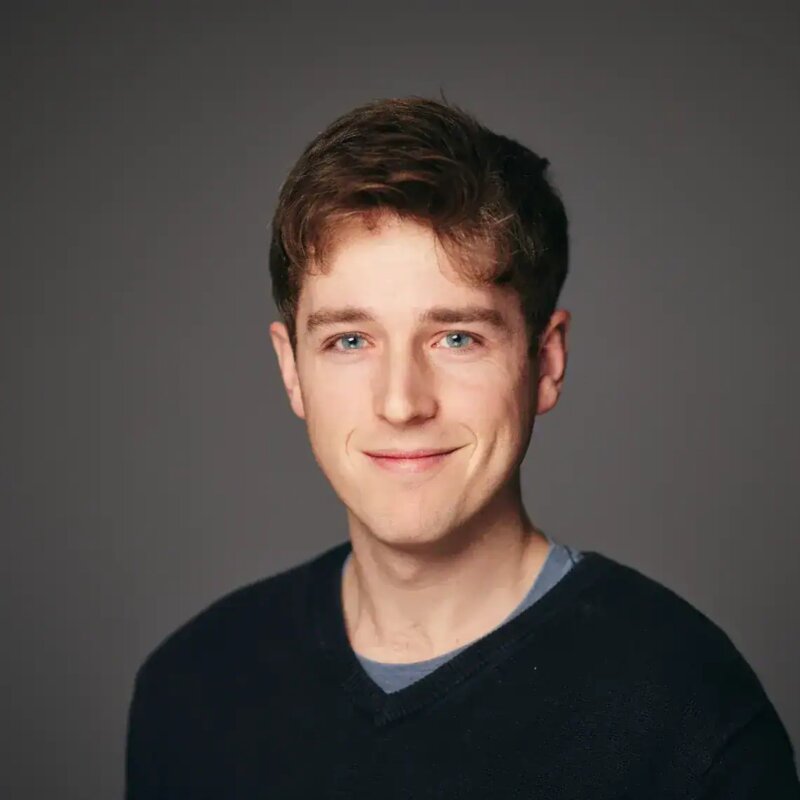
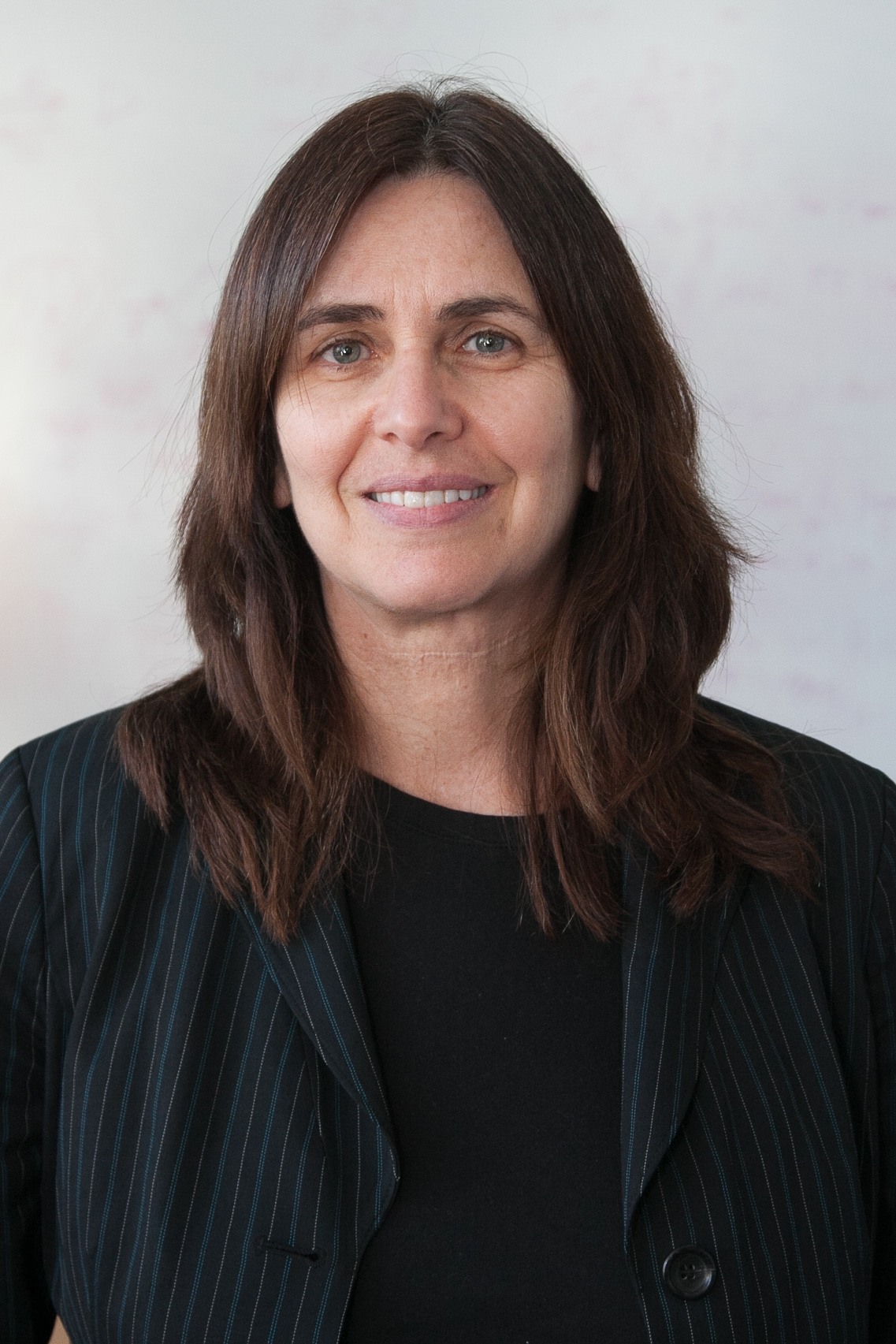
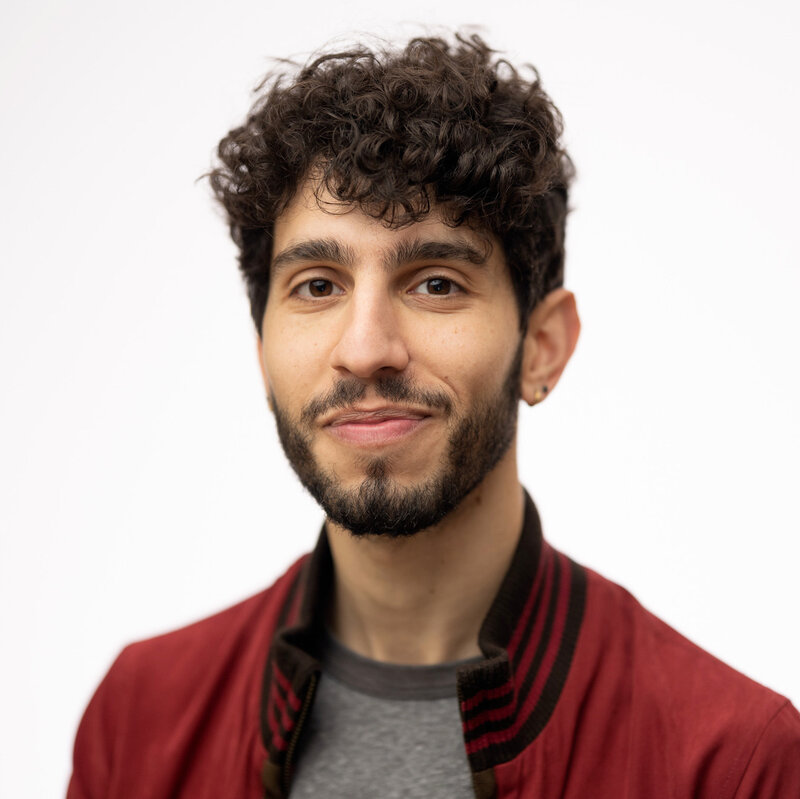
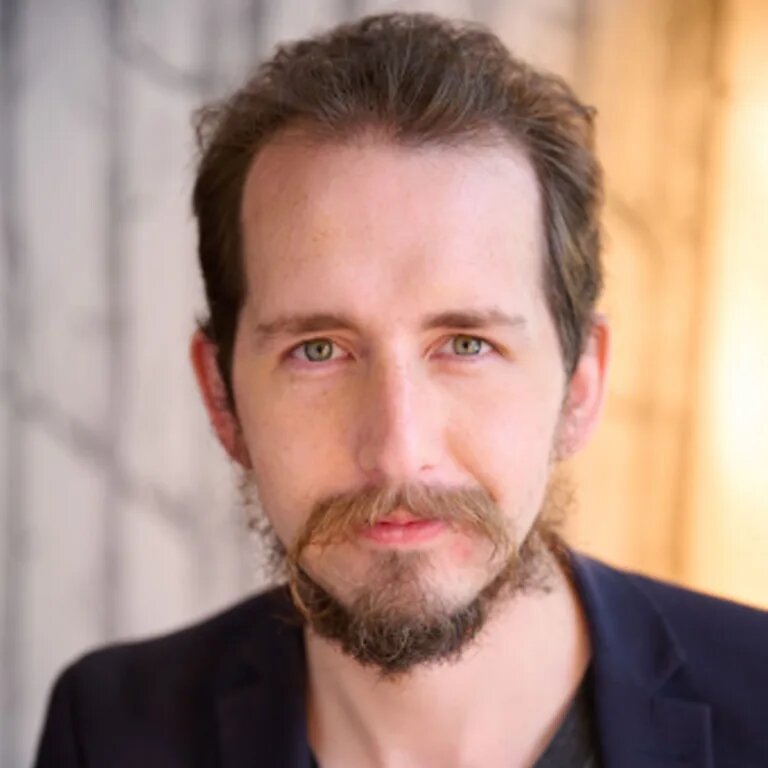
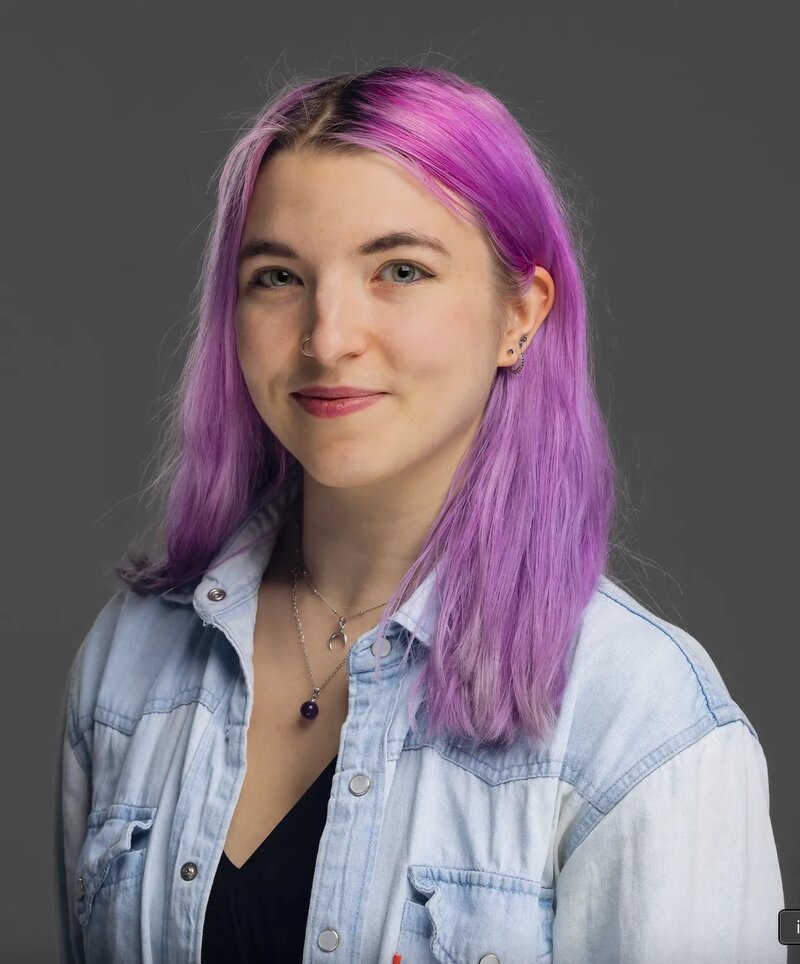
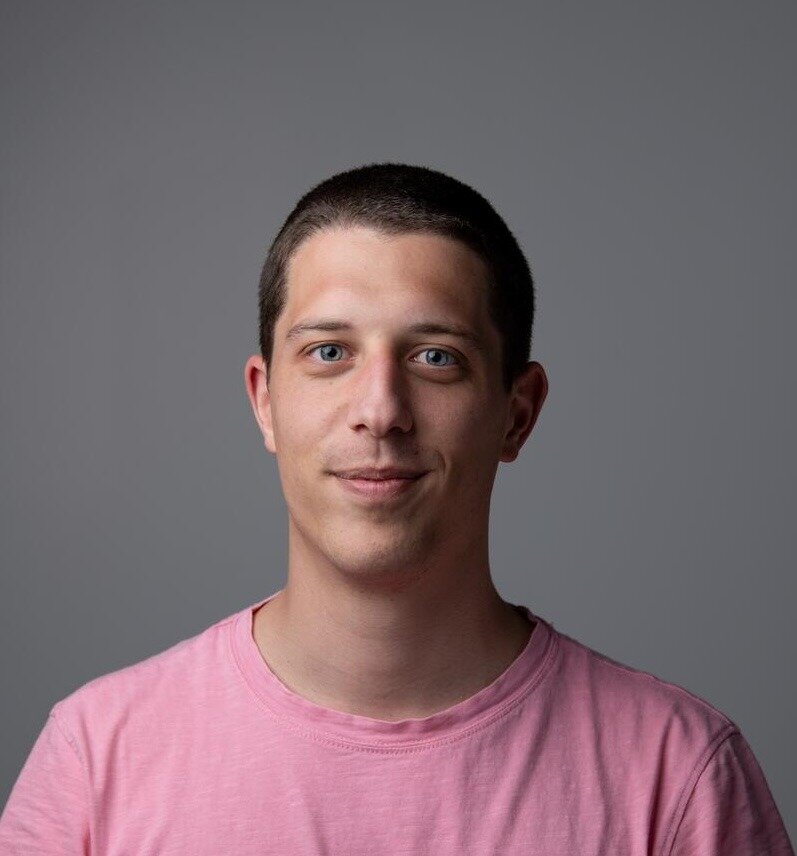
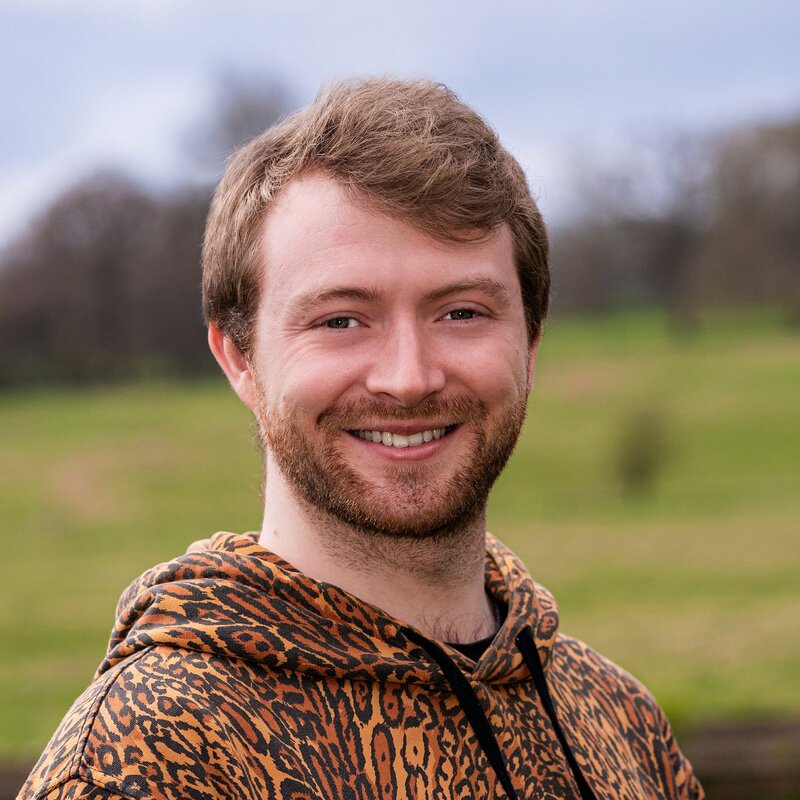
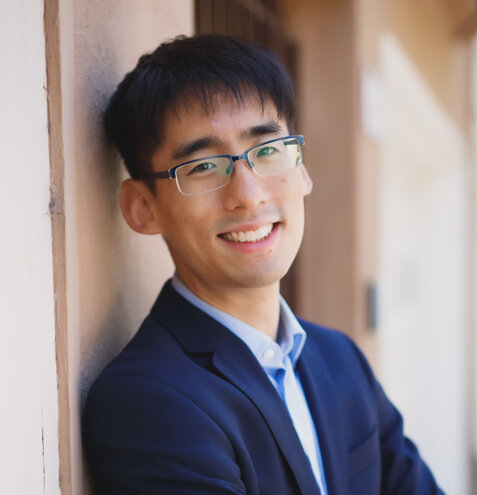
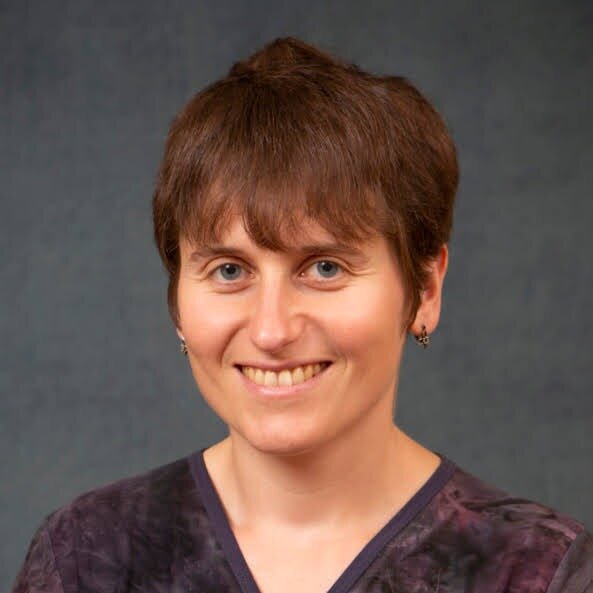
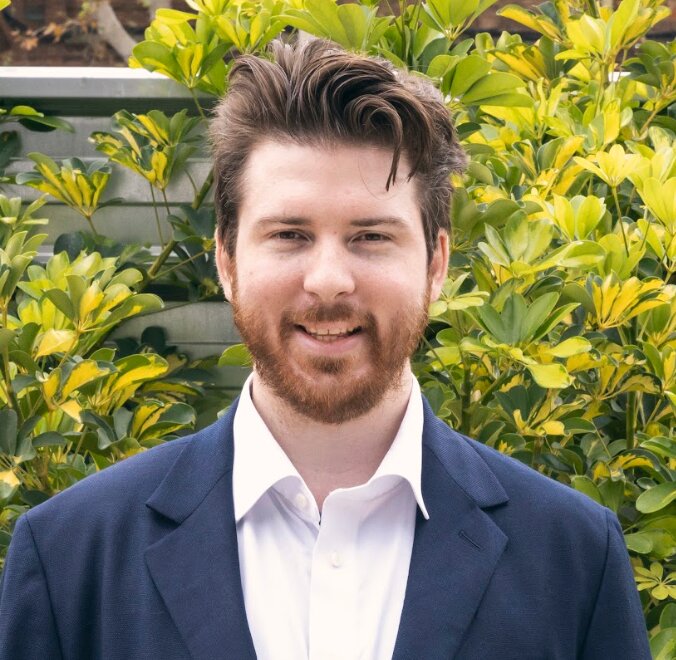
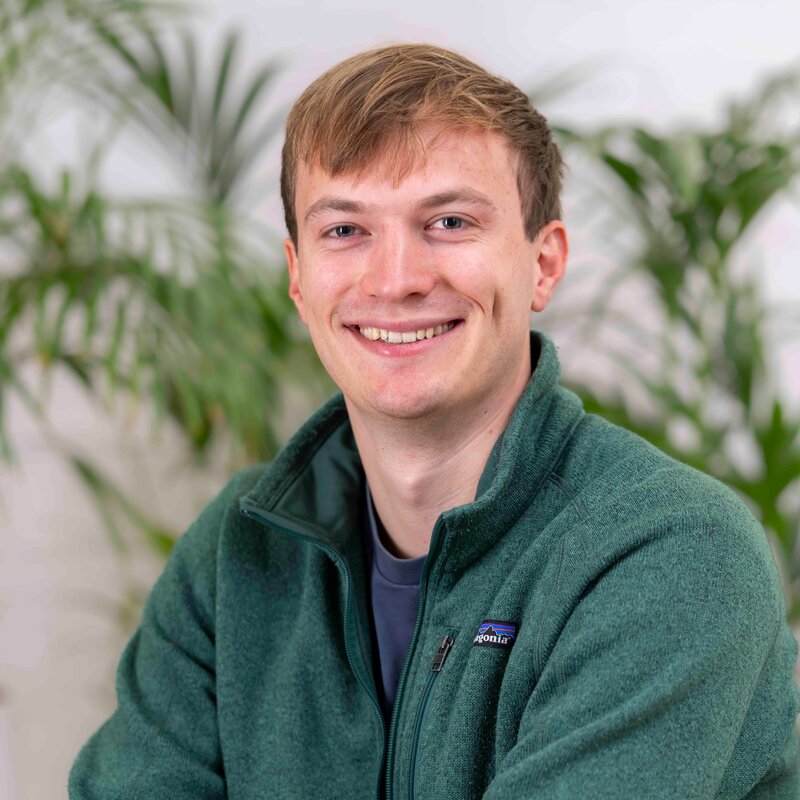
Romeo is working on forecasting detailed AI scenarios and developing policy recommendations with the AI Futures Project. He focuses primarily on compute and security forecasting. Previously he was an IAPS Policy Fellow and graduated with a concurrent master's in Computer Science at Harvard with a systems and hardware focus.
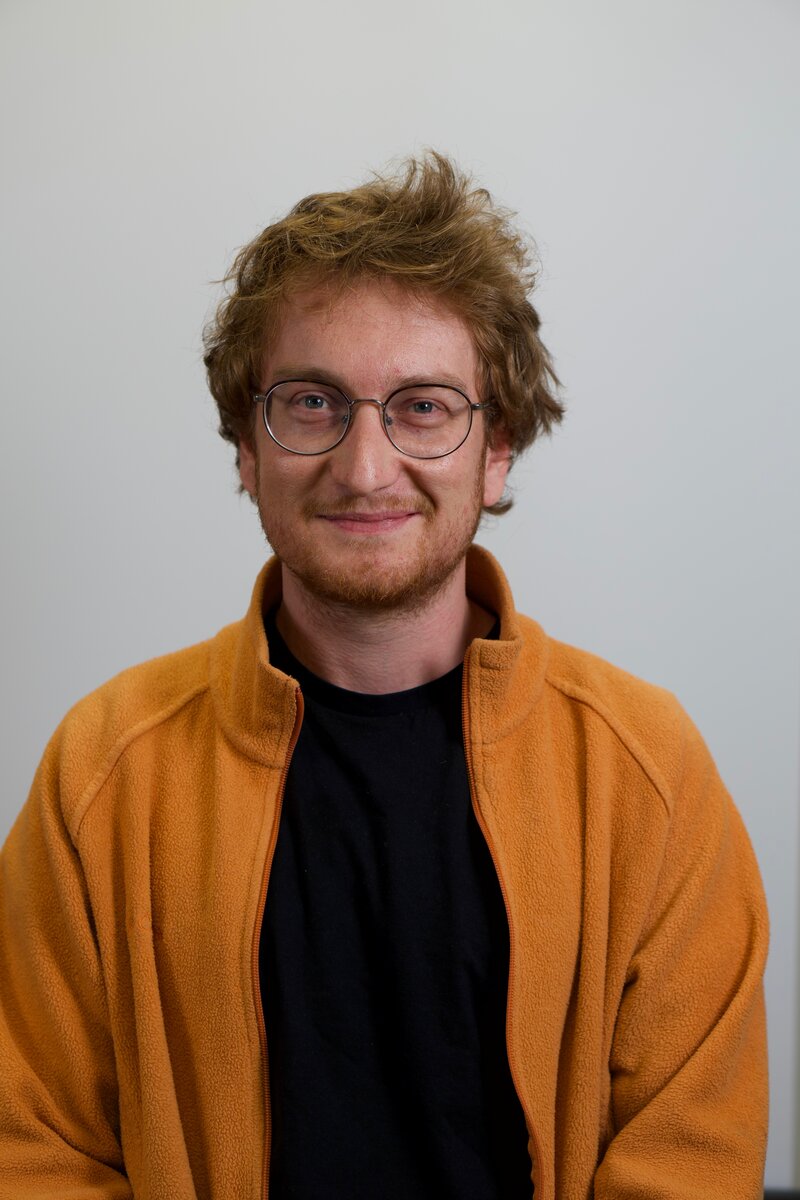
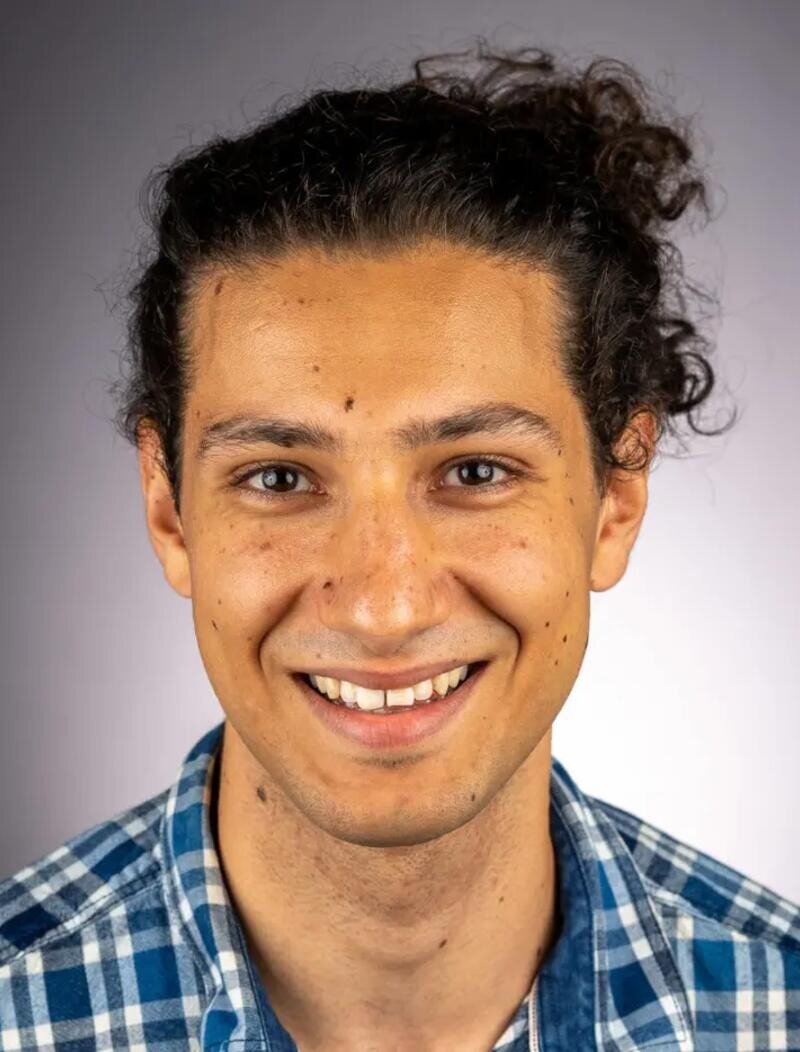
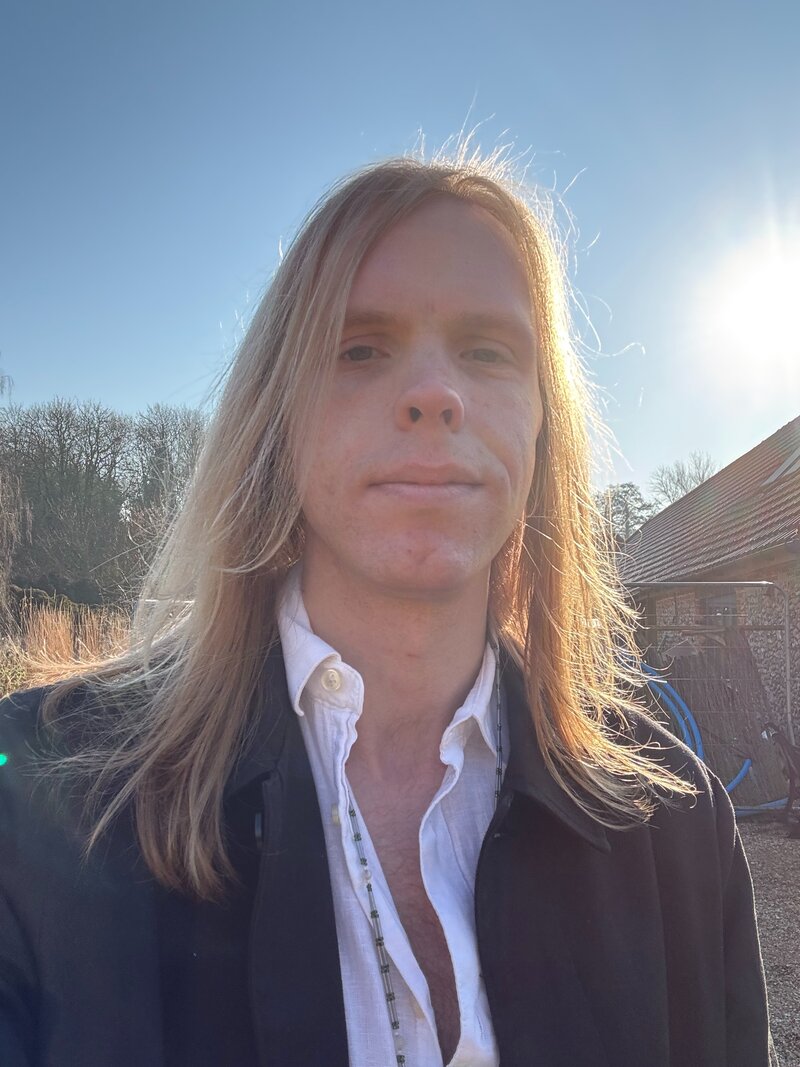
Thomas is a researcher at the AI Futures Project. He was a co-author on the widely read AI 2027 scenario forecast. He previously founded the Center for AI Policy, an AI safety advocacy organization, and worked on AI safety research at the Machine Intelligence Research Institute.
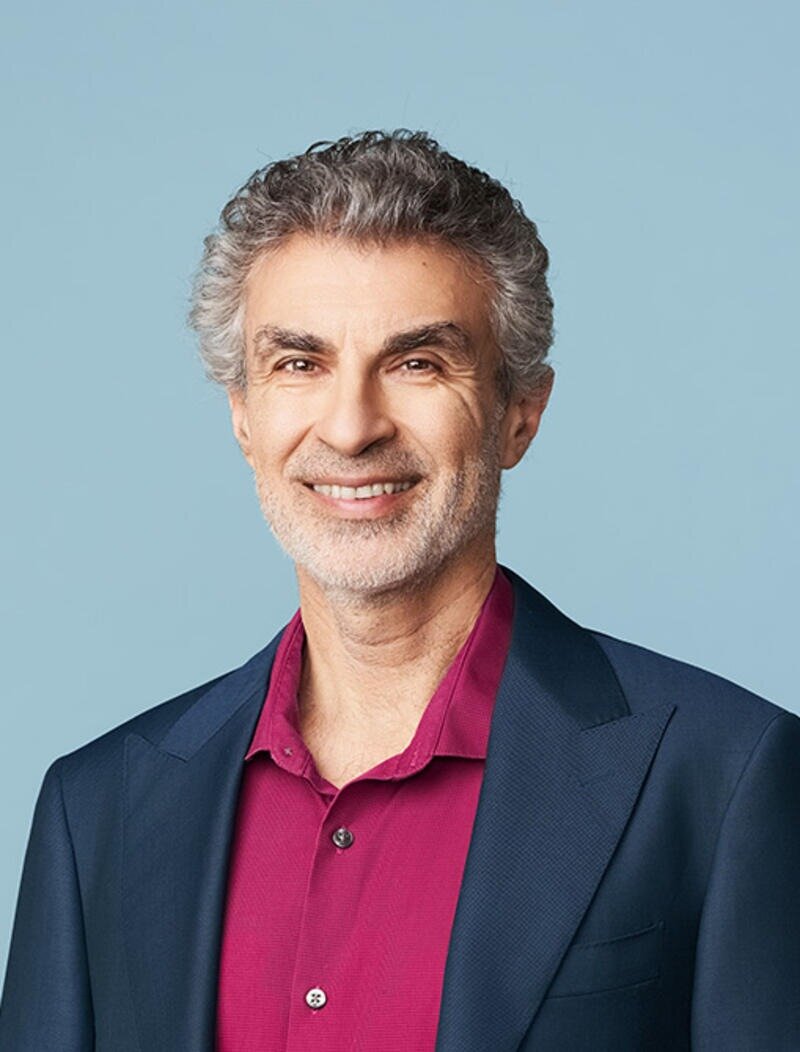
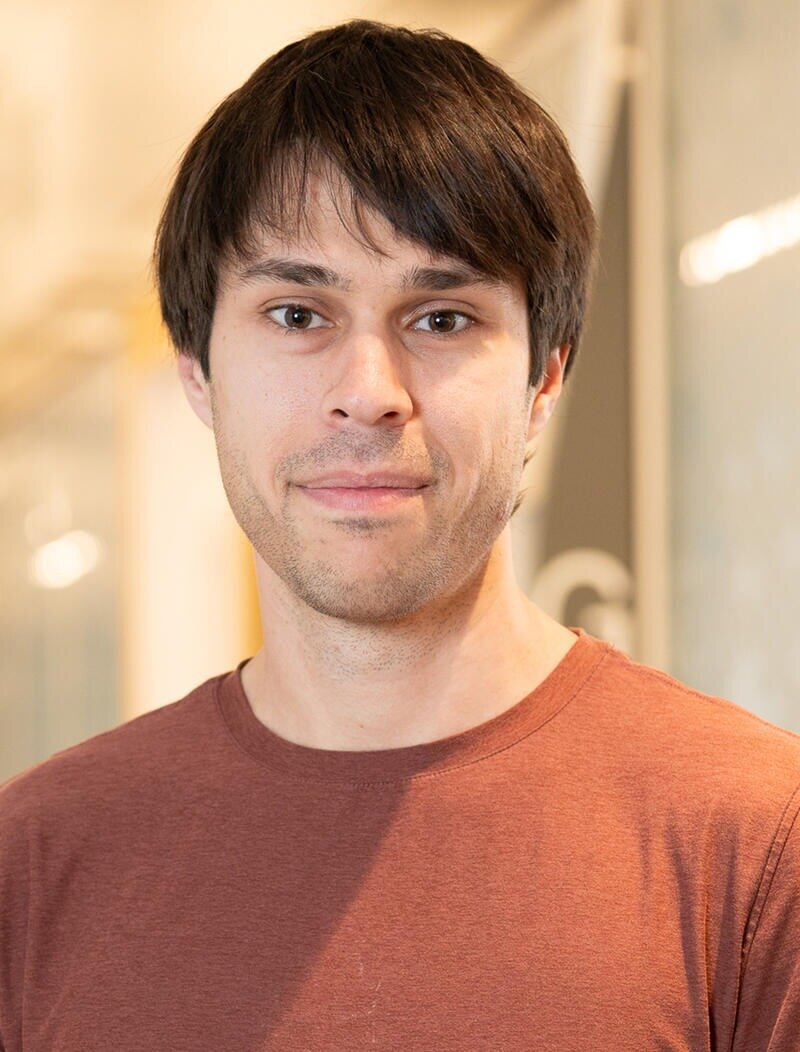
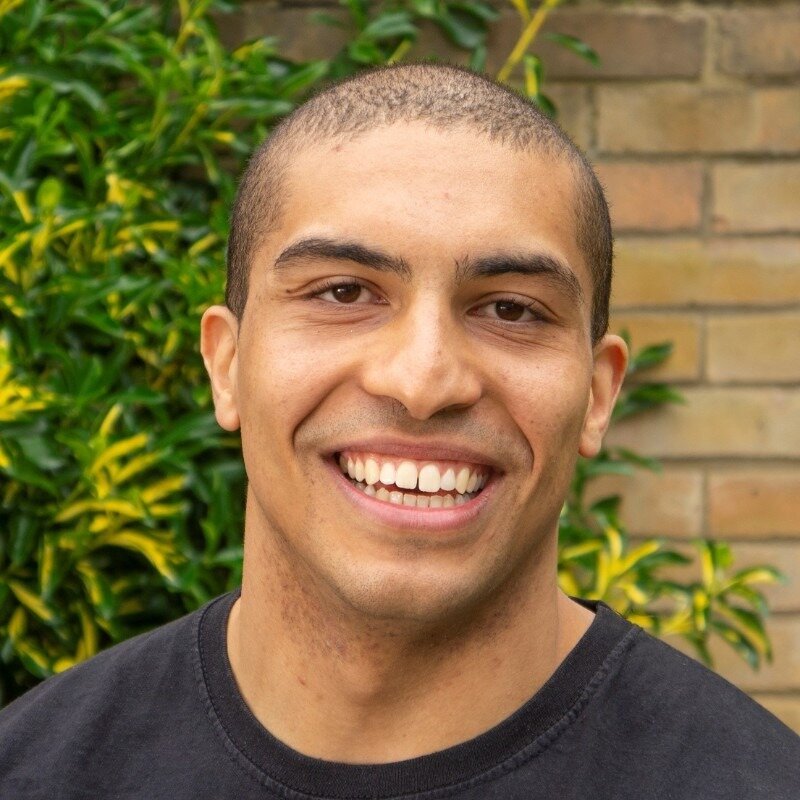
Daniel is working on forecasting detailed AI scenarios with Eli Lifland, Thomas Larsen, Jonas Vollmer, and Romeo Dean.
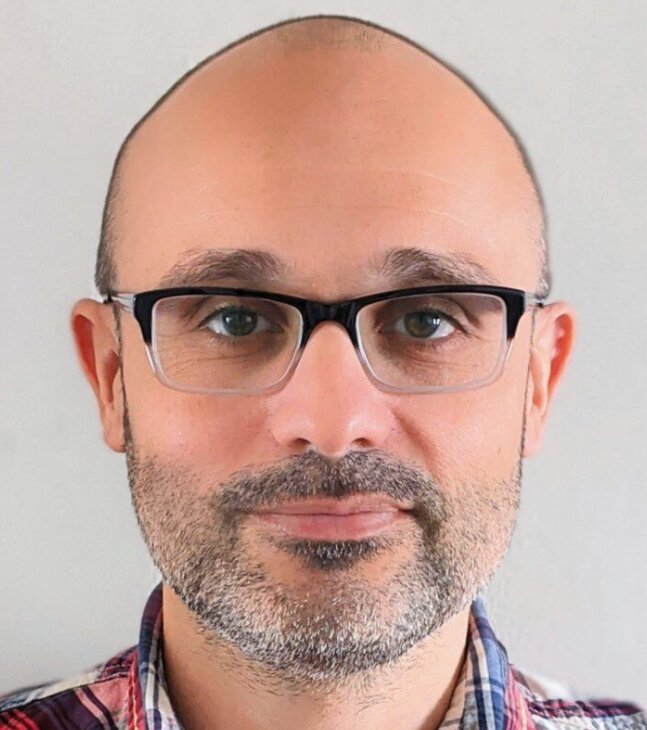
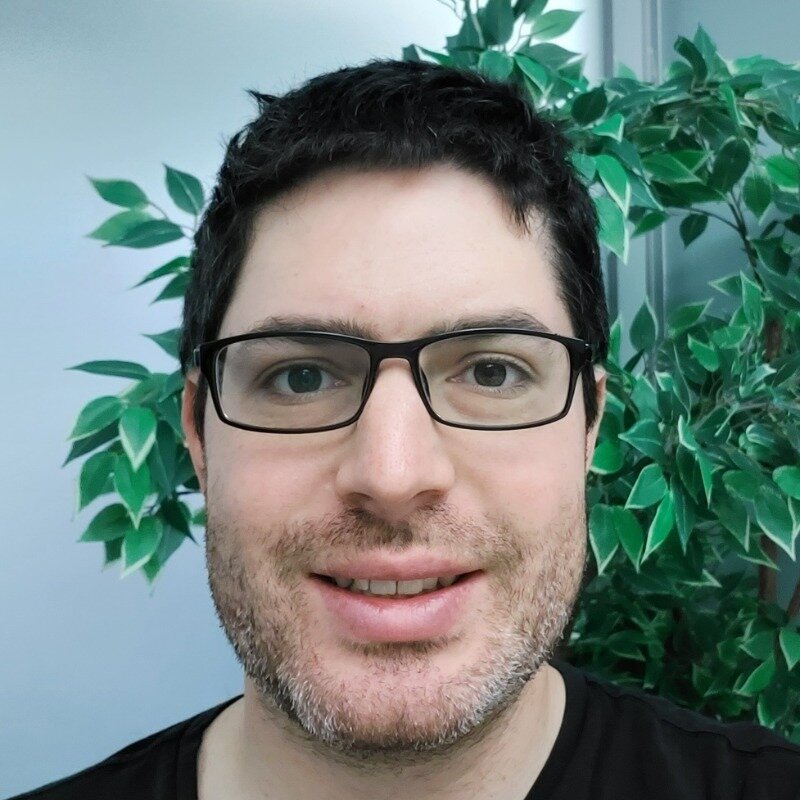
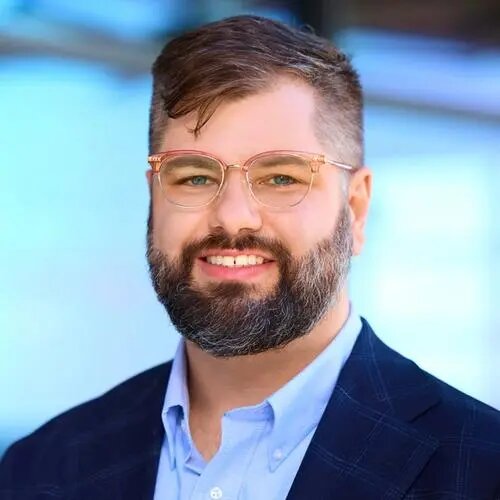
Eli is working on AI scenario forecasting with the AI Futures Project, where he co-authored AI 2027. He advises Sage, an organization he cofounded that works on AI Digest (interactive AI explainers) and forecasting tools. He previously worked on the AI-powered research assistant Elicit.
Mentorship style
We will have meetings each week to check in and discuss next steps. We will be consistently available on Slack in between meetings to discuss your research, project TODOs, etc.
Fellows we are looking for
The most important characteristics include:
- Strong reasoning and writing abilities
- Excitement about AI forecasting/governance research
- Autonomous research skills
- Ability to learn quickly
Project selection
We will talk through project ideas with scholar
The Winter 2027 cohort offers a wide range of research streams led by experts across AI alignment, interpretability, governance, and safety. Each stream provides its own research agenda, methodology, and mentorship focus.