政策与治理方向研究先进 AI 目前如何治理,以及应该如何治理。随着 AI 能力快速提升,许多最棘手的问题已不再只是技术问题,还涉及国际协调、不确定性下的政策制定、国家能力、监管设计,以及如何将安全目标转化为现实政策与制度。未来 6 至 12 个月作出的决定,将影响实验室开发什么、政府提出哪些要求,以及未来数年的监督方式。
本方向涵盖多类研究。有些研究流关注具体治理机制,包括评估、标准、安全措施、监控系统和执行机制;另一些则开展政策与制度分析,例如比较不同治理制度、监管框架和国际协调难题。还有一些研究流探讨更广泛的问题,例如先进 AI 如何改变全球权力格局,以及治理方式能否切实降低灾难性风险。
我们希望研究员能够清晰地分析和撰写相关议题。以往届别中的优秀申请者拥有多种背景,包括政策、经济、法律、政治学、公共管理、安全研究、哲学、计算机科学、预测研究、社会学、历史、新闻,以及科学与技术研究。
我们会根据契合度为研究员匹配导师,并规划项目,使其在项目结束前产出具体成果,例如政策备忘录、监管意见、技术规范、比较分析和同行评审研究。本方向的成果面向 AISI 工作人员、实验室治理团队、监管机构、标准组织,以及参与前沿 AI 治理的研究与政策社区。
This stream will focus on AI auditing, evaluation standards, and governance.
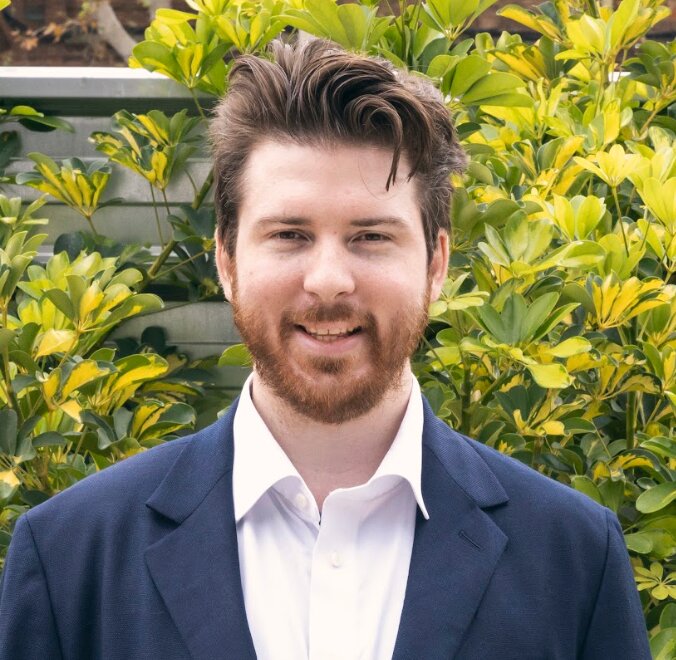
I lead policy development at the AI Policy Network. We do advocacy around AI safety, especially in DC. I am hoping to get more help developing policy ideas for future policy windows.
- Past experience writing in a non-academic context, especially memos or blog posts that are very readable by busy people.
- Some working knowledge of the frontier AI policy landscape (e.g., you know roughly what the compute supply chain looks like, what the current US executive actions are, what "recursive self-improvement" and "AI control" mean, and who the major players are.)
- You have self-direction and prior experience working on research independently.
We work to advance technically grounded international coordination to reduce catastrophic risks from frontier AI, with a particular focus on China and US. We translate technical AI safety and governance tools into practical proposals for coordination.
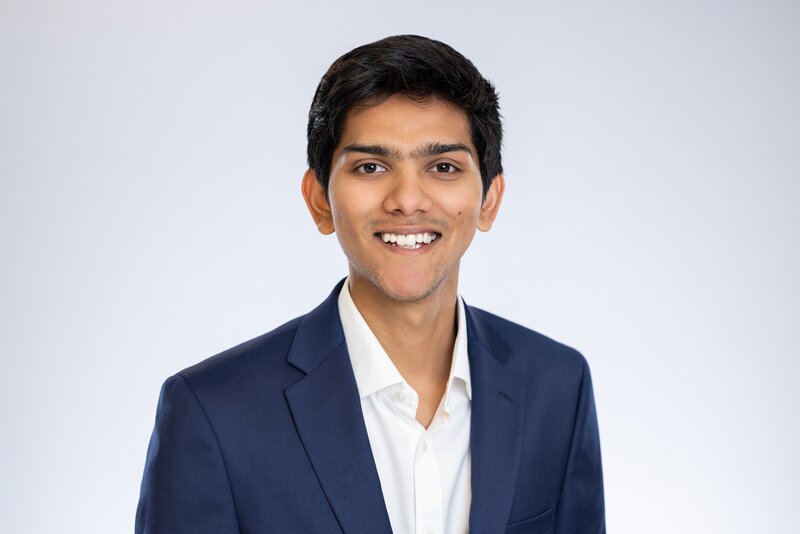
1 hour weekly meetings by default for high-level guidance. We are active on Slack and typically respond within a day for quick questions.
We will provide a shortlist of projects that we are keen for the scholar to work on in Week 1. We'll ask scholars to scope these in the 1st week and make a determination about which project to focus on in Week 2.
I work on mitigating risks from scheming or compromised AI agents deployed for high-stakes national security tasks.
1. **Essential**:
**Strong writing:** Can write clearly and precisely for both technical and policy audiences (or has shown clear potential to).
**Transparent reasoning:** Excels at conceptual reasoning, lays out arguments and assumptions explicitly, and brings a skeptical mindset.
**Research Independence:** Has previously taken ownership of a research project and can make progress without frequent direction on what to do next.
**GCR Familiarity:** Is broadly familiar with the core GCR/TAIS literature, and if not, has demonstrated ability to upskill quickly on relevant topics.
This stream will focus on technical AI governance research -- hence the name TAIGR. We will follow an academic collaboration model and produce open research on applied AI safeguards, incidents, laws, and other impactful topics in AI governance.
By default, we should expect to meet 2-3 times per week as a full group, plus ad hoc project-specific meetings.
I will work with MATS scholars to iteratively refine project ideas in whatever area our interests and skills overlap. Above all, project selection will hinge on having a clear (and good) theory of impact.
MATS 项目是一项为期 10 周的研究奖学金计划,旨在培养和支持从事人工智能对齐、透明度和安全领域工作的新兴研究人员。研究员将与世界一流的导师合作,获得专门的研究管理支持,并加入位于伯克利、致力于推动人工智能安全与可靠发展的活跃社区。该项目提供开展高影响力研究并开启人工智能安全领域长期职业生涯所需的架构、资源和指导。
MATS 导师均为来自人工智能安全、对齐、治理、领域建设及安全等广泛领域的顶尖研究人员。他们包括学术界人士、行业研究员以及独立专家,负责指导学者开展研究项目、提供反馈,并助力每位学者的研究成长。导师们的专业领域涵盖:
查看 往届及现任导师
关键日期
申请:
主项目将于 9 月 28 日至 12 月 4 日进行,获选研究员的延展阶段将于 12 月开始。
MATS 欢迎来自不同学术和专业背景的申请者——从机器学习、数学和计算机科学,到政策、经济学、物理学、认知科学、生物学和公共卫生,同时也欢迎没有传统研究背景的创业者、运营人员和领域建设者。主要要求是具备为人工智能安全做出贡献的强烈动机,并展现出技术能力、研究潜力或相关的运营经验。具备人工智能安全相关经验会有所帮助,但并非必要条件。