MATS mentors are advancing the frontiers of AI alignment, transparency, and security
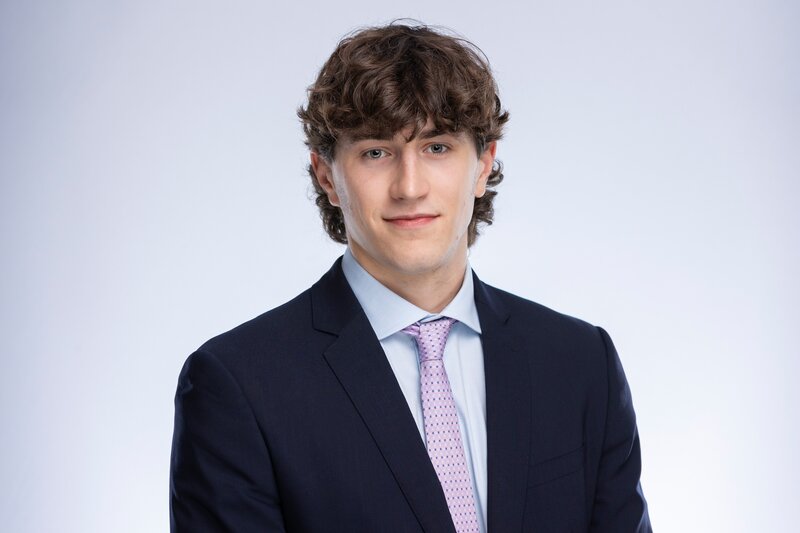
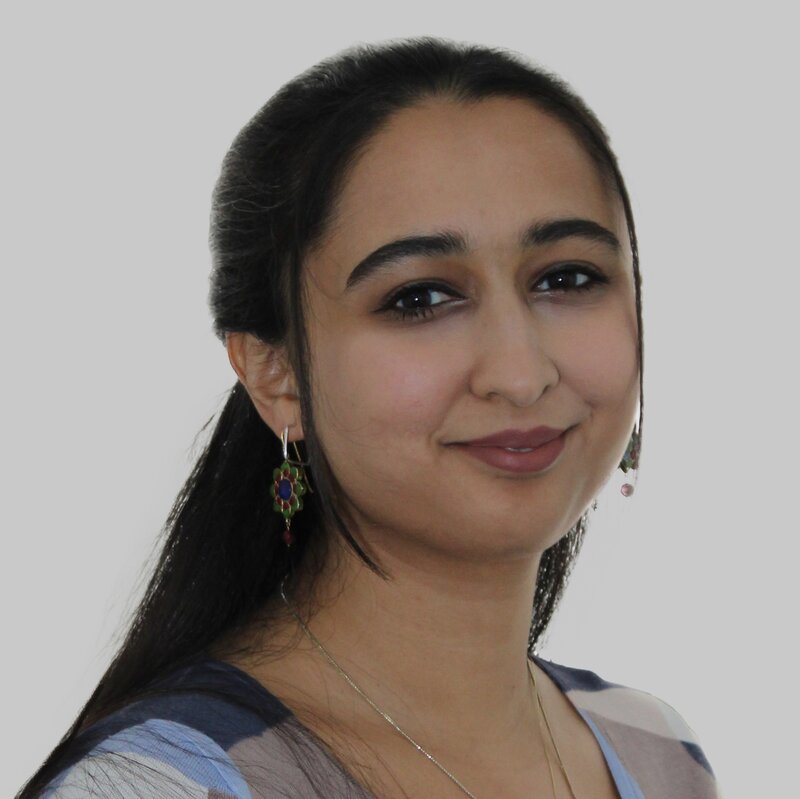
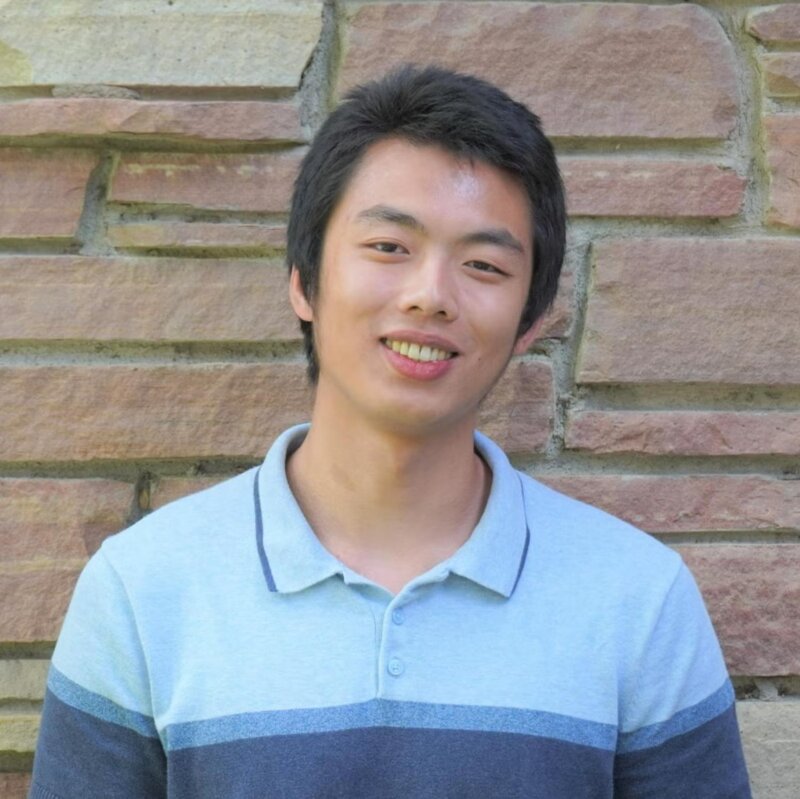

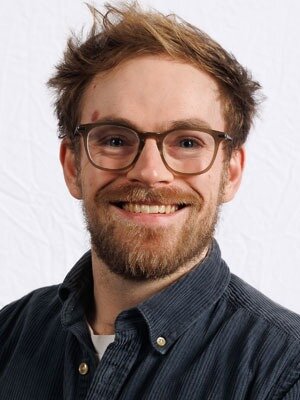

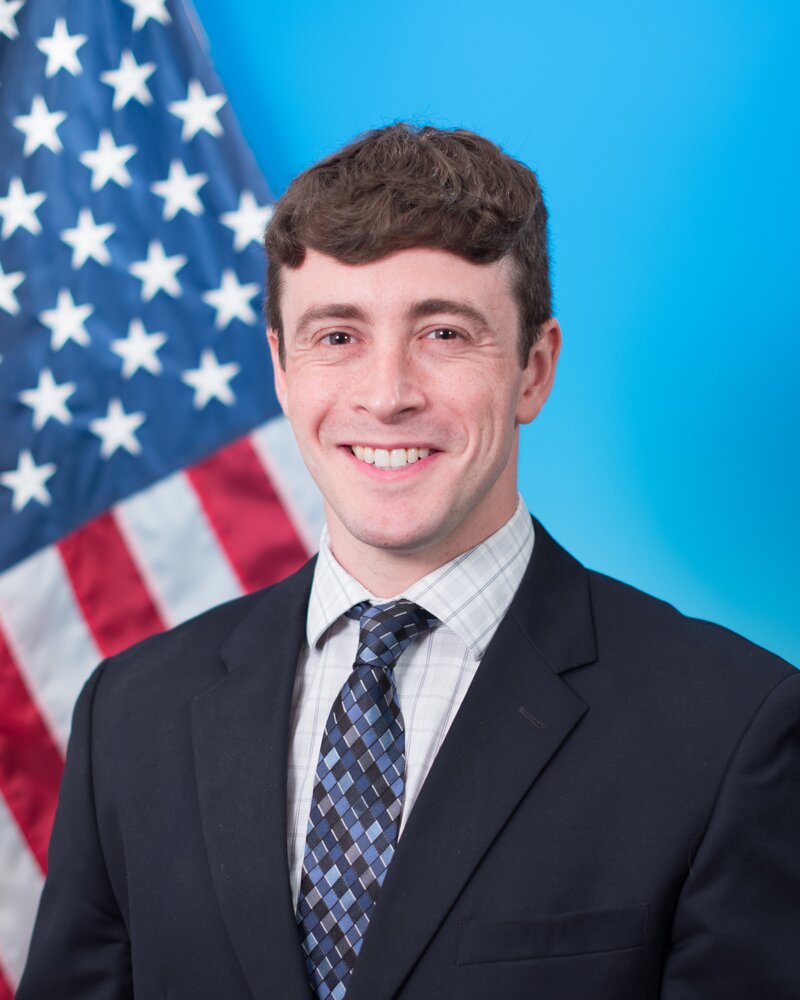
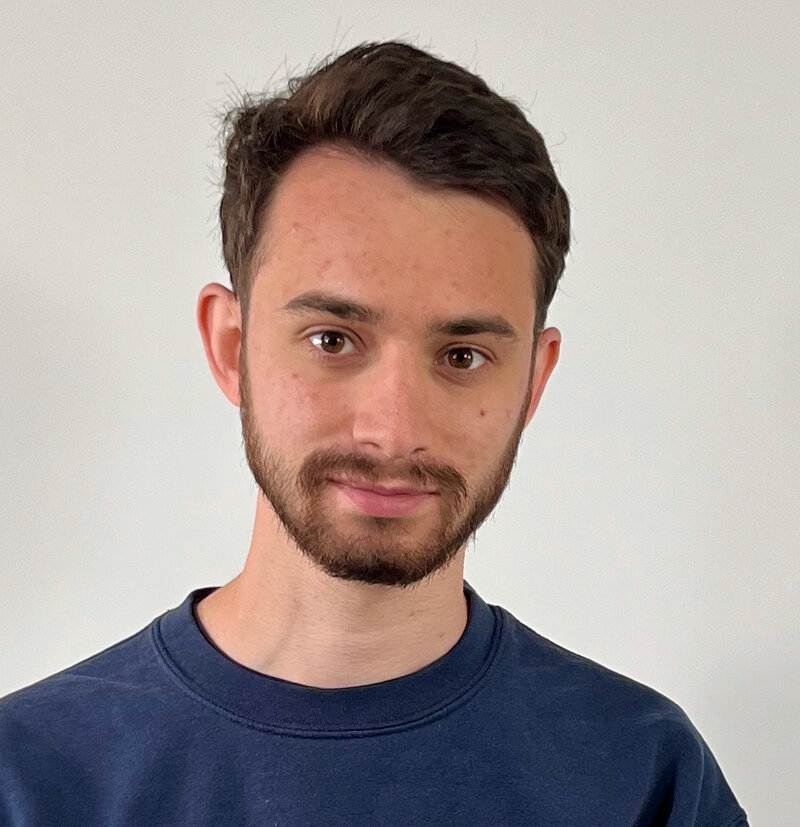
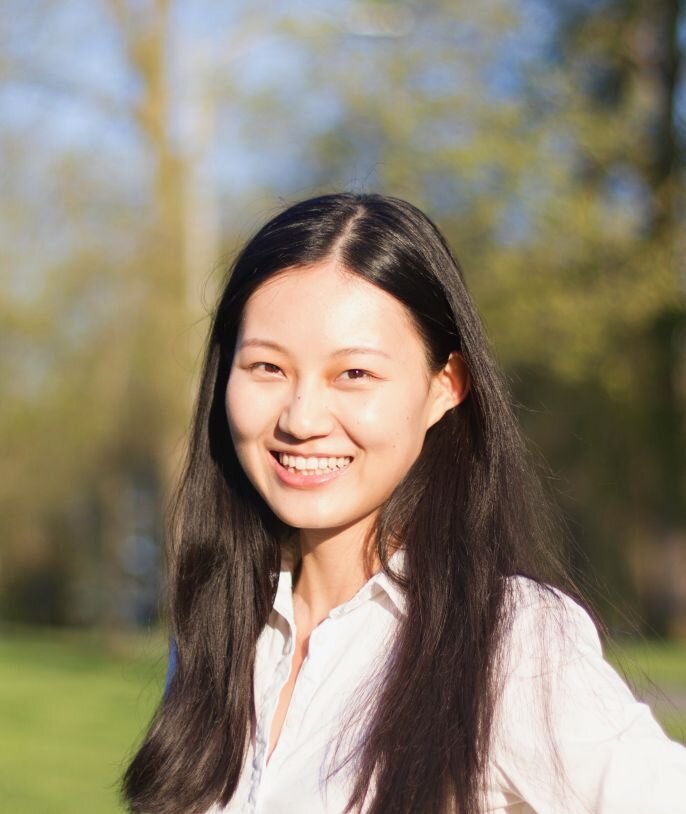

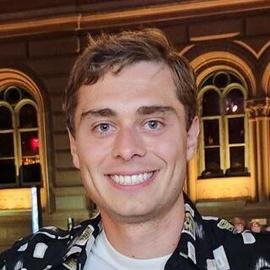
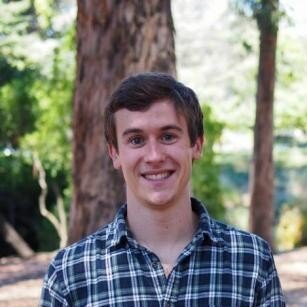

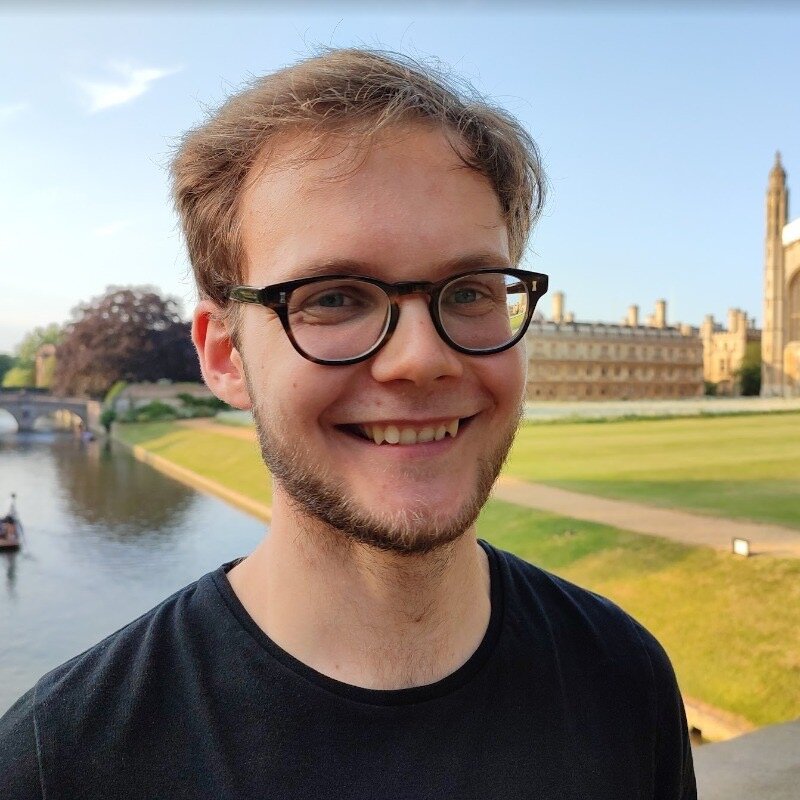

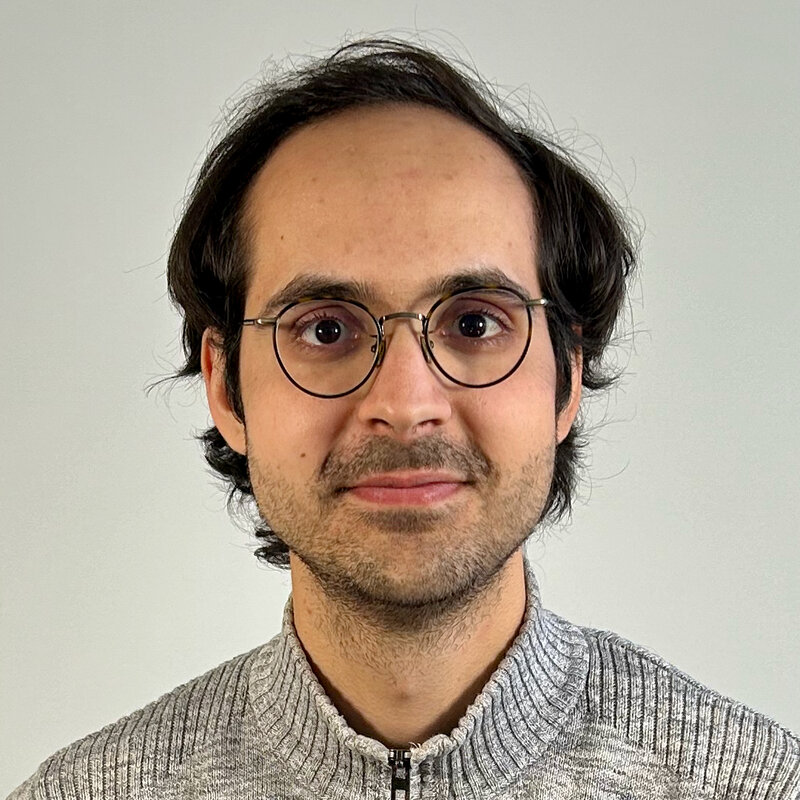


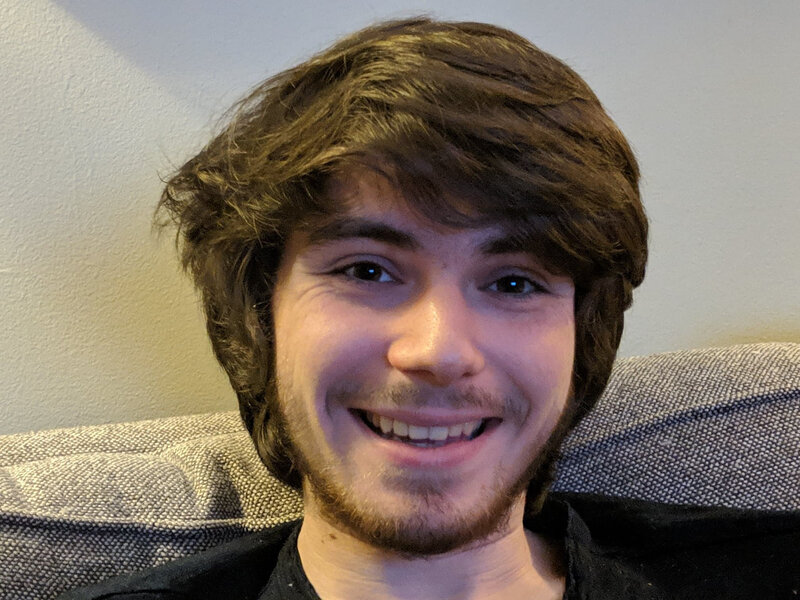
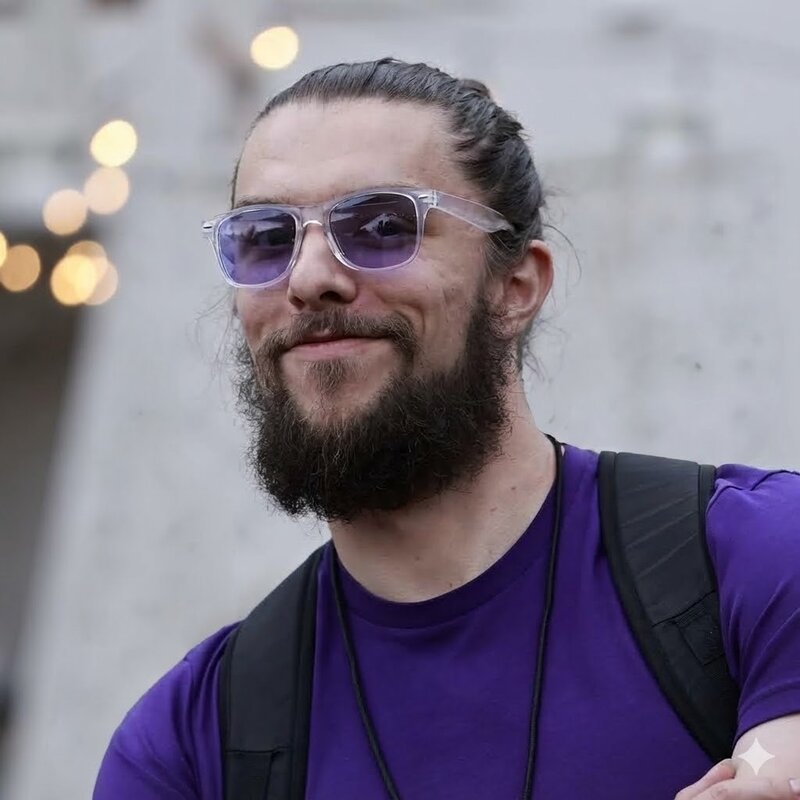
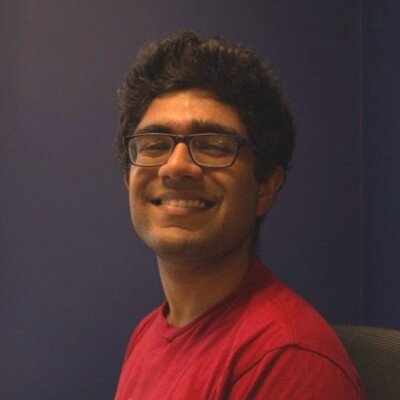
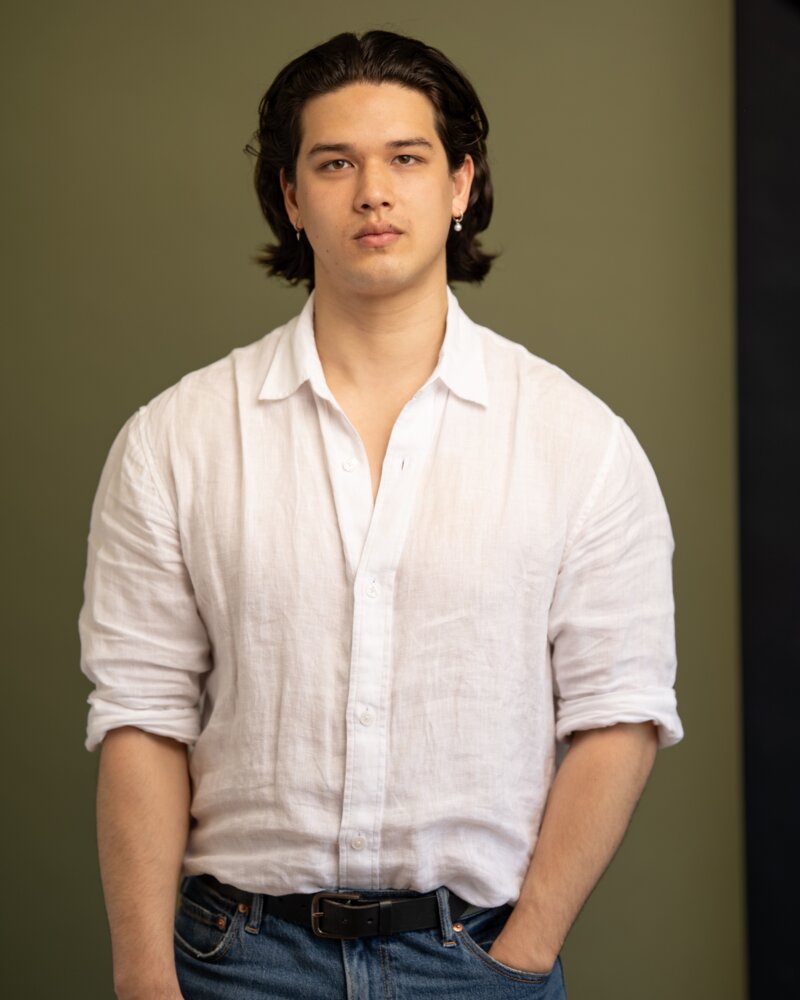
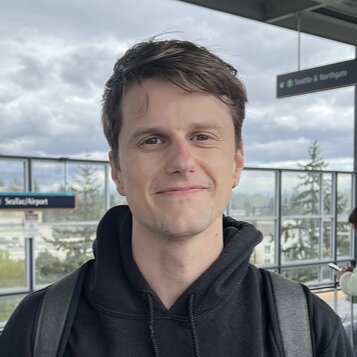

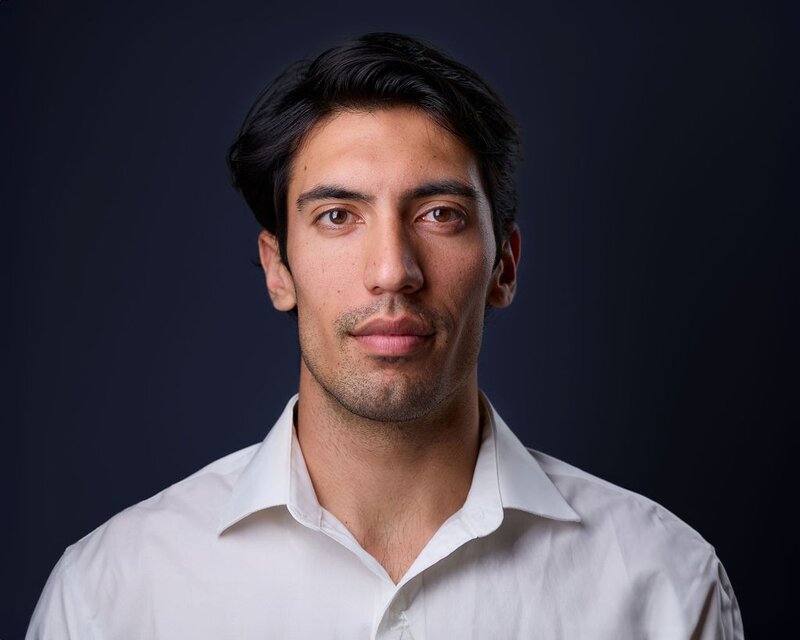
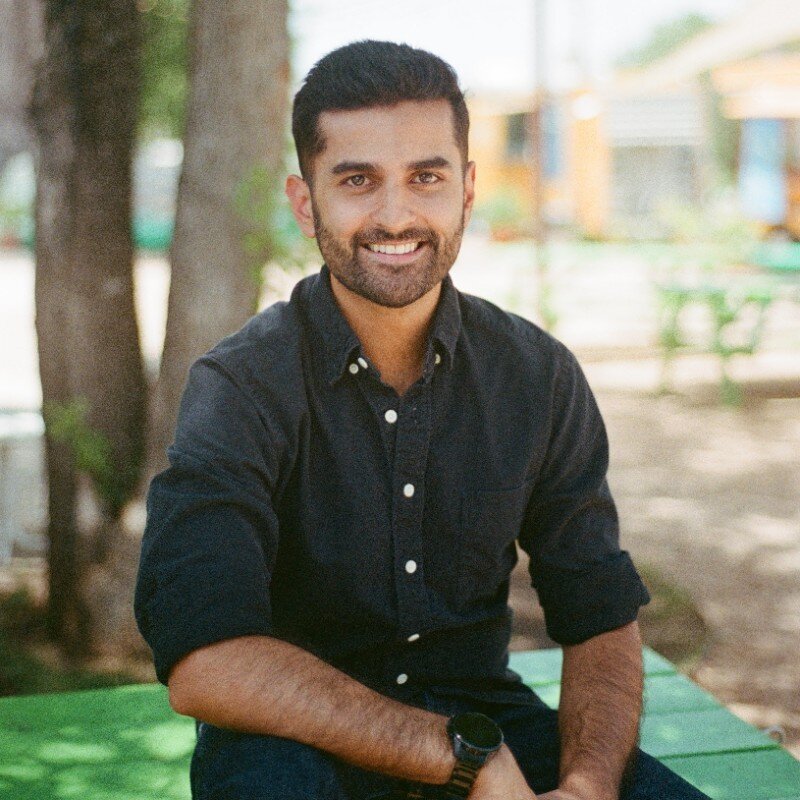
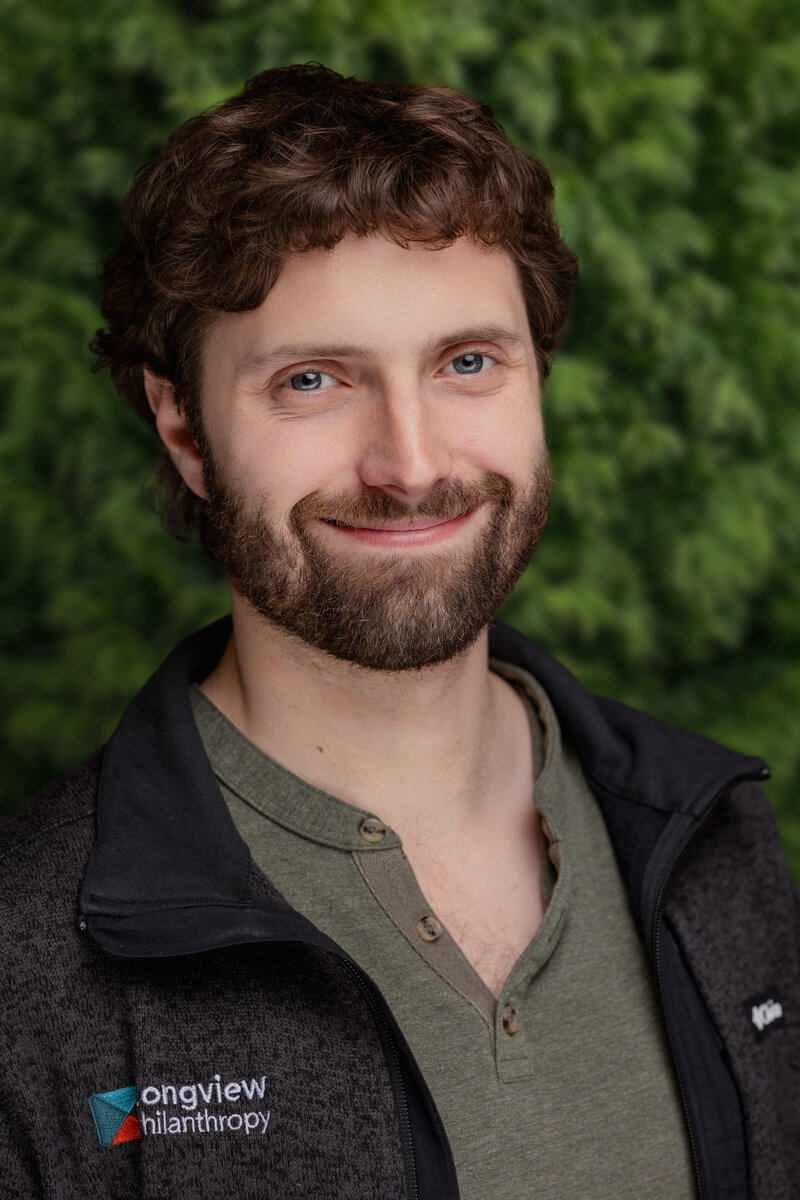
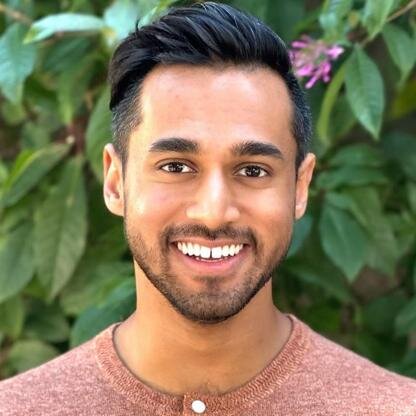
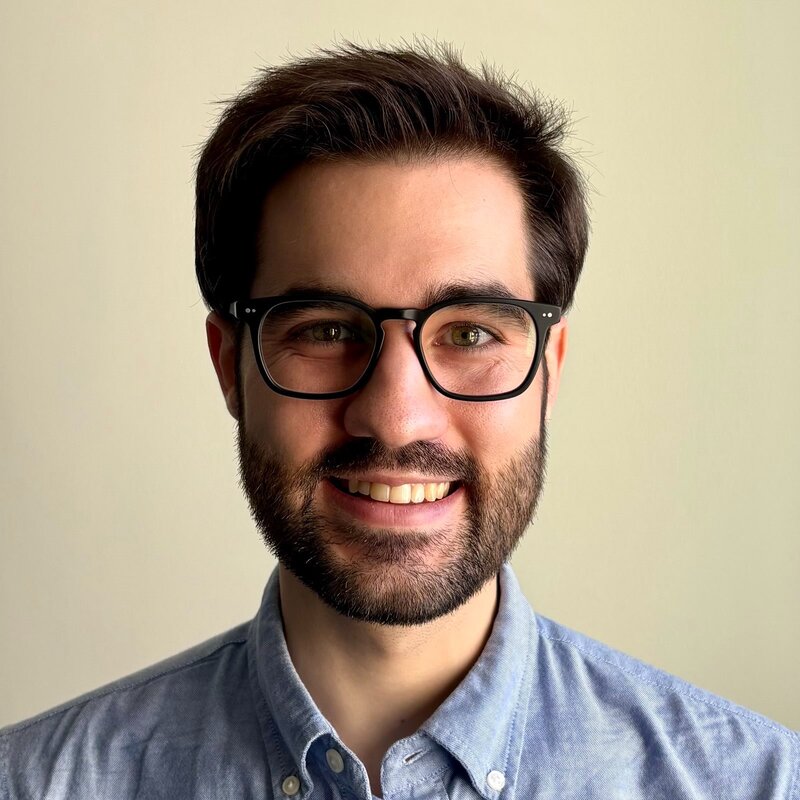

George Robinson is an independent researcher formerly at the Alignment Research Center (ARC), working on a systematic and theoretically grounded approach to mechanistic interpretability. He is now looking to lead a research effort in London supporting this agenda. Previously, he was a PhD student at Oxford University specialising in Algebraic Number Theory. He lives in London, and is a member of the London Initiative for Safe AI (LISA).
Zainab 是 Asymmetric Security 的联合创始人。此前,她曾在 Stroz Friedberg 担任网络安全分析师,调查了过去十年中一些影响重大的网络安全事件,例如 Cambridge Analytica 事件。她还曾在 NeurIPS 发表关于 AI 网络安全评估的研究。Zainab 拥有牛津大学物理学硕士学位。
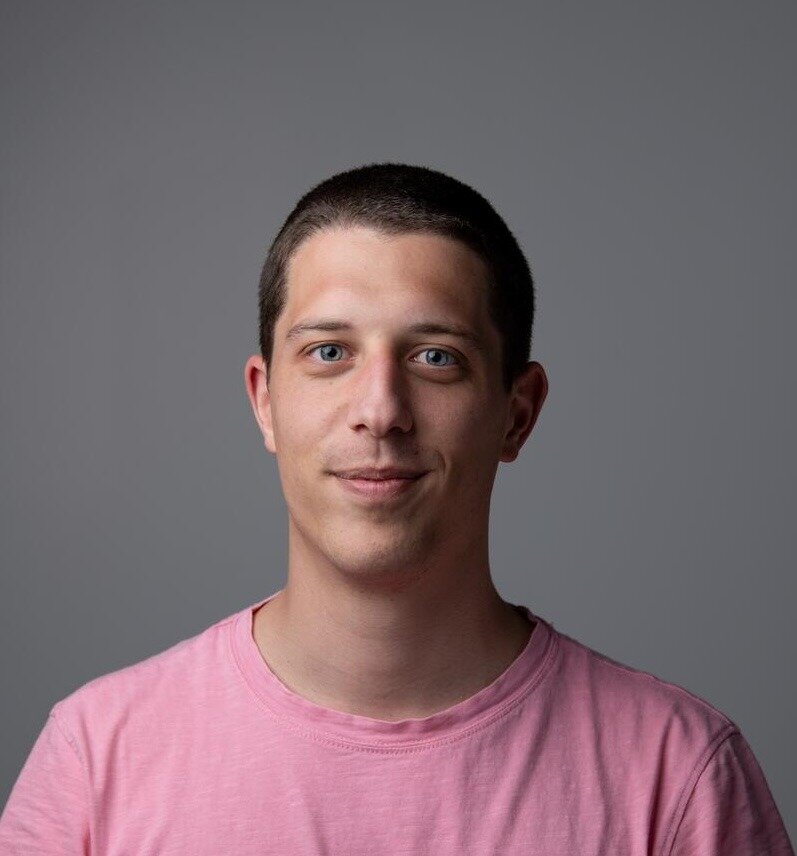
Damiano is a research scientist at LawZero, where he works on (i) the maths behind the Scientist AI and (ii) interpretability and evaluation techniques for situational awareness and introspection.
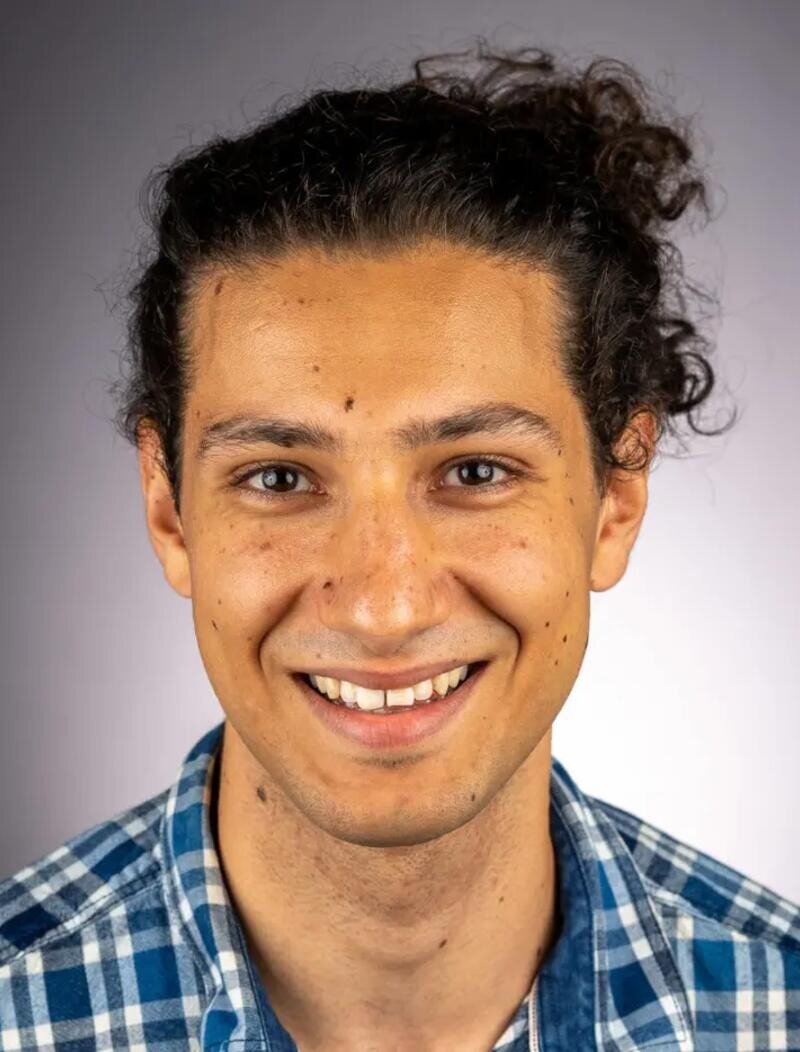
OIi(ver) is a computer scientist (a staff member at LawZero and postdoc under Yoshua Bengio) with unusually broad scientific and mathematical expertise.
He is a sucker for pretty demos and grand unifying theories—unfortunately, sometimes losing sight of what is practical. Over the last few years (i.e., during his PhD at Cornell), Oli has discovered a beautiful theory describing how a great deal of artificial intelligence, classical and modern, can be fruitfully understood as resolving a natural information-theoretic measure of epistemic inconsistency. There remain many unanswered questions, but the hope is that this already much clearer view can lead to powerful generalist AI systems that are safer because they fundamentally do not meaningfully have goals or desires.
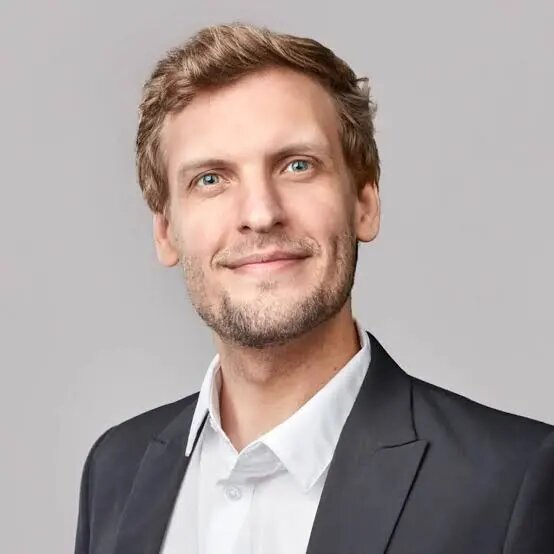
Kristian Rönn is the CEO and co-founder of Lucid Computing and a co-founder and board member of Normative. He has a background in mathematics, philosophy, computer science, and artificial intelligence. Before he started Normative, he worked at the University of Oxford’s Future of Humanity Institute on issues related to global catastrophic risks.

Sydney works on adversarial stress-testing at METR. She studied computational biology at Stanford and co-founded the Atlas Fellowship.
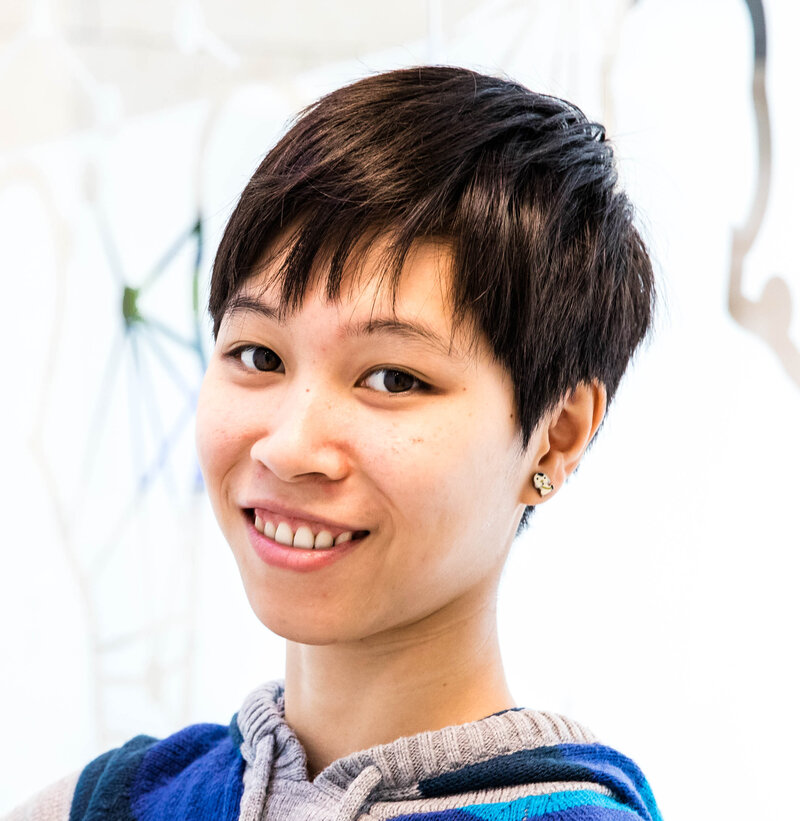
Mary is a research scientist on the Frontier Safety Loss of Control team at DeepMind, where she works on AGI control (security and monitoring). Her role involves helping make sure that potentially misaligned, internally deployed models cannot cause severe harm or sabotage, even if they wanted to. Previously, she has worked on dangerous capability evaluations for scheming precursor capabilities (stealth and situational awareness) as well as catastrophic misuse capabilities.
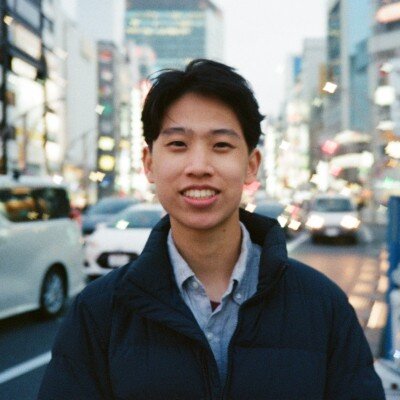
Miles Wang is a researcher at OpenAI whose interests span alignment, evaluations, reasoning, and science. Wang studied computer science at Harvard before joining OpenAI in March 2024.
Arthur Conmy is a Member of Technical Staff at Anthropic. His interests are in automating interpretability, finding circuits and making model internals techniques useful for AI Safety, particularly with Sparse Autoencoders. Previously, he worked at Google DeepMind and Redwood Research (and did the MATS Program!).
I like to make computers do interesting things, deeply understand concepts and build interesting, useful tools. I’m currently thinking about AI alignment, control, and evaluations, and work with frontier models at METR.
Recent work I've done involves [MALT](https://metr.org/blog/2025-10-14-malt-dataset-of-natural-and-prompted-behaviors/), [training models to fool monitors in QA settings](https://metr.org/notes/2025-10-06-early-results-on-monitorability-in-qa-settings/) and [RE-Bench](https://metr.org/blog/2024-11-22-evaluating-r-d-capabilities-of-llms/).
I've previously worked at Stripe and CSM, and did a concurrent BSc/MSc in Computer Science at Brown.