MATS mentors are advancing the frontiers of AI alignment, transparency, and security
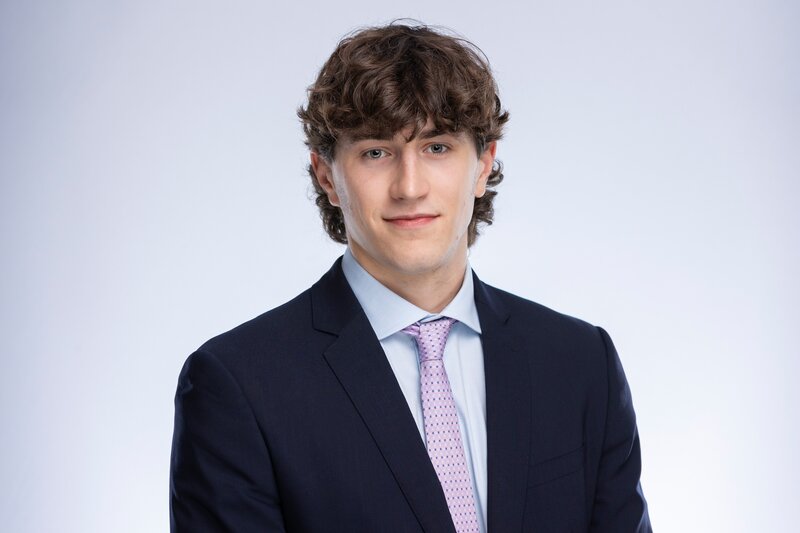
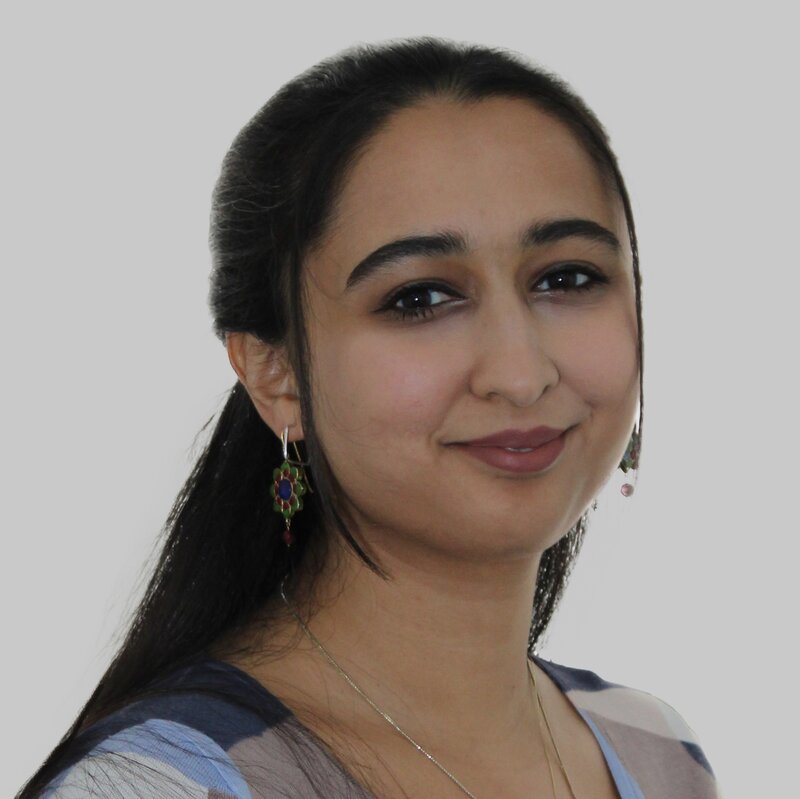
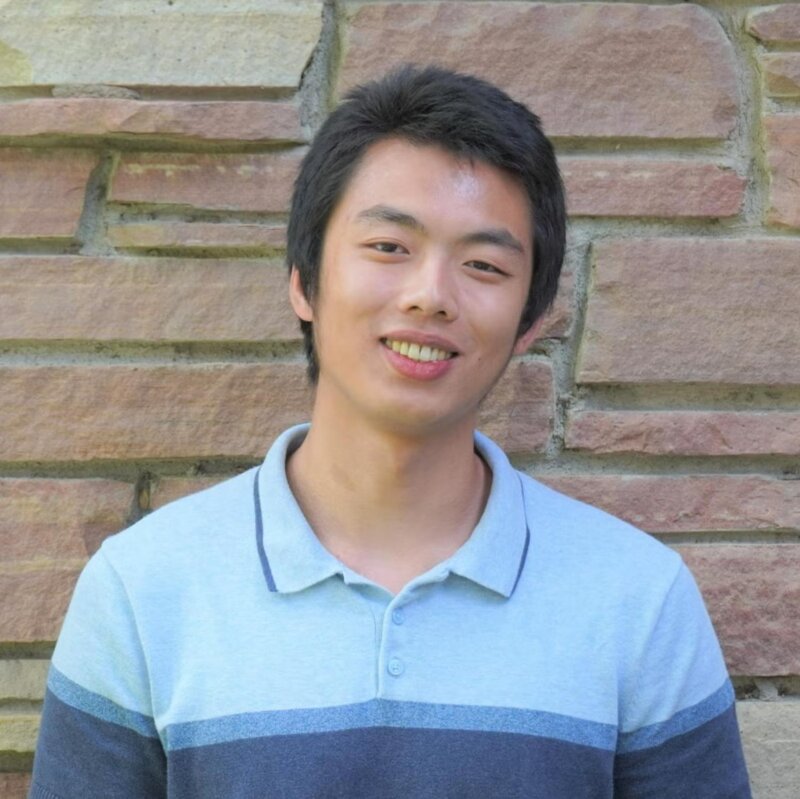


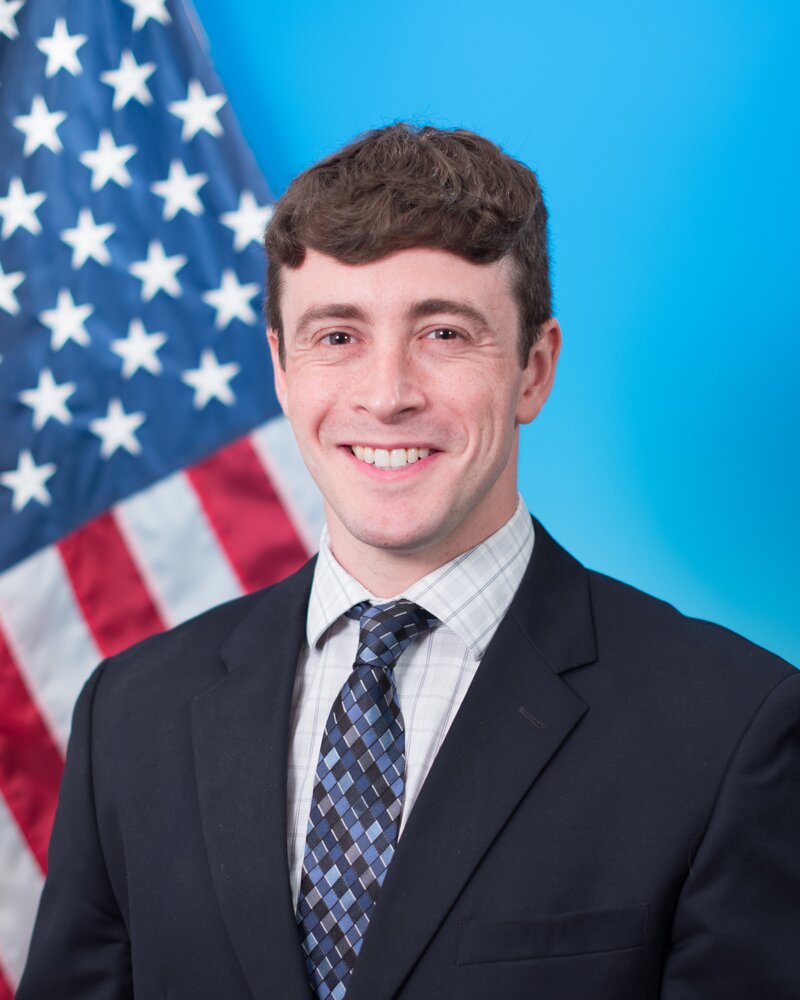
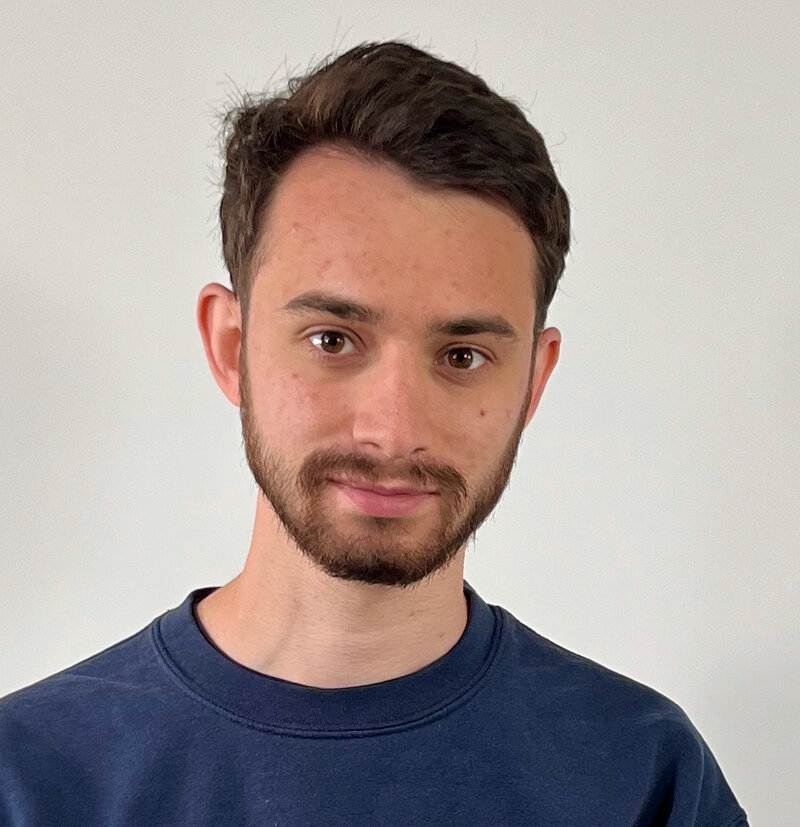
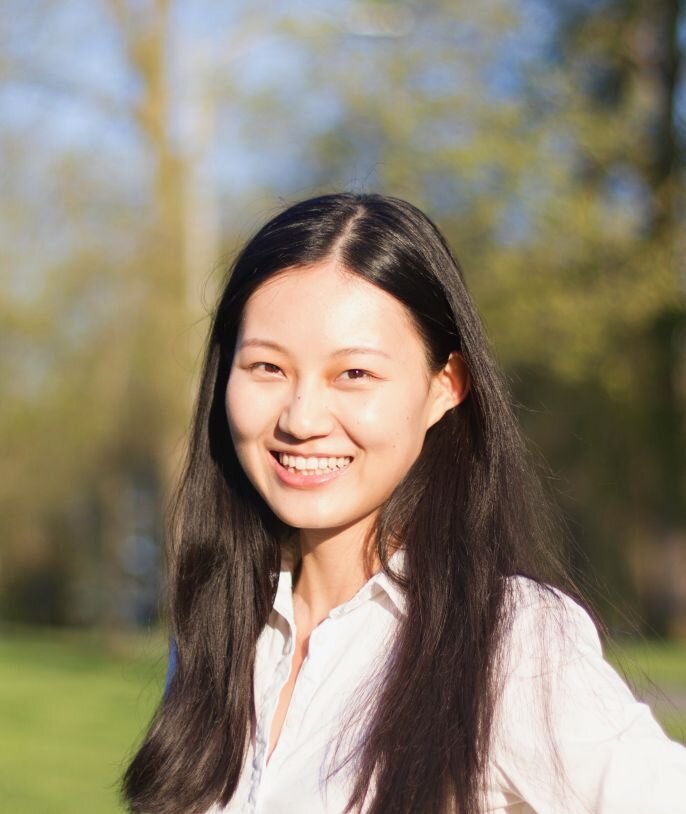

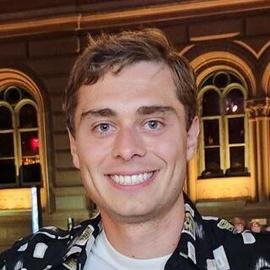
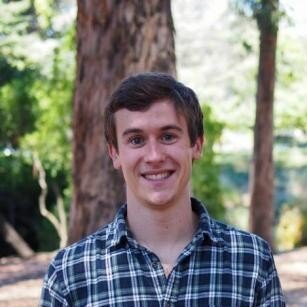

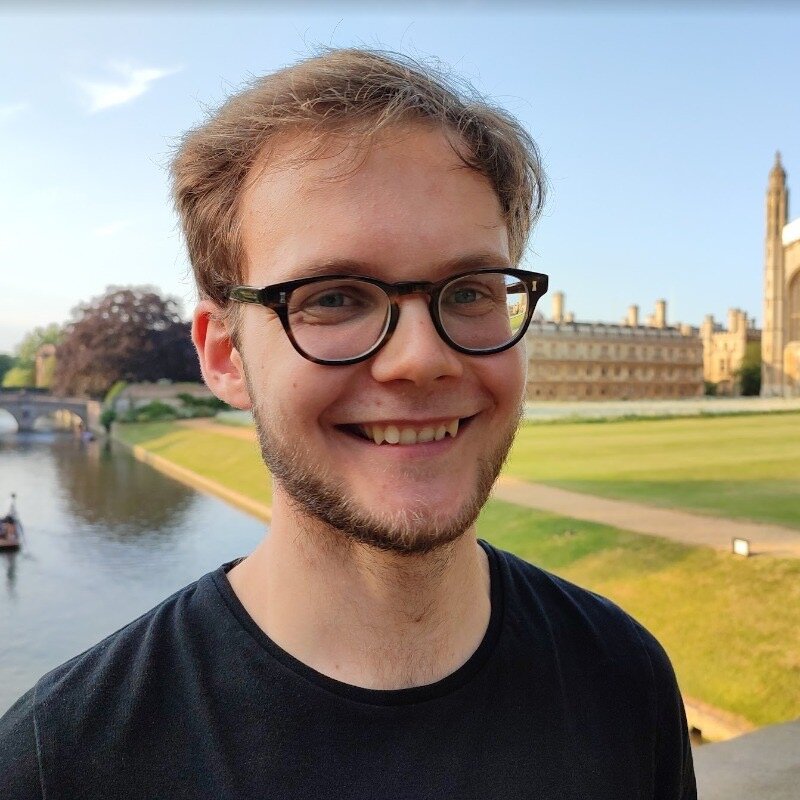

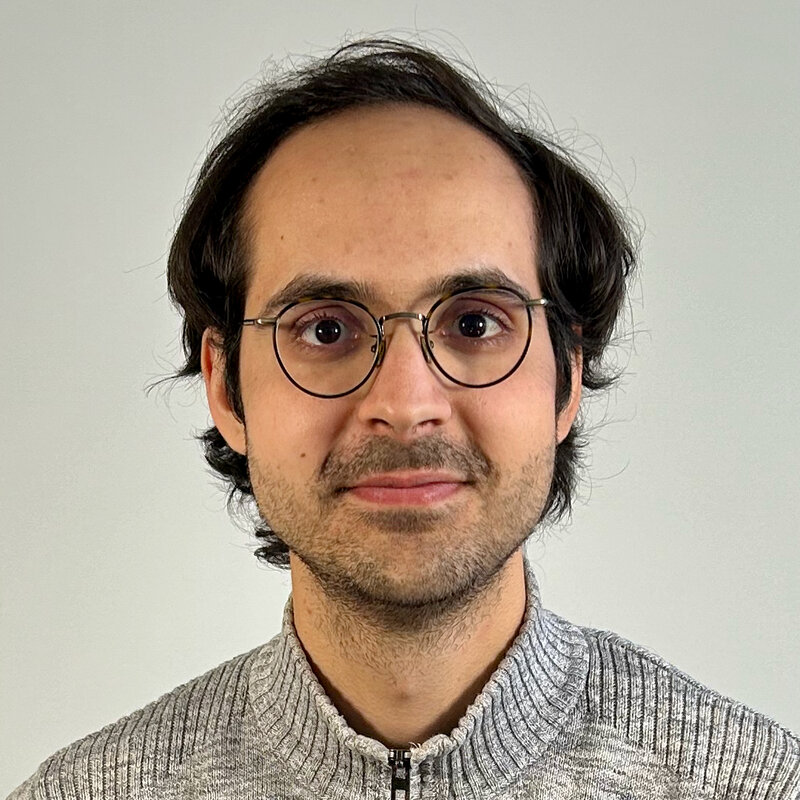


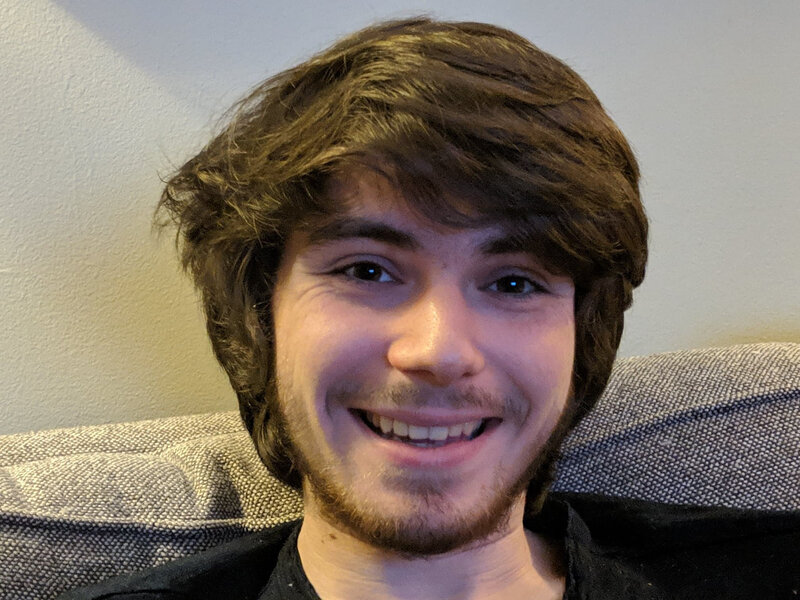
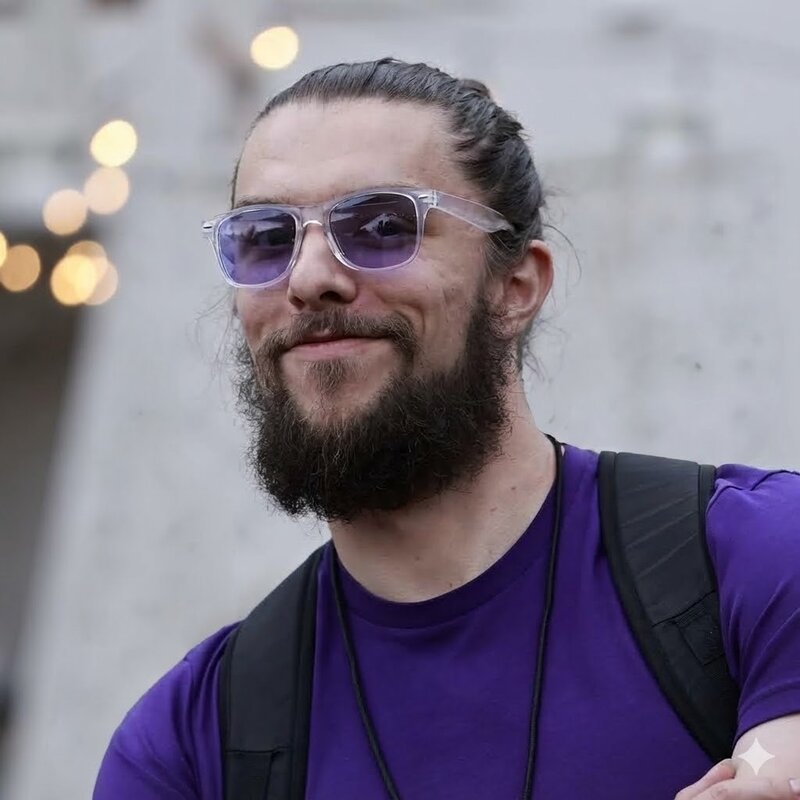
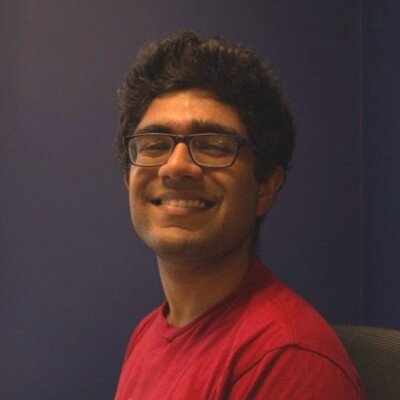

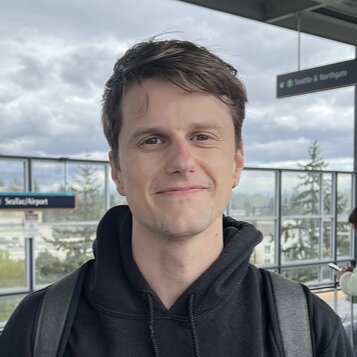

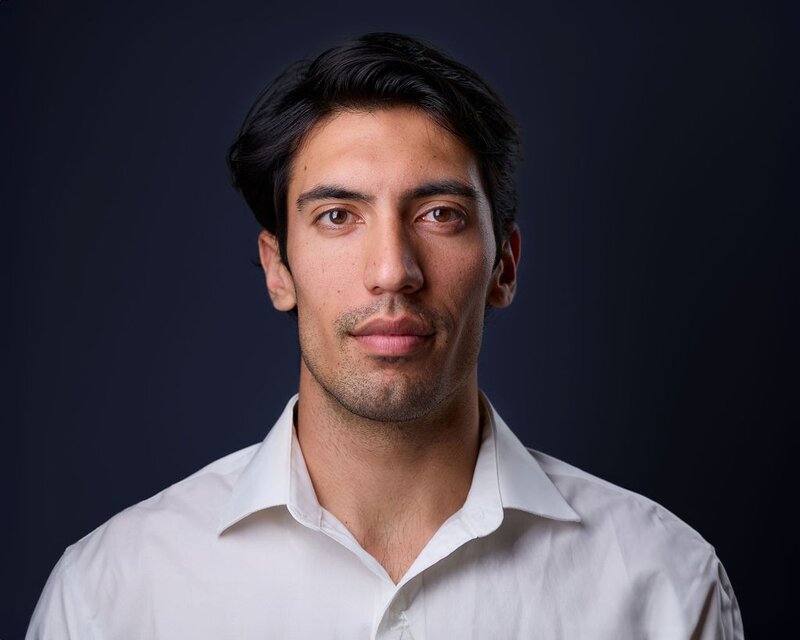
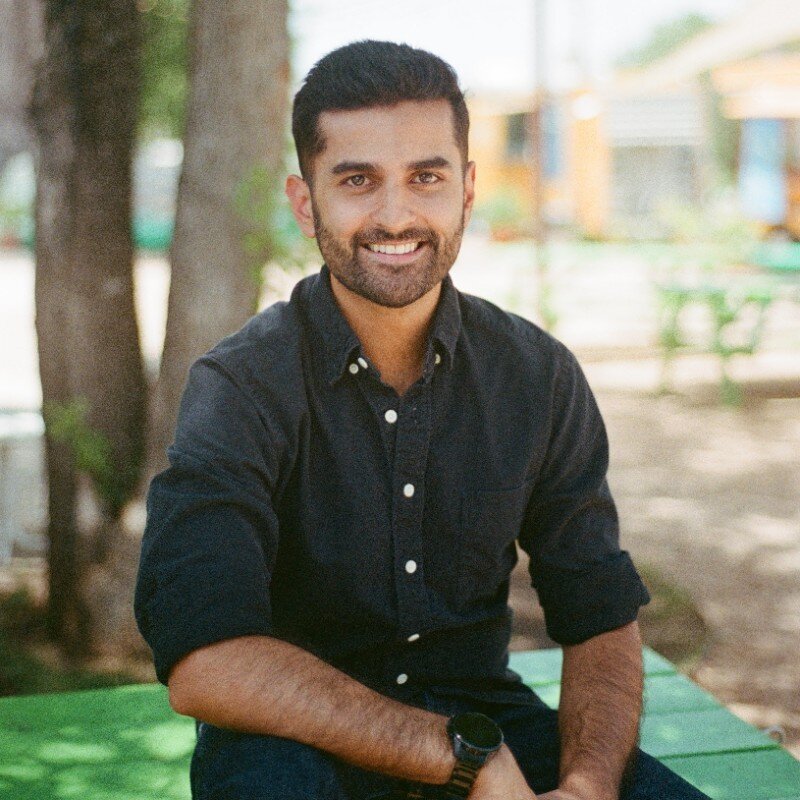
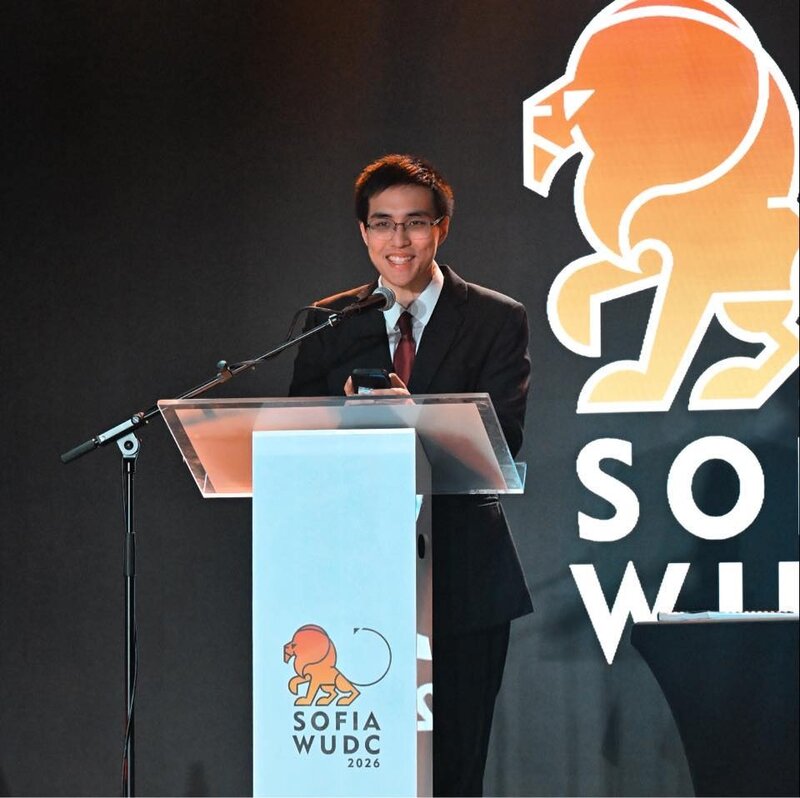
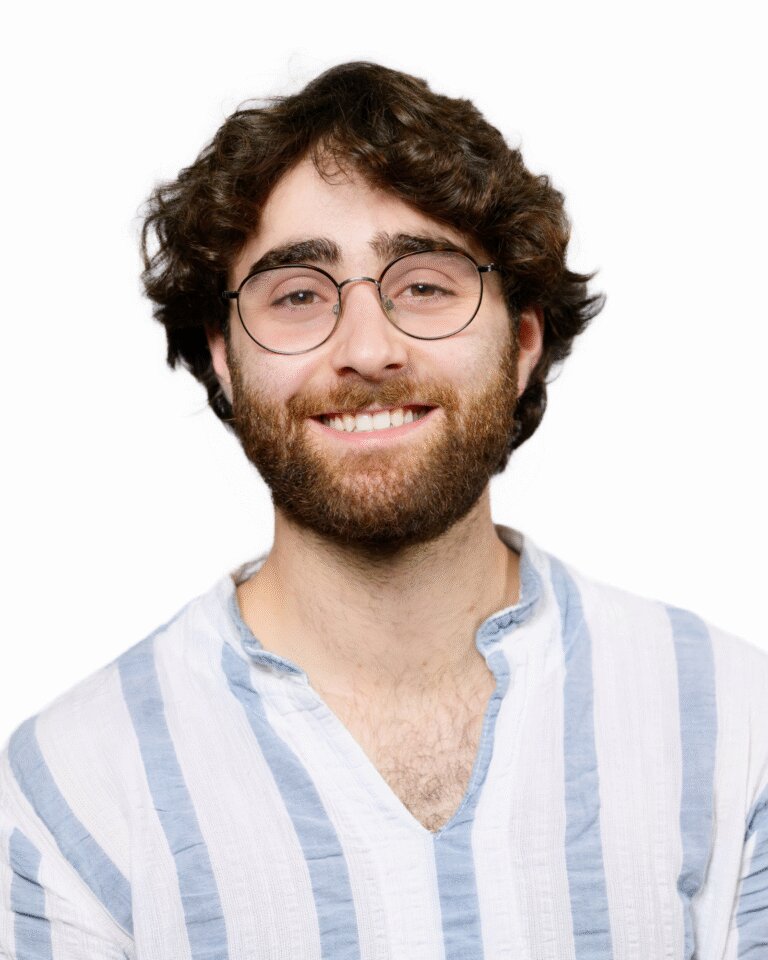
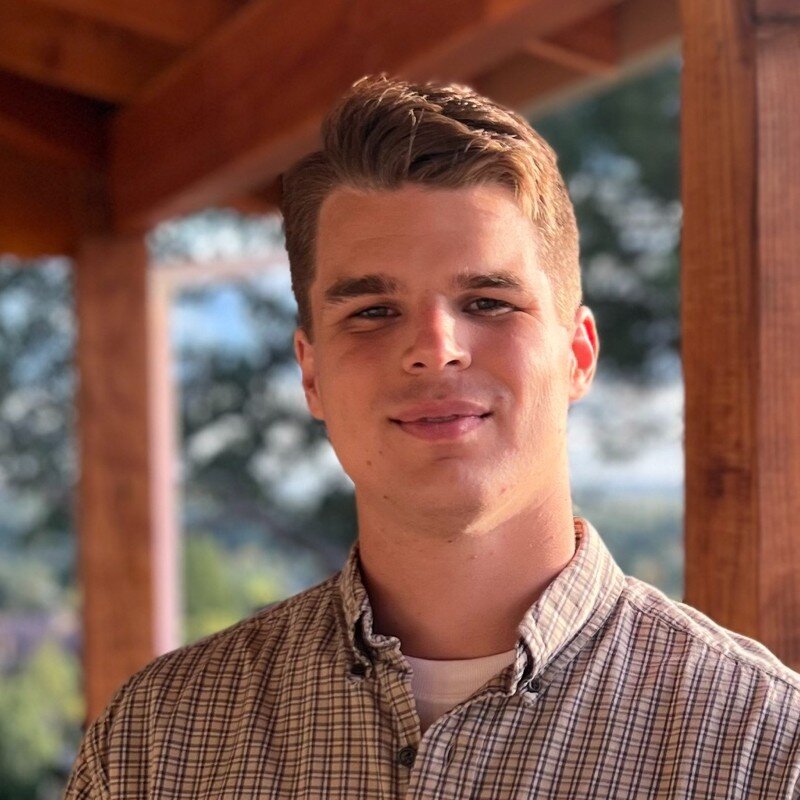
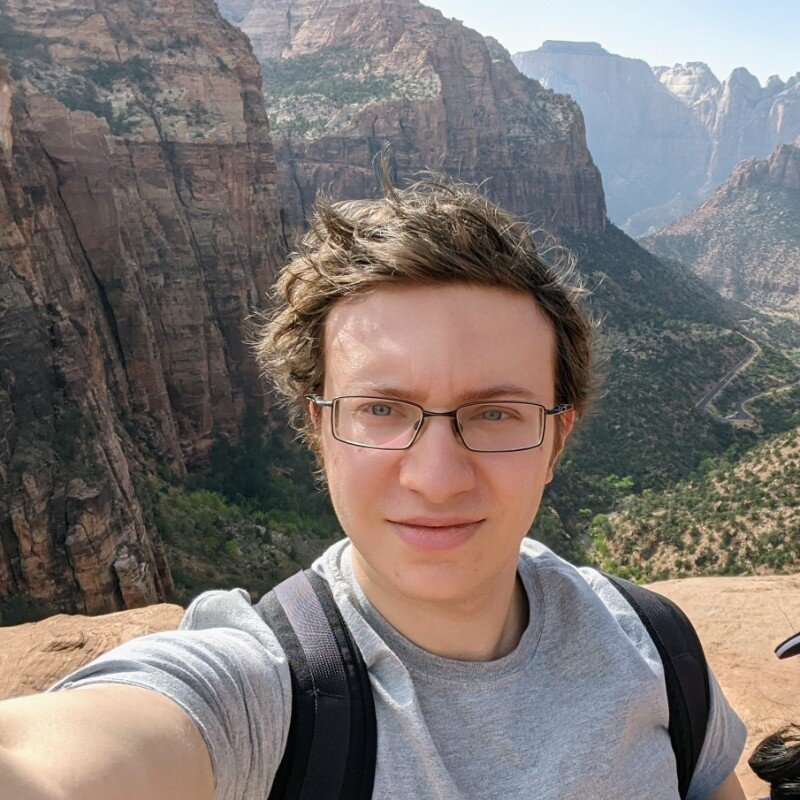
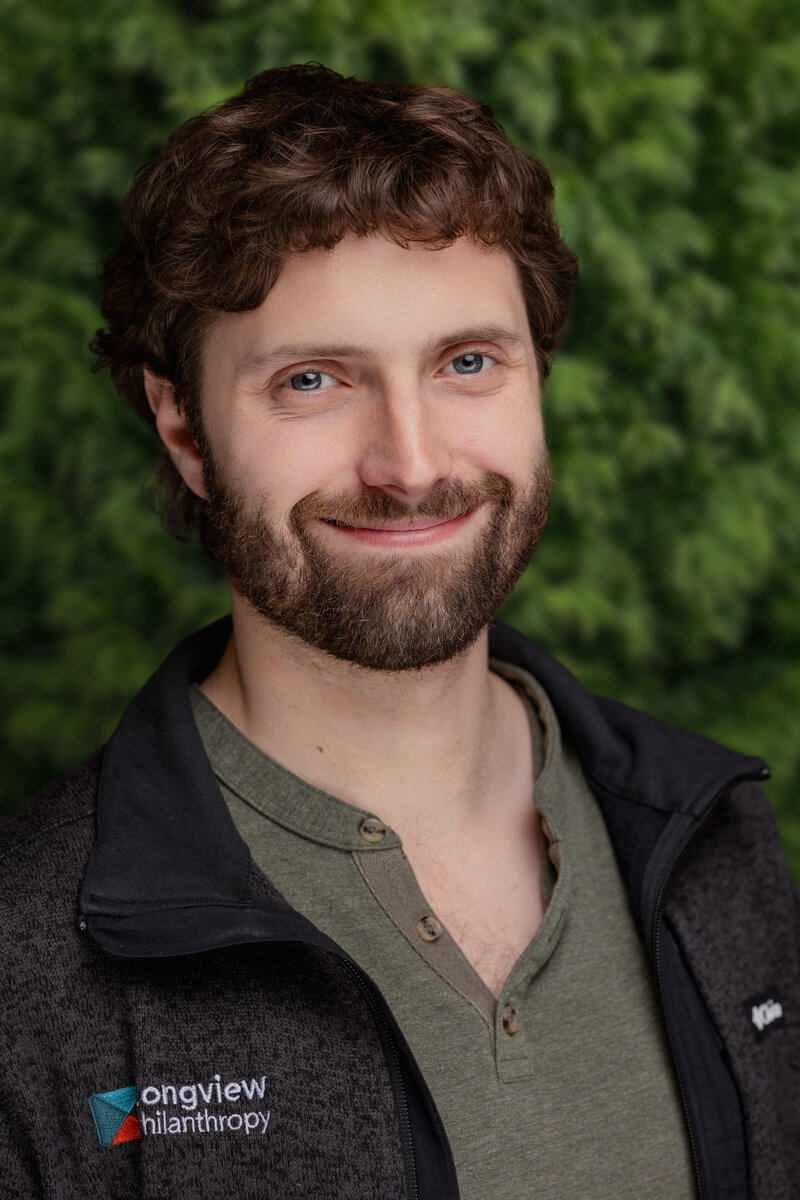
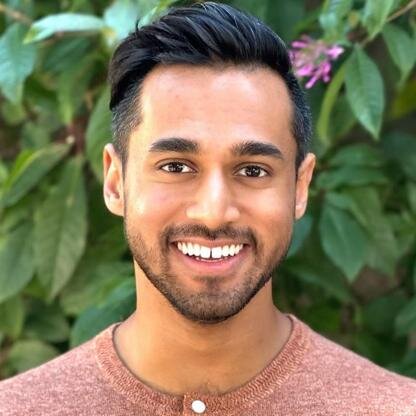
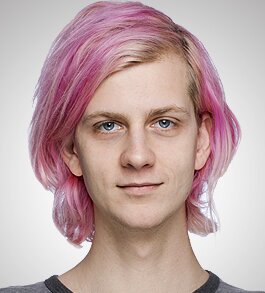
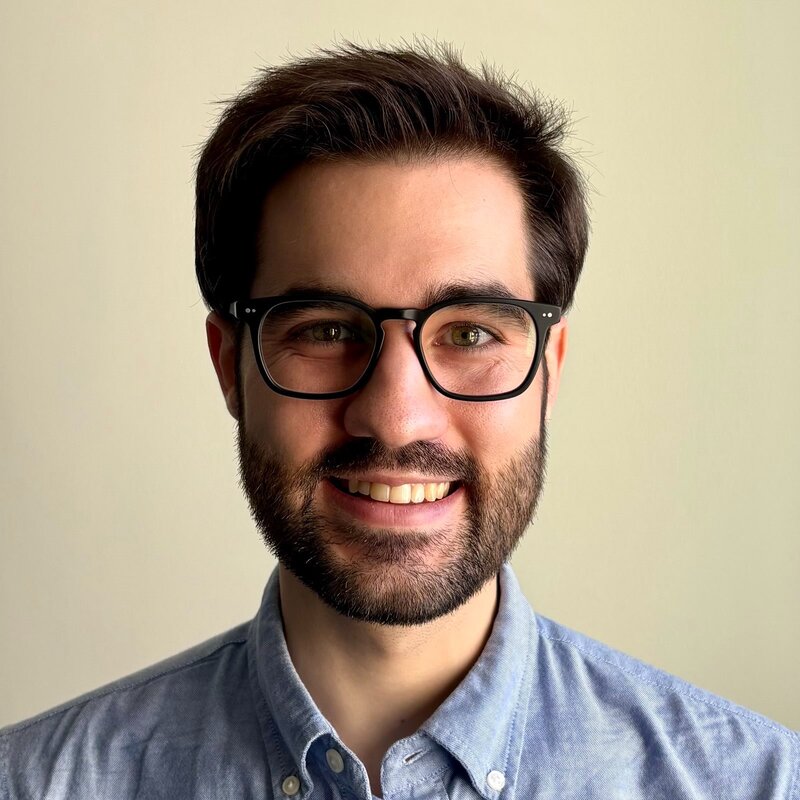
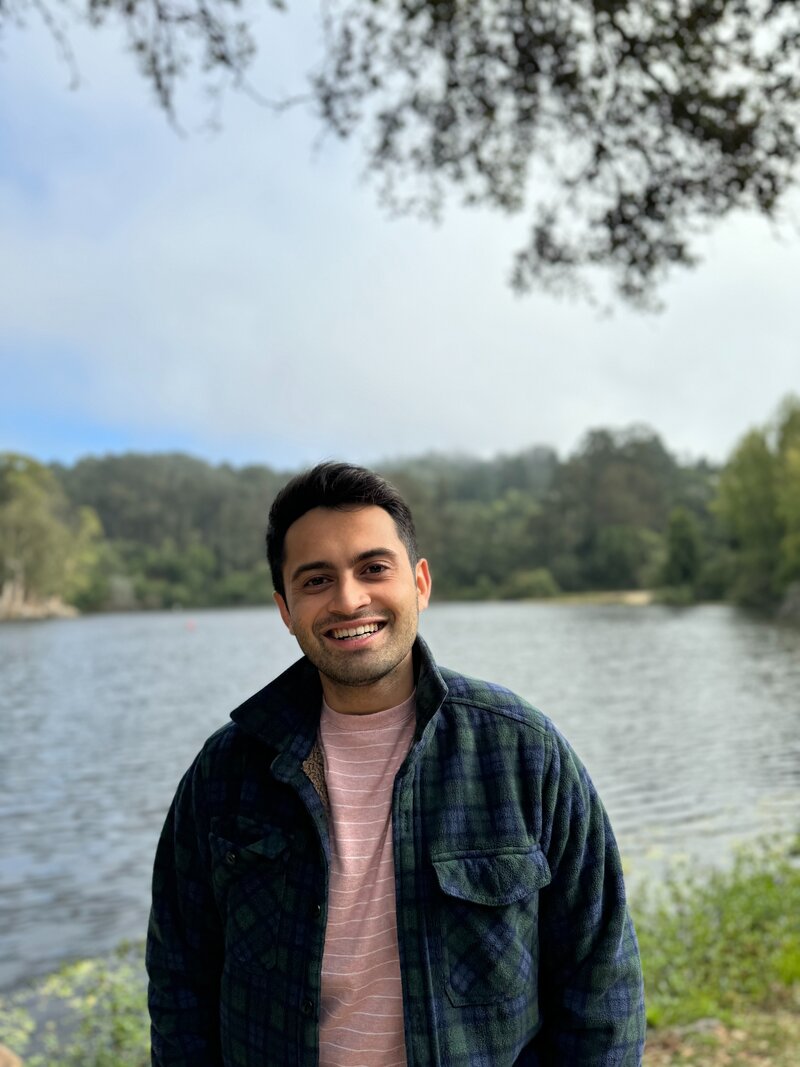

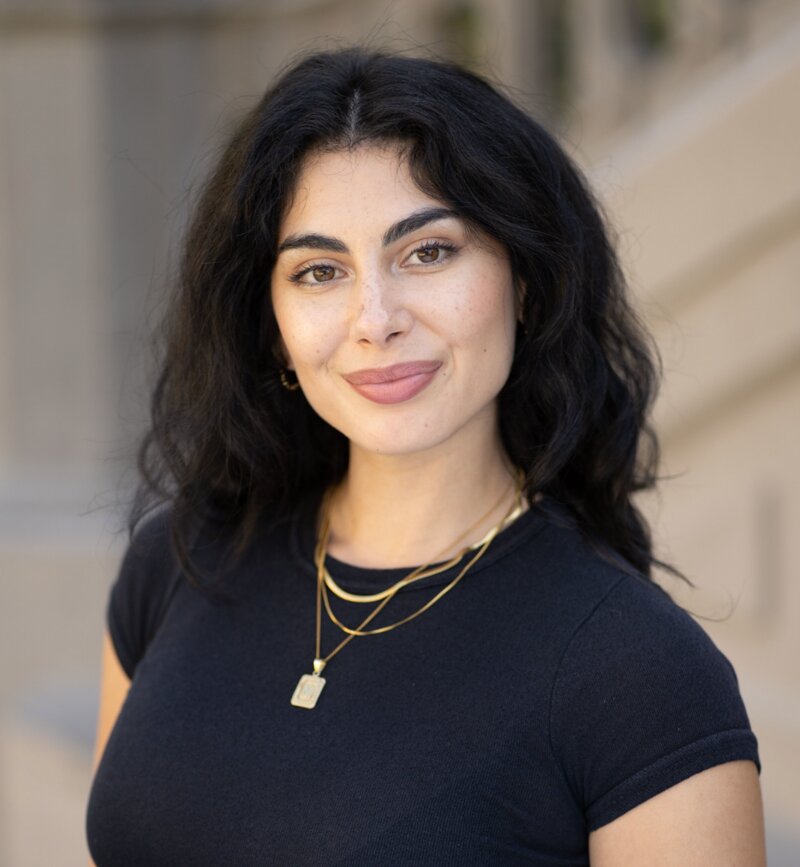

Giorgi Giglemiani works at the UK AI Security Institute and coauthored Boundary Point Jailbreaking. Previously, Giglemiani researched synthetic activations composed of sparse-autoencoder latents at LASR Labs.

Victor Lecomte is a researcher at the Alignment Research Center (ARC), which is working on a systematic and theoretically grounded approach to mechanistic interpretability. He holds a PhD from Stanford University, where he did research in computational complexity and other areas of theoretical computer science before pivoting to AI safety research.
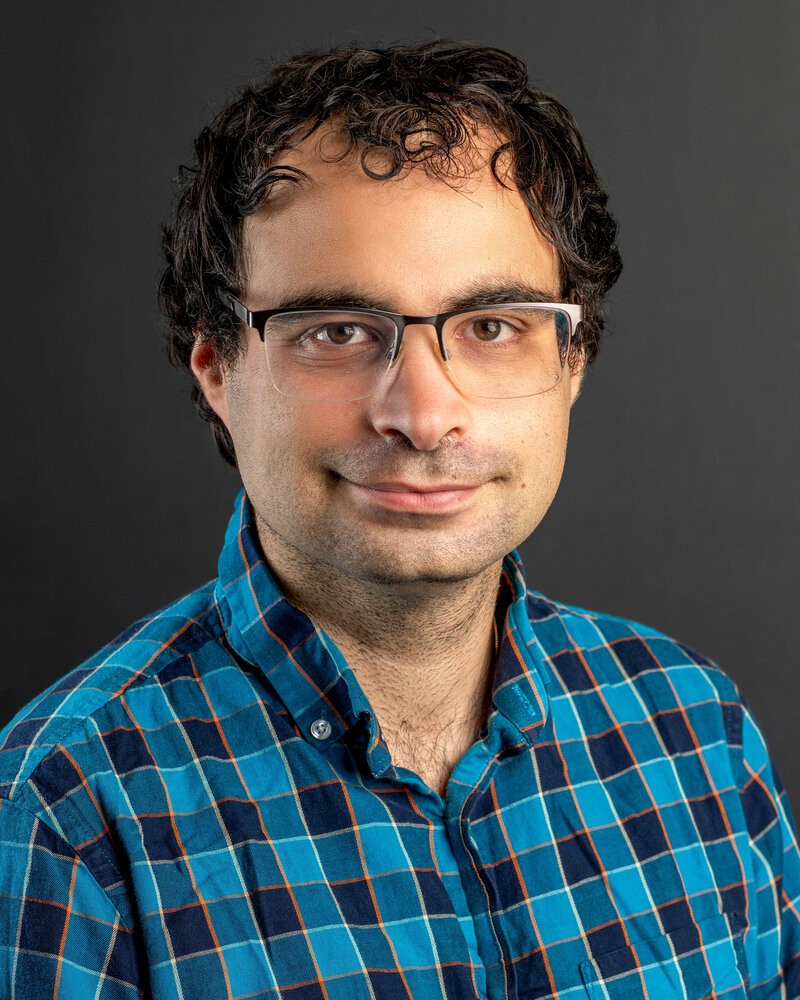
Mike Winer is a researcher at the Alignment Research Center (ARC), where he studies how mechanistic estimates can beat black-box techniques in toy setups. His background is in statistical physics, where he studies how many objects obeying simple rules can exhibit complex behaviors like magnetism, glassiness, or scoring 87% on GPQA.

Isabella is a Senior Researcher at the Safe AI Forum, where she works on U.S.–China coordination on frontier AI safety. Her research focuses on technical governance, particularly building consensus and advancing dialogue on loss-of-control and extreme-misuse risks, with recent work spanning technical misuse safeguards, AI control playbook, and misalignment incidents. She holds an MA in Computational Social Science from the University of Chicago and a BS in Philosophy, Politics, and Economics from University College London.
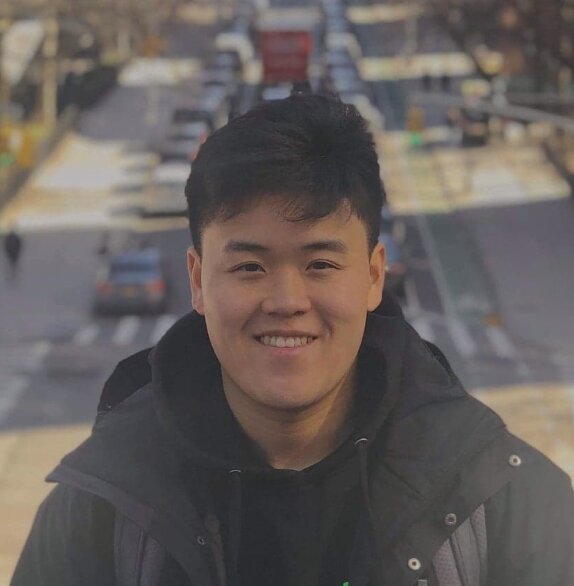
Dylan is a safety researcher at OpenAI, where he works on curating better/safer training data and monitoring models for harmful behavior.
Before that, he completed a PhD in the Machine Learning Department at CMU.
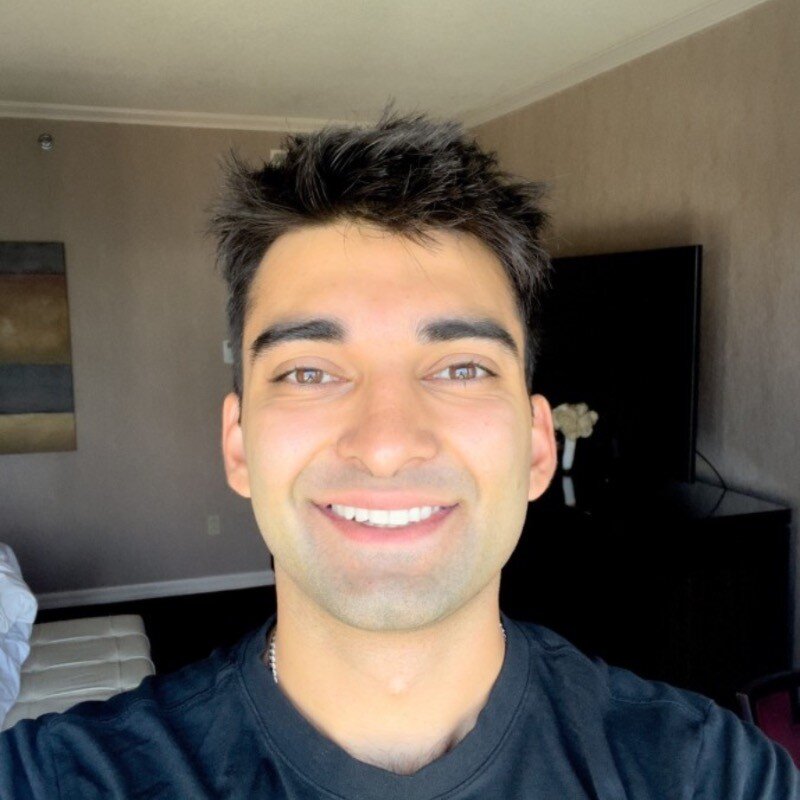
Hani is a software engineer at OpenAI.
Byron Cohen is an AI and Biosecurity Research Resident at RAND, where he works on AI-biosecurity risk assessment and policy research. Previously, he served as a biosecurity advisor at DARPA’s Biological Technologies Office, where he advised on biosurveillance, attribution, epidemiological modeling, and AI:bio uplift risk. Before that, he served as Advisor for Interagency R&D Oversight at the White House Office of Pandemic Preparedness and Response Policy (OPPR). An epidemiologist by training, he holds a PhD in population health sciences from Harvard University, and has conducted peer-reviewed epidemiological modeling research on biosafety and global health security.
Isak is a Member of Technical Staff at OpenAI. Previously a Software Engineer at Google, he worked on applications of computer vision, natural language processing, and LLMs.
Isak earned a Master of Computer Science at Carnegie Mellon University, with published work in natural language processing, style transfer, multilingual grapheme-to-phoneme modeling, and computer vision.
Bijan is a Technical Program Manager at OpenAI. He previously worked as a research engineer at Scale AI, where he coauthored work on LLM jailbreaking and red-teaming workflows.
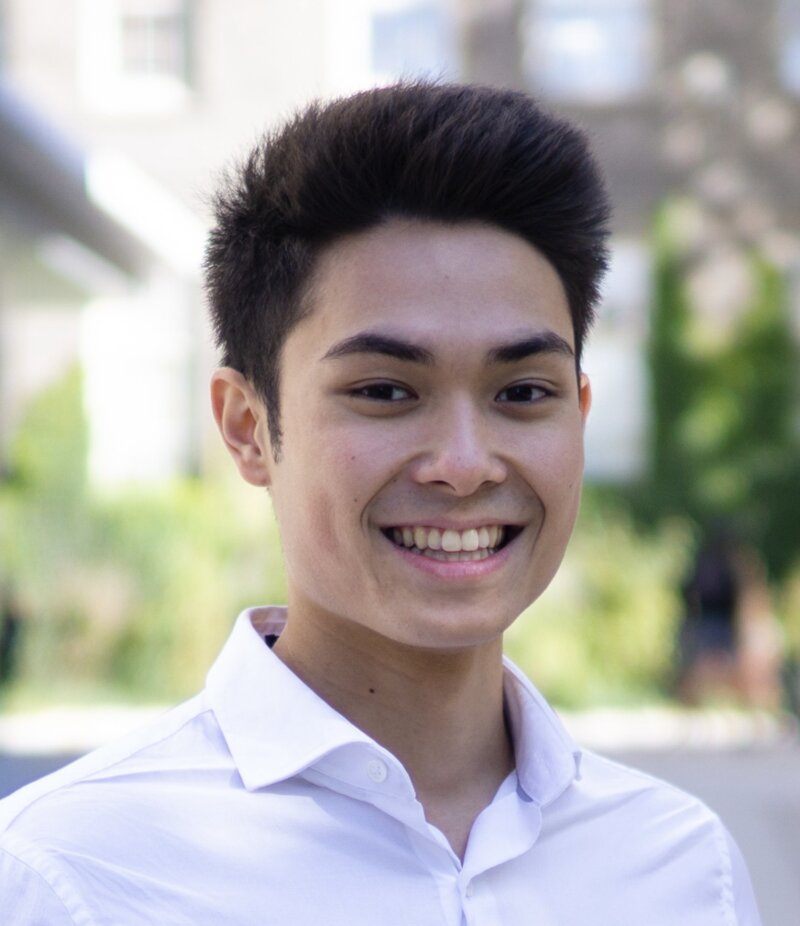
My focus these days is on adversarial machine learning: safety, security, and alignment of frontier models. I am particularly interested in alignment/safety RL and evaluations. In the past, I studied memorization, privacy, and security harms in language modelling, including auditing for risks and mitigating them. I've also worked on DP training algorithms, unlearning, collaborative learning approaches, and methods for ownership-verification.